As we navigate through 2026, the global fitness equipment industry faces an unprecedented set of supply chain challenges. From fluctuating shipping lanes to shifting raw material costs, the ability to maintain Supply Chain Resilience has become a defining factor for successful B2B importers. At YK Fitness, we are committed to helping our wholesale partners implement smart inventory strategies that mitigate risk and ensure consistent product availability.
1. The Shift from Just-in-Time to Just-in-Case
For decades, the fitness industry relied on the “Just-in-Time” (JIT) inventory model. However, the disruptions of the mid-2020s proved that JIT is highly vulnerable to external shocks. In 2026, leading B2B wholesalers are transitioning to a “Just-in-Case” (JIC) model. This involves maintaining a strategic buffer of high-demand items like Professional Pilates Bars and heavy-duty resistance bands.
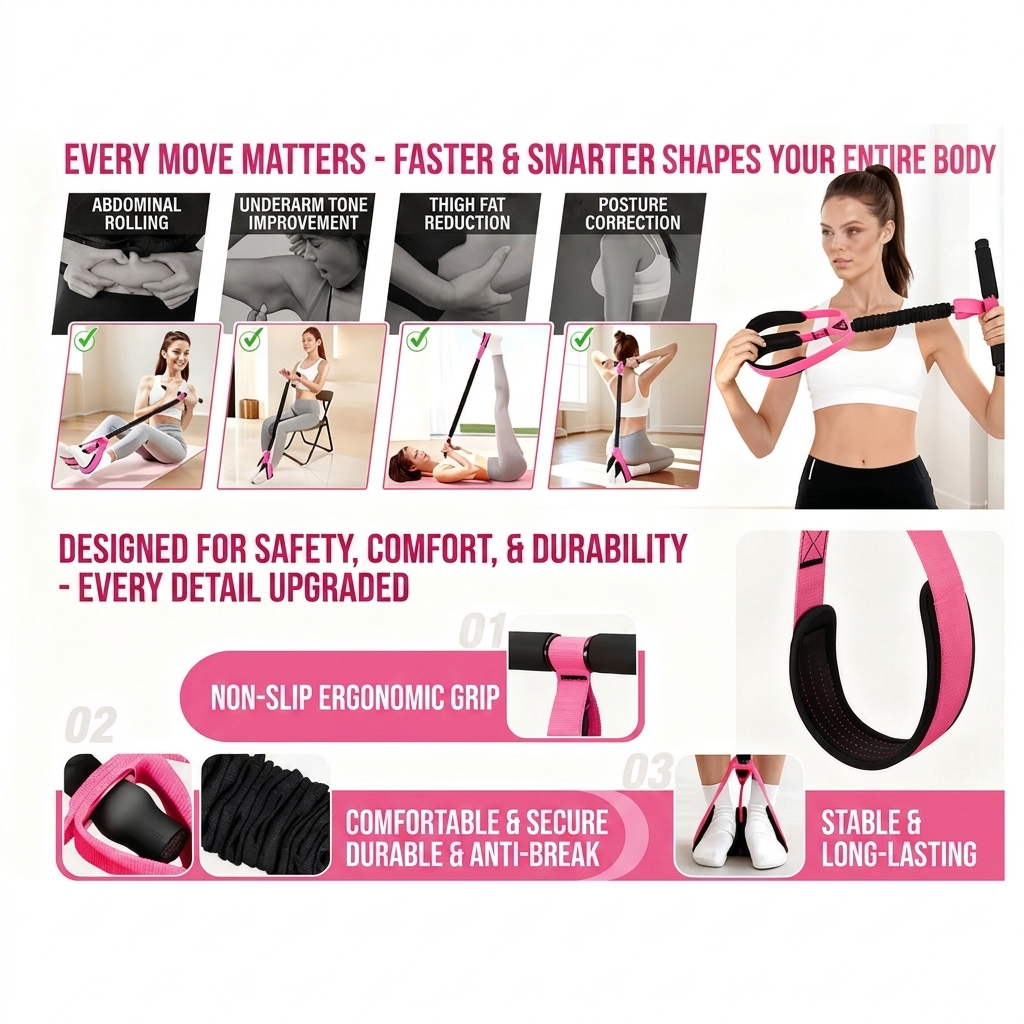
By securing stock during stable periods, importers can avoid the inflated shipping costs and inventory shortages that occur during peak demand or unexpected logistics bottlenecks.
2. Data-Driven Demand Forecasting
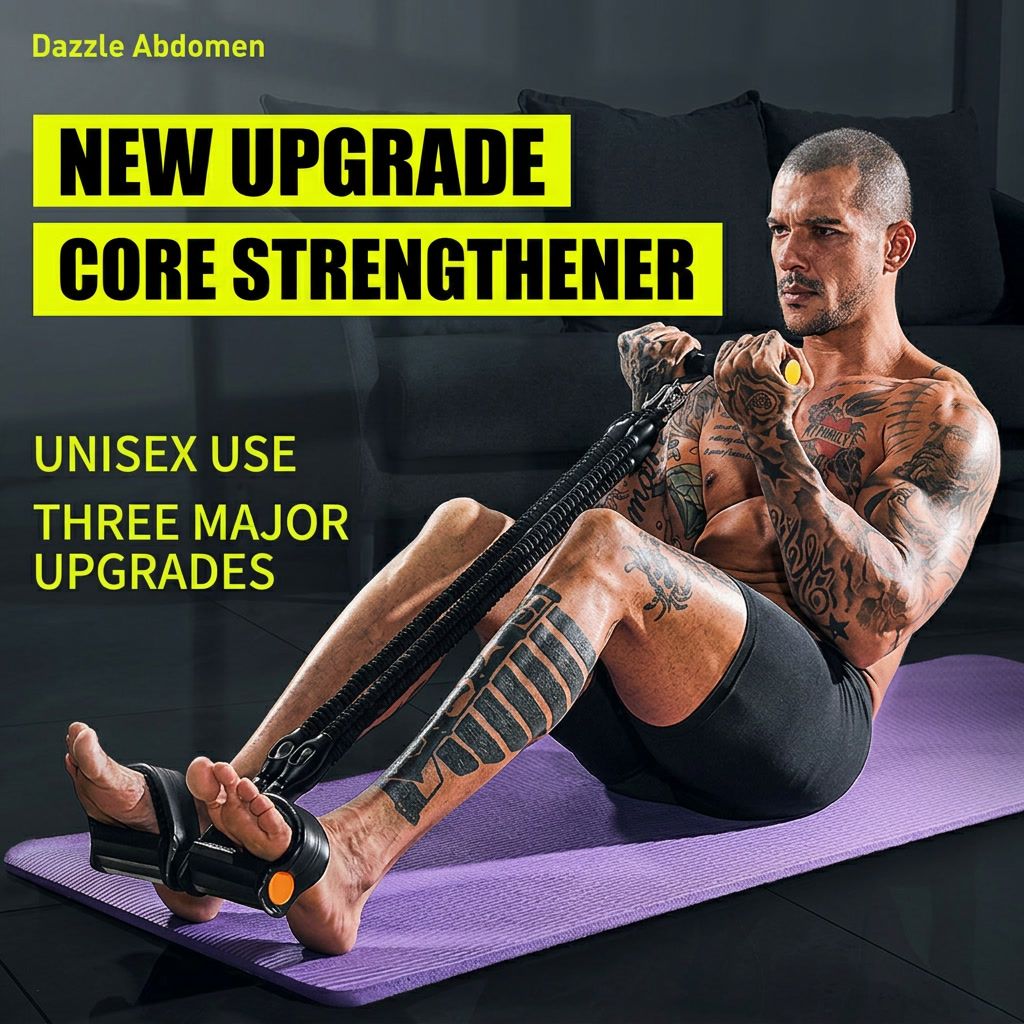
In 2026, Smart Inventory Strategies are powered by advanced data analytics. By integrating historical sales data with real-time market trends, fitness brands can predict demand surges with greater accuracy. For example, the growing trend of hybrid gym models (combining in-person and home workouts) has led to a sustained increase in demand for portable equipment like our Abdominal Training Sets.
3. Diversification of Sourcing and Manufacturing
Reliance on a single shipping route or a single production facility is a high-risk strategy. YK Fitness provides our B2B clients with manufacturing resilience through multiple production lines and a robust network of raw material suppliers in Pujiang, the heart of China’s fitness manufacturing hub. This localized ecosystem allows for faster response times to OEM Customization requests and reduces the lead time for large-scale wholesale orders.
4. Optimizing Logistics for Landed Cost Efficiency
Logistics resilience isn’t just about speed; it’s about cost stability. For Australian importers, leveraging agreements like ChAFTA (China-Australia Free Trade Agreement) is essential for reducing import duties. Furthermore, optimizing container volume (FCL vs. LCL) for compact fitness gear—such as skipping ropes and push-up boards—can significantly lower the landed cost per unit, allowing for better margins in a competitive market.
Conclusion: Building a Future-Proof Partnership
The landscape of global fitness logistics will continue to evolve. By partnering with a manufacturer like YK Fitness, which prioritizes supply chain transparency and smart inventory management, B2B importers can build a resilient, future-proof business. Whether you are scaling a gym franchise or launching a private label brand, we have the expertise and the infrastructure to support your growth. Contact us today to explore how we can optimize your 2026 supply chain.
| Risk Factor | Mitigation Strategy | YK Fitness Solution |
|---|---|---|
| Shipping Delays | Buffer Stock (JIC) | Priority Production for Partners |
| Raw Material Spikes | Price-Lock Contracts | Stable Sourcing in Pujiang |
| Quality Variance | In-Process Factory Audits | Triple-Check QC Protocol |