In the global fitness market of 2026, sourcing high-quality equipment from China remains a cornerstone for B2B wholesalers and brand owners. However, as manufacturing technologies evolve, so do the complexities of maintaining consistent quality. For international buyers, understanding the nuances of Quality Control in China Fitness Manufacturing is no longer just a technical requirement—it is a strategic imperative. At YK Fitness, we believe that transparency and rigorous inspection protocols are the only ways to build long-term trust in the B2B sector.
1. The Evolution of Factory Audits in 2026
In 2026, a standard factory audit has moved beyond checking business licenses and basic workshop cleanliness. Modern Factory Audits for Fitness Gear now include deep dives into digital manufacturing execution systems (MES), raw material traceability, and ESG (Environmental, Social, and Governance) compliance. B2B buyers should look for manufacturers who can provide real-time data on their production lines and possess ISO 9001:2026 certifications.
2. In-Process Inspection: Preventing Defects Before They Happen
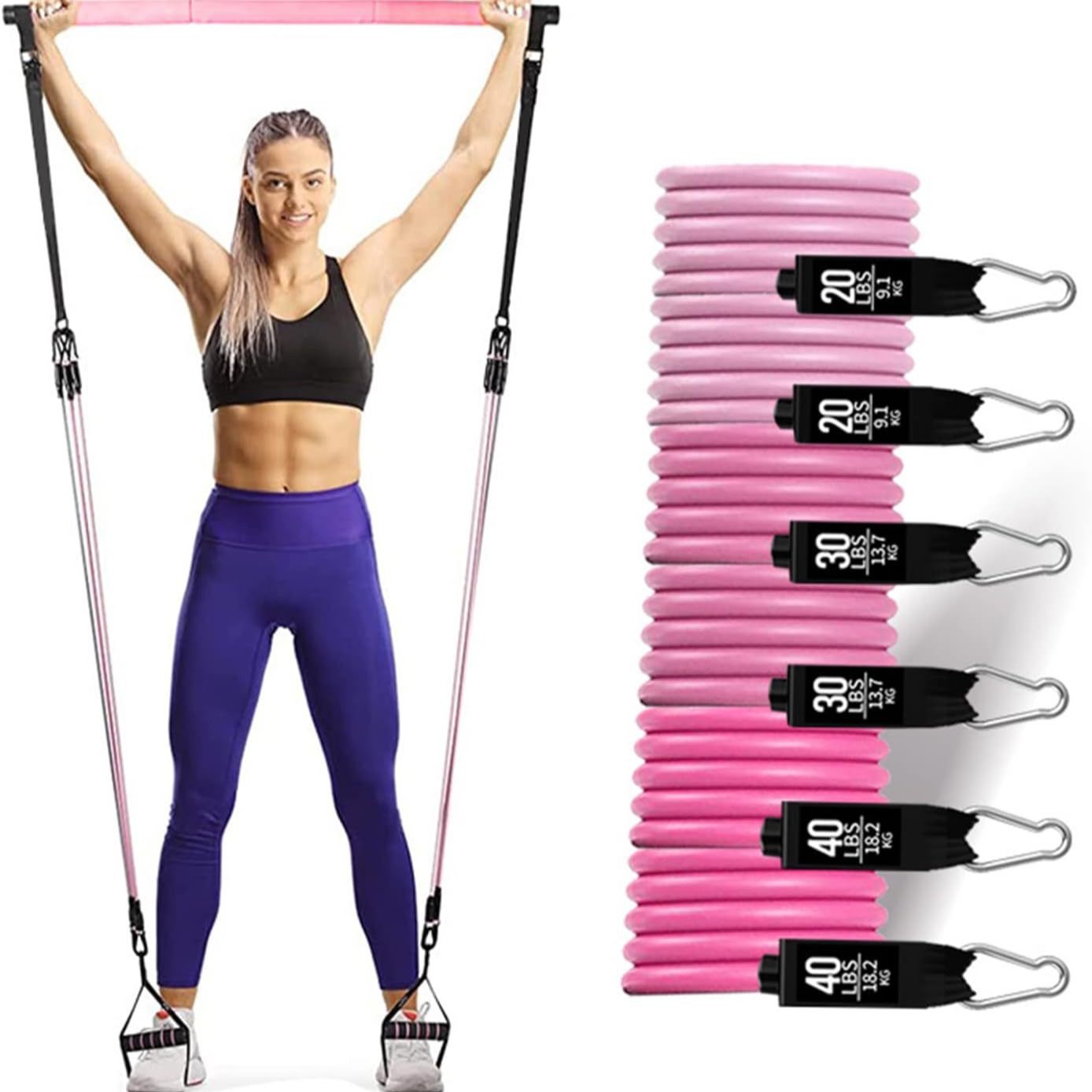
While final pre-shipment inspections (PSI) are vital, the most successful B2B brands prioritize In-Process Inspection (IPI). By catching defects during the assembly of complex items like Professional Pilates Bars, manufacturers can prevent entire batches from being compromised. This proactive approach reduces waste, stabilizes lead times, and ensures that every unit meeting the final packaging stage is 100% compliant with the buyer’s specifications.
3. The ‘Triple-Check’ QC Protocol for B2B Fitness Gear
At YK Fitness, we implement a ‘Triple-Check’ protocol for all wholesale orders:
- Incoming Material Inspection: Testing the tensile strength of latex, the purity of alloy cores, and the UV resistance of TPU coatings.
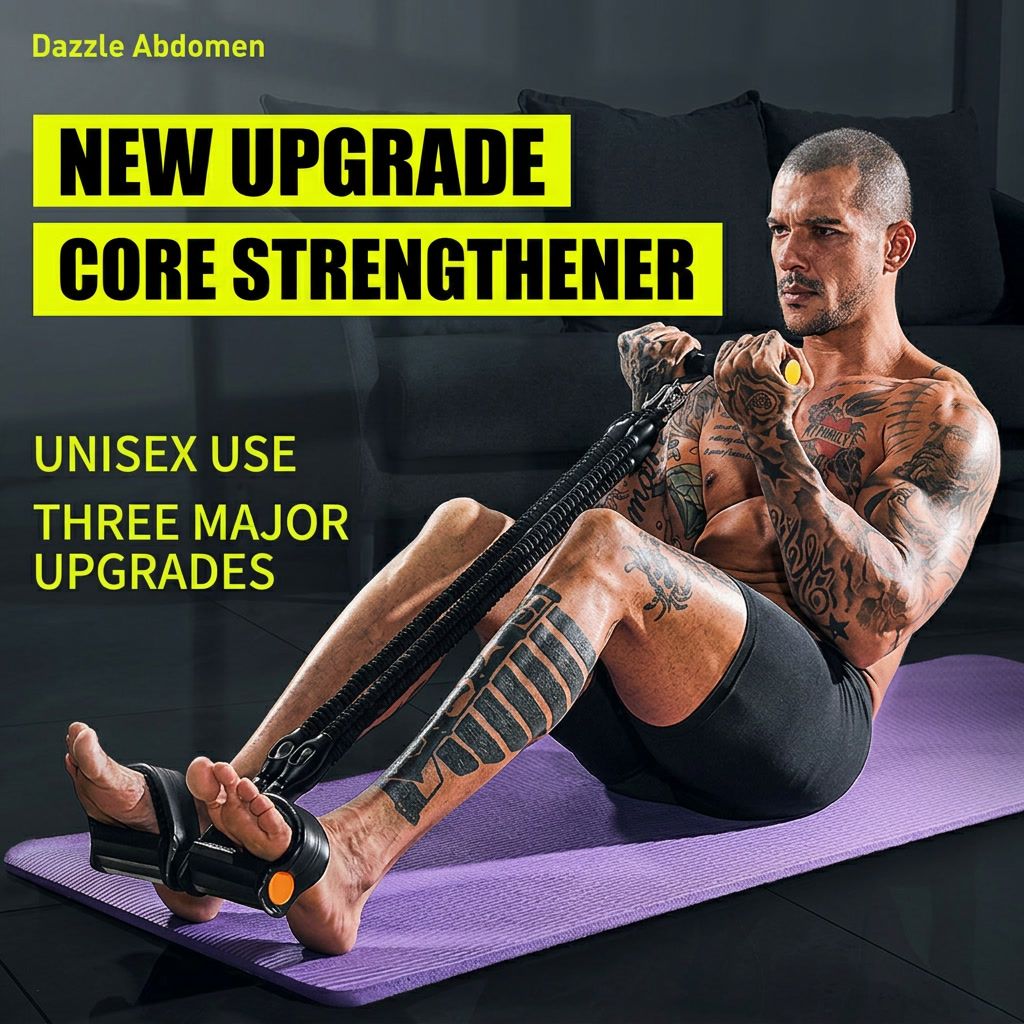
- On-Line Monitoring: Automated sensors track the precision of welds and the consistency of weight distribution in products like Abdominal Muscle Training Sets.
- Final Aesthetic & Functional Test: A human-led review of packaging integrity, logo placement accuracy, and functional performance.
4. Navigating the Pujiang Manufacturing Hub
Pujiang has solidified its position as the heart of China’s premium fitness manufacturing. For B2B buyers, this localized ecosystem offers a significant advantage: specialized suppliers of everything from high-strength springs to Sustainable Fitness Packaging are all within a 10-mile radius. This proximity allows for faster quality corrective actions and more collaborative OEM development cycles.
5. Red Flags to Watch for in B2B Procurement
When evaluating a potential manufacturing partner in 2026, be wary of the following red flags:
- Lack of a dedicated, internal QC department.
- Resistance to third-party inspections (e.g., SGS, V-Trust).
- Inability to provide raw material test reports (MTR) for specific batches.
- Vague answers regarding the source of their recycled materials.
Conclusion: Quality is the Ultimate B2B Currency
In the 2026 global fitness equipment supply chain, price may get you the first meeting, but quality ensures the second order. By mastering Quality Control in China Fitness Manufacturing, B2B buyers can build a resilient brand that end-users trust and competitors envy. At YK Fitness, we don’t just ship products; we ship peace of mind. Contact YK Fitness today to learn more about our industry-leading inspection protocols and factory audit transparency.
| QC Stage | Key Metrics Checked | B2B Outcome |
|---|---|---|
| Raw Material | Tensile Strength, Purity | Safety & Longevity |
| In-Process | Dimensional Accuracy | Reduced Defect Rates |
| Final Review | Functional & Aesthetic | Brand Integrity |
| Audit | Compliance & ESG | Legal & Market Access |