As we advance through 2026, the boundary between physical gym equipment and digital ecosystems has completely dissolved. Traditional strength and cardio gear are no longer viewed as isolated mechanical units. Today, commercial gym operators, boutique studios, and B2B distributors are demanding “connected” solutions that synchronize seamlessly with mobile applications, cloud tracking, and AI-driven coaching. In this comprehensive guide, we will analyze the key trends in IoT (Internet of Things) integration for fitness equipment and outline strategic sourcing insights to help B2B buyers capture high-margin market shares in 2026.
The Connected Fitness Paradigm: Why IoT Matters for B2B Buyers
The global demand for smart gym equipment is accelerating exponentially. According to recent 2026 industry surveys, over 70% of gym members prefer training on equipment that automatically logs their workout data, including sets, reps, tension profiles, and heart-rate synchronization. For B2B distributors, offering connected fitness gear is the ultimate way to achieve product differentiation, avoid price-based competition, and command premium wholesale pricing.
IoT integration is no longer restricted to high-end electric treadmills or spin bikes. In 2026, the technology has expanded deep into traditional strength training and resistance gear, including smart dumbbells, adjustable benches with embedded load sensors, and resistance band systems with real-time tension tracking.
Key IoT Technologies Shaping Commercial Gym Gear in 2026
1. Embedded Load & Velocity Sensors
In modern strength training, velocity-based training (VBT) is dominating athletic performance centers and commercial health clubs. By embedding precision load cells and velocity sensors into structural components like adjustable workout benches and pulley systems, equipment can transmit real-time performance data to a central console or user app via Bluetooth Low Energy (BLE).

Featured Equipment: Pradai Folding Ab Bench – Optimizable with Custom Smart Tracking Modules
2. Smart Resistance Tracking for Elastic Gear
Historically, measuring workout intensity with resistance bands was highly inaccurate. In 2026, advanced OEM manufacturers have resolved this by integrating ultra-thin, stretchable strain gauges into handles and anchor points. These sensors convert the physical elongation of latex or TPE bands into digital tension data (in pounds or kilograms), transmitting it directly to fitness trackers and smartwatch ecosystems.
B2B Strategic Advantages of Connected Fitness Sourcing
Transitioning a portion of your wholesale catalog to include smart-capable or IoT-integrated gym equipment yields immense commercial advantages:
1. High-Value Customization & Premium Margins
IoT-enabled fitness gear commands retail prices 30% to 50% higher than traditional mechanical counterparts, yet the manufacturing cost of integrating standard BLE chips and strain sensors is relatively low. This creates a significant margin buffer for wholesale distributors and OEM brands.
2. Contract Wins with Enterprise Gym Chains
National gym franchises and corporate wellness programs in 2026 are aggressively transitioning to fully digitized clubs to reduce staffing overhead and gamify the member experience. Wholesalers who can supply a fully connected ecosystem of strength and conditioning equipment are far more likely to secure lucrative multi-year enterprise procurement contracts.
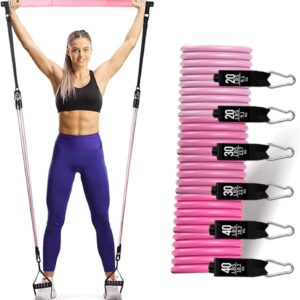
B2B Showcase: Professional Pilates Bar Kit with Multi-Tension Adaptability
3. Data-Driven Customer Loyalty
When wholesalers distribute connected equipment that pairs with proprietary fitness apps, they help gym brands establish an ecosystem of digital customer retention. This creates a lock-in effect, ensuring that when the gym expands, they exclusively return to the same B2B supplier to maintain hardware-software compatibility.
Challenges & Best Practices in Smart Fitness OEM Sourcing
While the rewards of connected fitness are massive, B2B buyers must navigate specific technical and regulatory challenges:
1. Wireless Regulatory Compliance (FCC / CE / RCM)
Any fitness equipment integrating wireless transmitters (Bluetooth, Wi-Fi, NFC) must pass rigorous wireless regulatory checks. For the North American market, FCC certification is mandatory. For Europe, the CE RED (Radio Equipment Directive) must be satisfied. Ensure your OEM manufacturing partner has ready-to-go modular certifications to prevent long delays during import.
2. Software Integration Capabilities
Hardware is only half the equation. Wholesalers should seek OEM partners who offer open SDK/API protocols. This allows your gym clients to integrate the equipment’s physical data stream directly into their existing custom club management applications or popular third-party training platforms.
3. Power Source and Battery Lifecycle Management
Smart sensors require power. In 2026, the trend has shifted toward self-generating micro-turbines in cable machines or the integration of highly durable, easily replaceable batteries in smaller gear like smart dumbbells and resistance bars, avoiding messy wiring layouts on the commercial gym floor.
Conclusion: Bulletproofing Your Catalog for 2026 and Beyond
The connected fitness wave is no longer on the horizon—it is officially here. Wholesalers and gym brands who continue to rely solely on silent, mechanical steel will quickly find themselves marginalized by tech-enabled competitors. By selectively integrating IoT-ready and smart-optimized equipment into your B2B sourcing roster, you position your brand as an innovative, forward-thinking market leader.
Ready to elevate your inventory with 2026 smart fitness innovations? Contact YK Fitness today to discuss our IoT modular customization capabilities and speak with our development engineers.