As we navigate through the dynamic economic landscape of 2026, commercial gym equipment wholesale distributors and gym brand owners face a complex set of challenges. Chief among these is the volatility of global raw material costs. From high-grade structural steel and aluminum to advanced elastomers like TPU and natural latex, the inputs that define fitness equipment quality are fluctuating under the pressure of supply chain restructuring and energy transitions. In this strategic guide, we will analyze the raw material trends shaping 2026 fitness manufacturing and outline how B2B buyers can optimize their procurement to lock in stable pricing and maximize profitability.
The 2026 Raw Material Landscape: Key Inputs in Focus
To successfully navigate the wholesale market, buyers must understand what drives the cost of the finished products. The fitness manufacturing sector relies heavily on three core classes of raw materials:
1. Structural Steel and Heavy Alloys
For strength equipment like adjustable workout benches, power racks, and weight stacks, high-tensile structural steel is the primary driver of manufacturing cost. In 2026, global steel prices have experienced localized volatility due to rising carbon taxes and energy tariffs in traditional smelting regions. Manufacturers who source steel locally or utilize energy-efficient production methods are better positioned to offer stable wholesale pricing.

Sourcing Highlight: Pradai Folding Ab Bench – Constructed with High-Tensile Structural Steel
2. Thermoplastic Elastomers (TPE & TPU)
As detailed in our eco-friendly material analyses, the rapid transition from PVC to non-toxic alternatives like TPE and TPU has spiked demand for high-purity thermoplastic resins. In 2026, while initial transition costs created pricing spikes, bulk production scaling has stabilized TPU and TPE costs, making them highly competitive for high-volume commercial production of mats, rollers, and grips.
3. Natural Latex and Resistance Alloys
For high-resistance band systems and cable pulley attachments, natural latex and high-durability resistance alloys are critical. Environmental fluctuations in major rubber-producing nations have historically caused latex supply pinches. Wholesalers must partner with manufacturers that maintain secure strategic reserves of raw latex to shield their production lines from sudden price hikes.
Strategic Procurement: How Wholesalers Can Lock in Stable Pricing
B2B fitness equipment buyers can protect their margins from raw material fluctuations by adopting several proven procurement strategies in 2026:
1. Implementing Smart Blanket Orders
Instead of placing fragmented ad-hoc orders throughout the year, wholesalers should utilize blanket purchase orders. By committing to an annual volume with an OEM manufacturer, you allow the factory to secure raw materials (like steel or latex) in bulk at current rates. This locks in your unit pricing for up to 12 months, shielding your business from mid-year market spikes.
2. Choosing the Right Packaging and Freight Optimization
Raw material costs are only one part of the landed unit cost. As logistics costs remain a major factor, optimizing product packaging can yield immense savings. Seeking products that utilize flat-pack designs or collapsible structures (such as folding benches) allows you to double the number of units per container, effectively diluting the impact of any raw material price increases.
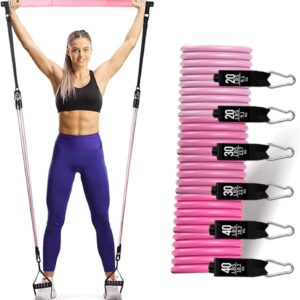
Product Feature: Professional Pilates Bar Kit in Space-Efficient Flat Packaging
3. Material Substitution and Design Collaboration
A smart B2B supplier doesn’t just pass cost increases down to the buyer; they collaborate on engineering solutions. Partnering with a manufacturer like YK Fitness allows you to discuss cost-efficient design modifications. For example, replacing heavy solid steel plates with high-density composite-encased weights can reduce materials costs while maintaining the same weight and structural stability.
The YK Fitness Price Stability Guarantee
At YK Fitness, our commitment to our wholesale partners extends beyond manufacturing excellence. To shield our global distributors from the volatility of 2026:
- Direct Mill Contracts: We secure long-term, fixed-rate supply agreements directly with leading domestic steel and elastomer mills.
- Strategic Warehousing: We maintain a 3-month buffer stock of critical raw materials at our factory, absorbing short-term pricing shocks.
- Open Book Pricing: We believe in transparency. We share material index data with our key OEM partners, building long-term trust and collaborative pricing models.
Conclusion: Building a Resilient Supply Chain for 2026
Raw material price fluctuations are an inevitable part of the global fitness manufacturing industry. However, by understanding the market drivers, leveraging bulk buying power, and collaborating with a transparent, resource-secure manufacturer, commercial fitness equipment wholesalers can turn volatility into a competitive advantage.
Want to secure your 2026 inventory pricing? Contact YK Fitness today to discuss our volume pricing agreements and lock in your B2B margins.