As we navigate the highly competitive fitness market of 2026, resistance training has solidified its position as a core component of commercial fitness programs. From boutique strength studios to national health club chains, resistance bands are utilized in high-volume, high-traffic settings daily. For B2B fitness equipment wholesale distributors, sourcing bands that can withstand this intense, repetitive commercial usage is paramount. Sourcing subpar gear leads to rapid elasticity loss, premature tearing, and dangerous snap-backs—all of which damage your wholesale brand’s reputation. In this comprehensive sourcing guide, we analyze the material science behind high-durability resistance bands in 2026 and outline how to select the best products for your commercial inventory.
The Battle of Elastomers: Natural Latex vs. Synthetic TPE
The resistance band market is dominated by two primary materials: Natural Malaysian Latex and Synthetic Thermoplastic Elastomers (TPE). Understanding the core performance differences between these two materials is crucial for strategic B2B sourcing:
1. Natural Malaysian Latex: The Gold Standard for Elasticity
Natural latex, harvested from the Hevea brasiliensis tree, remains the absolute gold standard for elasticity, progressive tension, and raw durability. In 2026, premium commercial gyms exclusively demand latex-based bands for heavy strength training. Latex offers an extremely smooth resistance curve—meaning the tension increases progressively and naturally as the band is stretched. Furthermore, natural latex has superior “elastic memory,” meaning it can be stretched to 4x its original length thousands of times without losing its baseline resistance or snapping.
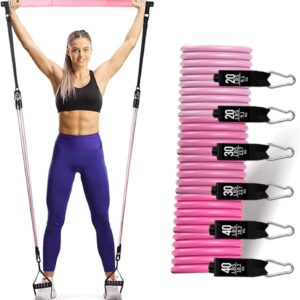
Product Spotlight: Professional Pilates Bar Kit with Heavy-Duty 180lbs Latex Resistance Bands
2. Thermoplastic Elastomers (TPE): The Eco-Friendly, Hypoallergenic Alternative
While natural latex reigns supreme in strength, TPE has captured a massive share of the commercial accessory market. TPE is a synthetic polymer that is 100% recyclable, biodegradable, and completely free of latex proteins—making it hypoallergenic and safe for users with latex allergies. TPE bands do not have the strong rubber odor of latex and can be manufactured in a vast array of vibrant, stable colors. TPE is highly suited for light-to-medium resistance gear, yoga accessories, and home-fitness equipment.

Wholesale Focus: Foot Pedal Resistance Puller Crafted from Premium Non-Toxic TPE
Advanced Manufacturing Techniques That Define 2026 Quality
When evaluating resistance band factories in China, look beyond raw material selection. The manufacturing process itself determines the final product’s safety and lifespan:
1. Continuous Dip Layering vs. Extrusion
There are two primary ways to manufacture latex tubing:
- Extrusion (Single-Layer): Liquid latex is pushed through a dye to form a tube in a single pass. While cost-effective, extruded tubing is prone to microscopic surface imperfections that can expand under high tension, leading to sudden failure.
- Continuous Dip Layering (Multi-Layer): The tube is dipped into liquid latex multiple times, building up thin, concentric layers over hours. At YK Fitness, our premium bands feature up to 11 individual dipped layers. If a microscopic tear occurs on the outer layer, the inner layers remain completely intact, preventing catastrophic snapping and ensuring user safety during commercial workouts.
2. Anti-Snap Inner Cord Integration
In 2026, the ultimate innovation in commercial resistance tube safety is the integration of an inner safety cord. Made of high-tensile nylon, this floating cord runs inside the hollow latex tube and is anchored securely to the metal carabiners at both ends. If a user manages to over-stretch or compromise the outer latex tube, the inner cord immediately stops the expansion and prevents the band from snapping back toward the user’s face—a massive liability shield for commercial gym operators.
B2B Sourcing Checklist for Wholesalers in 2026
Before committing to a high-volume resistance band order, ensure your supplier satisfies this technical checklist:
- Tensile Strength Certifications: Request third-party lab stress reports demonstrating that the bands can maintain their rated resistance profile over at least 15,000 cycles of 3x elongation.
- Chemical Compliance (REACH / RoHS): Ensure TPE and latex components are certified by SGS to be free of toxic phthalates and heavy metal residues, facilitating smooth customs clearance in the EU and Australia.
- Custom Anchor and Clip Quality: The connection points are the weakest parts of any band. Specify premium iron or steel carabiners with double-reinforced nylon webbing sleeves to prevent tearing at the seams.
Conclusion: Powering Your Inventory with Compliance and Quality
The commercial resistance band market in 2026 rewards quality and safety above all else. By understanding the chemical properties of natural latex versus TPE and sourcing bands constructed via multi-layer dipping with safety integrations, B2B distributors can establish themselves as premier, low-risk suppliers to national gym chains and boutique fitness franchises.
Looking to source certified, commercial-grade resistance equipment? Contact YK Fitness today to discuss our advanced multi-layer latex dipping capabilities and request customized samples.