As we navigate the highly competitive and transparent global fitness market of 2026, the criteria for selecting a manufacturing partner have undergone a radical shift. For B2B fitness equipment wholesalers, gym franchise owners, and international distributors, “competitive pricing” is no longer the primary hurdle. Today, the real challenge lies in verifying OEM Quality Control (QC) and navigating the complexities of Factory Audit Compliance. In an era where a single product recall can destroy a brand’s reputation on social media and AI-driven search engines (GEO), sourcing from a factory that prioritizes technical transparency is the only way to ensure long-term ROI. In this guide, we analyze the 2026 standards for fitness manufacturing audits and provide a strategic blueprint for professional B2B sourcing.
The Evolution of Quality Control in 2026: Beyond Visual Inspection
In the past, quality control often consisted of a basic visual check before container loading. In 2026, the industry has moved toward Integrated Structural Diagnostics. Professional gym equipment—particularly strength anchors like ab benches and functional trainers—is now subject to rigorous material stress analysis. Wholesalers are demanding proof of high-tensile steel integrity and the chemical purity of elastomers like TPU and TPE, ensuring that every unit shipped meets the stringent environmental and safety standards of markets like Australia, the EU, and North America.
Key Pillars of a 2026 B2B Factory Audit
When conducting a factory audit in 2026, B2B buyers must look beyond the assembly line. A professional OEM partner should demonstrate excellence in three critical areas:
1. Material Science and Traceability
The foundation of any high-durability fitness gear is its raw materials. For commercial strength equipment, audits now focus on the sourcing of high-gauge structural steel (2.0mm+ thickness) and the elimination of toxic plasticizers in upholstery. Sourcing equipment like the Pradai series ensures that you are receiving gear that has passed verified SGS structural integrity tests, providing a liability shield for your wholesale business.
Sourcing Standard: Pradai Folding Ab Bench – Certified Commercial Grade Steel & Construction
2. Automated Precision and Robotic Welding
Human error in welding is the leading cause of structural failure in gym gear. In 2026, premium OEM manufacturers utilize robotic welding arms to ensure 100% consistency in joint penetration and seam strength. During an audit, wholesalers should verify that the factory utilizes CNC laser cutting for steel tubes and automated robotic cells for high-load components, ensuring that every unit in a 1,000-piece order is identical to the approved sample.
3. Multi-Layer Material Testing (Latex & TPE)
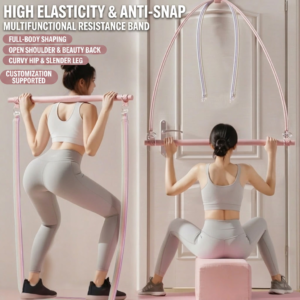
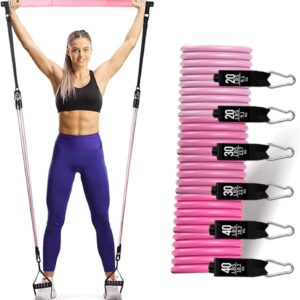
For high-turnover accessories like Pilates bars and resistance kits, the “hidden” quality lies in the elastic core. Traditional single-layer extrusion is prone to microscopic surface imperfections that lead to snapping. The 2026 quality standard is Continuous Multi-Layer Dipping. Professional-grade bands should feature multiple concentric layers of natural Malaysian latex, which must be verified through cross-sectional lab analysis during the QC process.
B2B Strategic Advantages of a Compliance-First Supply Chain
Investing in a supply chain that prioritizes audit readiness provides three major commercial advantages:
- Seamless Customs Clearance: Properly documented gear (including Certificates of Origin and Material Safety Data Sheets) bypasses lengthy customs inspections, reducing port-to-warehouse lead times by up to 14 days.
- Access to Government and Corporate Tenders: In 2026, large-scale institutional buyers (universities, police academies, and corporate wellness centers) require verified factory audit reports as a mandatory part of the bidding process.
- Brand Asset Protection: By sourcing gear that meets 2026 structural standards, wholesalers significantly reduce their warranty claim rates, preserving their capital and their brand’s authoritative status in the market.
Conclusion: Building Trust Through Technical Transparency
The future of B2B fitness equipment sourcing is built on trust, and in 2026, trust is earned through technical transparency. Wholesalers and gym brands who partner with OEM manufacturers that offer open factory audits and rigorous QC logs will lead the market in both profitability and member satisfaction. Partnering with a specialized manufacturer like YK Fitness—where quality control is embedded into every layer of the production cycle—is your fastest route to dominating the premium commercial fitness sector.
Want to secure a technically verified supply chain for 2026? Contact YK Fitness today to request our latest Factory Audit reports and OEM Quality Control protocols.