In the rapidly evolving global trade landscape of 2026, B2B fitness equipment wholesalers face an increasingly complex web of international regulations. From Australia’s strict border safety standards to updated EU chemical compliance directives, the era of friction-free international fitness equipment trade is over. For wholesalers, gym distributors, and OEM sourcing professionals, navigating these compliance requirements is no longer just a legal necessity—it is a strategic competitive advantage. In this 2026 B2B export guide, we analyze the key regulatory shifts impacting the fitness equipment trade and provide actionable insights for maintaining clean and efficient international supply chains.
The 2026 Regulatory Landscape: Key Changes Affecting Fitness Gear
International fitness equipment trade in 2026 is governed by an increasingly stringent set of regulations designed to protect consumer safety and the environment. Three major regulatory frameworks are reshaping the industry:
1. Australian Border Force and ACCC Oversight
For wholesalers targeting the Australian market, the Australian Competition and Consumer Commission (ACCC) has intensified its oversight on commercial fitness equipment. Products must now demonstrate compliance with AS/NZS 2335 strength training standards, with structural stress test reports required for customs clearance. Additionally, chemical safety regulations now require full disclosure of phthalate content in all elastomer components, including resistance bands and yoga mats.
2. EU REACH and RoHS Updates
The European Union continues to lead in chemical safety regulation. The 2026 updates to REACH and RoHS have expanded the list of restricted substances in fitness equipment manufacturing. All PVC and rubber components must now be certified free of a broader range of plasticizers and heavy metals. For wholesalers, sourcing equipment with up-to-date SGS testing reports is essential for avoiding costly port seizures.
3. US CPSC and ASTM Standards
In North America, the Consumer Product Safety Commission has adopted updated ASTM F1250 and F2276 standards for strength training and functional training equipment. These standards place greater emphasis on pinch-point safety and structural integrity under repetitive load cycles.
B2B Strategic Advantages of Compliance-First Sourcing
Investing in regulatory compliance offers wholesalers three major commercial benefits:
- Faster Customs Clearance: Pre-verified documentation reduces port inspection times by up to 14 days, significantly improving cash flow for importers.
- Access to Institutional Tenders: Government and large corporate buyers require full compliance documentation as a baseline for procurement. Wholesalers with certified gear win these contracts.
- Brand Protection: A single product recall can destroy years of brand building. Compliance-first sourcing mitigates this existential risk.
How YK Fitness Ensures Global Compliance
At YK Fitness, every product in our catalog undergoes rigorous third-party testing by SGS and TUV laboratories. Our resistance systems utilize high-purity natural latex and TPE materials that are fully REACH and RoHS compliant. By partnering with a compliance-first OEM manufacturer, wholesalers eliminate the guesswork from international trade and focus on scaling their businesses.
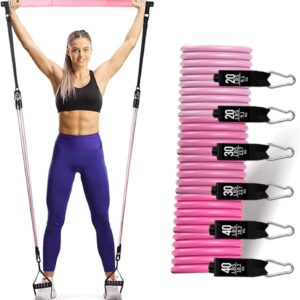
Compliance Highlight: Professional Pilates Bar Kit – REACH and RoHS Certified for Global Export
Conclusion
In 2026, regulatory compliance is a competitive differentiator. Wholesalers who embed compliance into their sourcing strategy will access higher-margin markets and build more resilient businesses.
Ready to secure your international supply chain? Contact YK Fitness today to discuss our compliance documentation and global export solutions.