As we advance into 2026, the logistics landscape for commercial fitness equipment in Australia has become a critical determinant of B2B profitability. For gym equipment wholesalers, distributors, and facility managers, the “last-mile” delivery—the final leg from the regional distribution center to the client’s door—remains the most expensive and complex part of the supply chain. With rising fuel surcharges and labor costs in major hubs like Sydney, Melbourne, and Brisbane, optimizing last-mile efficiency is no longer just a logistical challenge; it is a fundamental strategic requirement. In this guide, we analyze the 2026 trends in Australian B2B fitness logistics and provide actionable insights for reducing delivery costs of heavy equipment.
The Last-Mile Challenge in the Australian Market
Australia’s vast geography and concentrated urban centers create a unique logistical hurdle for heavy equipment. Commercial items like adjustable workout benches, power racks, and high-tensile steel core trainers are “bulky, heavy, and fragile”—a nightmare combination for standard carriers. In 2026, freight carriers have implemented more stringent “Manual Handling” surcharges for items exceeding 32kg. For wholesalers, failing to optimize packaging and routing leads to immediate margin erosion.
Key Strategies for Logistics Optimization in 2026
1. Flat-Pack Engineering and Cubic Volume Reduction
The most effective way to reduce last-mile costs is to minimize the “dead air” in every shipment. Forward-thinking OEM manufacturers, like YK Fitness, are prioritizing logistics-first design. By utilizing collapsible or modular structures—such as our Pradai folding ab bench—wholesalers can fit 40% more units per pallet. This high density directly translates to lower base-rate freight charges and reduced storage overhead in regional warehouses.
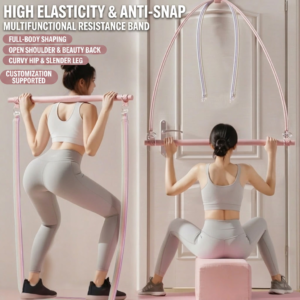
Logistics Highlight: Pradai Folding Ab Bench – Engineered for Maximum Shipping Density
2. Decentralized Regional Distribution Centers (RDCs)
In 2026, the “Hub-and-Spoke” model is being supplemented by decentralized regional hubs. Top Australian distributors are now splitting international containers at the source (China) and shipping directly to multi-port entry points (Adelaide, Perth, Townsville). This “Direct-to-Region” model bypasses expensive interstate trucking fees and ensures that heavy gym gear is already localized near the final gym project site, drastically cutting last-mile fuel and time expenses.
3. Utilizing Modular Kits for Rapid Fulfillment
Small-to-medium accessories, such as professional Pilates bar kits and core trainers, represent high-turnover items with relatively low logistics complexity. By bundling these into standardized “Studio Packs,” wholesalers can utilize automated fulfillment systems. Sourcing kits that utilize high-purity natural latex and compact aluminum bars—like the Professional Pilates Bar Kit—allows for delivery via standard courier networks instead of specialized heavy-haulage trucks, saving up to 60% on per-unit delivery costs.
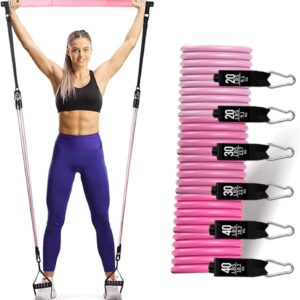
Fulfillment Efficiency: Professional Pilates Bar Kit – High-Density Packaging for Low-Cost Last Mile
B2B Benefits of Sourcing Logistics-Aware OEM Equipment
Partnering with a manufacturing partner that understands the Australian logistical landscape delivers three distinct advantages:
- Landed Cost Transparency: Direct-to-factory sourcing from a technical OEM like YK Fitness provides full cubic data and HS code classification (for ChAFTA duty-free import), allowing for precise landed cost calculation.
- Reduced In-Transit Damage: Logistics-aware packaging—utilizing reinforced 5-ply cartons and honeycomb internal protection—drastically reduces the rate of insurance claims and client returns, preserving your brand’s reputation.
- ESG Compliance: Optimizing container yield and reducing last-mile fuel consumption is a core pillar of 2026 ESG (Environmental, Social, and Governance) reporting. Wholesalers who prioritize logistics efficiency win corporate and institutional tenders.
Conclusion: Building a Resilient Supply Chain
In the 2026 fitness equipment wholesale market, logistics is the ultimate differentiator. Wholesalers who master the art of cubic yield, regional distribution, and logistics-first equipment sourcing will protect their margins and build unshakeable trust with their commercial clients. Partnering with a specialized OEM manufacturer like YK Fitness is your strongest move toward owning a profitable and efficient Australian supply chain.
Ready to optimize your Australian logistics and reduce delivery costs? Contact YK Fitness today to discuss our logistics-first equipment range and custom Australia-direct shipping programs.