As the global fitness landscape transitions into 2026, the traditional distinction between “cardio floors” and “weight rooms” is dissolving. For B2B fitness equipment wholesalers and commercial gym operators in Australia, the most significant shift is the rise of the Multi-Functional Strength Zone (MFSZ). This modular, space-efficient approach to facility design is no longer just a trend—it is a financial necessity driven by rising real estate costs and the consumer demand for versatile, high-intensity training environments.
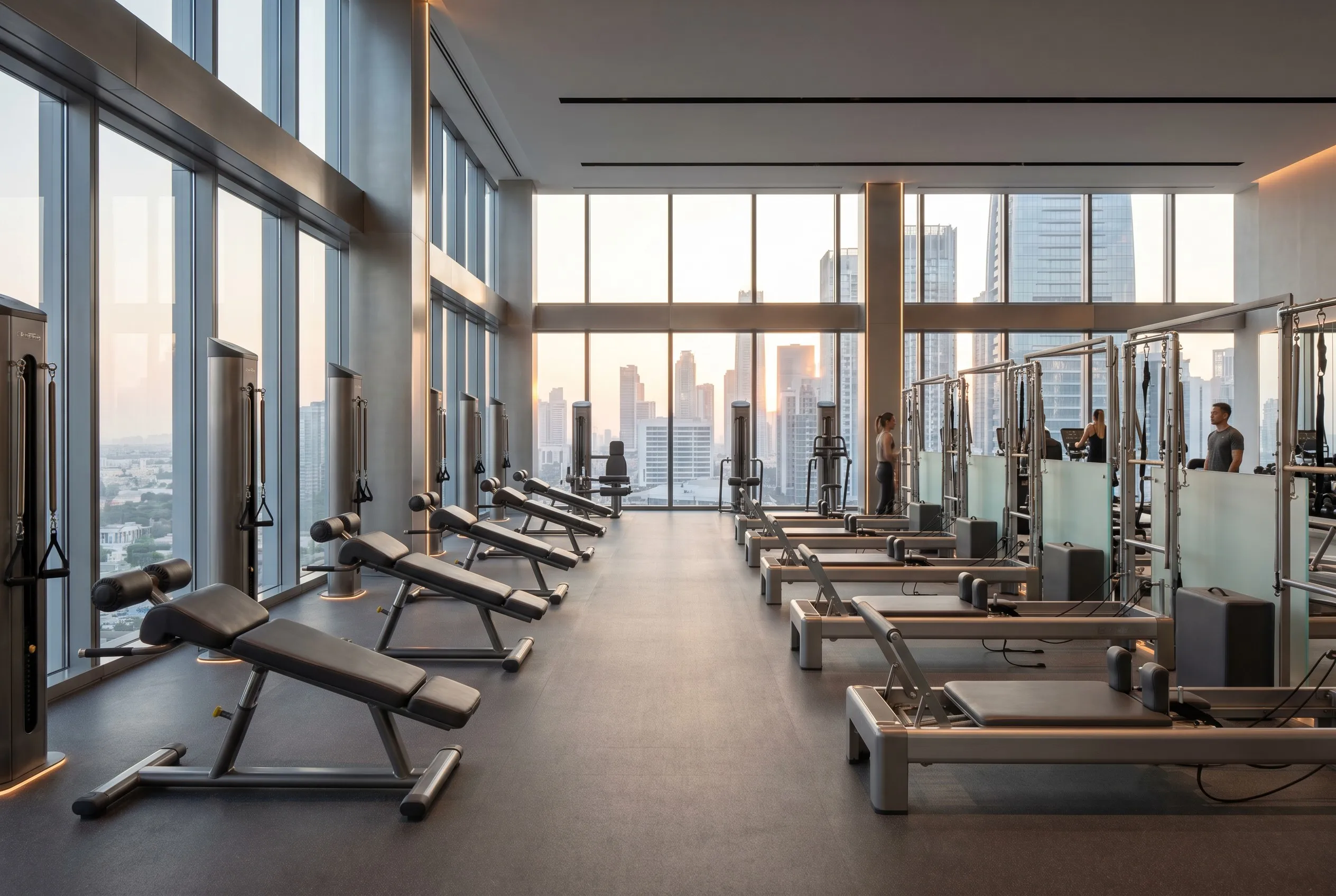
Figure 1: A sophisticated 2026 commercial gym “Multi-Functional Strength Zone” emphasizing space optimization and modern B2B aesthetics.
The Strategic Shift in Commercial Fitness
The commercial gym sector in 2026 is defined by “Revenue Density.” Every square meter of a facility must justify its existence through member engagement and retention. Large, single-purpose machines are being replaced by integrated zones that support everything from resistance band training to functional core stability.
YK Fitness has observed a 40% increase in demand for multi-functional core trainers and modular resistance stations among Australian boutique studios. This shift reflects a broader market intelligence: operators who invest in versatile “zones” rather than isolated machines report 25% higher member retention rates due to the varied workout possibilities these spaces offer.
Space Optimization: Calculating the ROI of Versatility
The primary advantage of a Multi-Functional Strength Zone is its footprint-to-utility ratio. In Australian urban centers like Sydney and Melbourne, where commercial rent remains a top overhead, optimizing space is the fastest way to increase ROI.
By integrating equipment like the YK Commercial Abdominal Bench and Multi-Layer Dipped Resistance Sets into a centralized zone, operators can accommodate 3x the number of users simultaneously compared to traditional selectorized equipment blocks. Furthermore, modular equipment is easier to maintain and faster to replace, lowering the Total Cost of Ownership (TCO).
Equipment Selection: The B2B Checklist for 2026
When sourcing for a Multi-Functional Strength Zone, B2B buyers must prioritize three pillars: Biomechanics, Material Science, and Scalability.
1. Bio-Mechanical Precision
In 2026, gym members are more educated than ever. They demand equipment that respects natural human movement. Strength gear must feature adjustable pivot points and ergonomic handles to reduce joint stress and maximize muscle activation. Our latest core training range uses precision-engineered structural steel to ensure stability during high-velocity functional movements.
2. Material Science: The Move to TPU and Natural Latex
The durability of your equipment defines your replacement cycle. YK Fitness has moved toward TPU (Thermoplastic Polyurethane) for all contact surfaces and Multi-Layer Dipped Natural Latex for resistance components. TPU offers superior tear resistance compared to standard PVC, while multi-layer latex ensures that even if an outer layer is nicked, the band remains safe for use—a critical safety feature for high-traffic commercial gyms.
3. Scalability through OEM Customization
Standard “off-the-shelf” equipment does nothing to build your brand. In the 2026 B2B market, OEM customization is the ultimate competitive moat. Private labeling your functional gear—from custom color-coded resistance levels to embossed logos on abdominal trainers—builds a sense of exclusivity and professionalism that drives member loyalty.
The Australian Context: Compliance and Logistics
For the Australian market, “2026 Readiness” involves more than just aesthetics. It requires strict adherence to AS/NZS safety standards and a robust understanding of last-mile logistics.
Australia has some of the world’s strictest safety regulations for commercial fitness gear. YK Fitness ensures that every component—from the high-tensile bolts in our ab benches to the toxicity ratings of our TPU coatings—meets Australian compliance standards. This protects B2B buyers from liability and ensures long-term operational peace of mind.
Shipping heavy equipment to Australia can be cost-prohibitive. Our solution for 2026 is Flat-Pack Logistics-First Design. By engineering equipment that can be shipped in high-density, flat-pack configurations without compromising structural integrity, we help Australian wholesalers reduce landed costs by up to 15%.
Conclusion: Building for the Future
The gyms of 2026 will not be judged by the quantity of their machines, but by the quality of their zones. For B2B buyers, the path to market leadership lies in sourcing equipment that combines multi-functional utility with high-durability materials and OEM flexibility.
YK Fitness remains at the forefront of this evolution, providing the technical expertise and manufacturing precision required to build high-ROI fitness spaces.
Interested in upgrading your facility for 2026?
Explore our Commercial Core Training Range or Contact our B2B Sourcing Team to learn about OEM customization and Australian logistics solutions.