As we navigate the middle of 2026, the commercial fitness industry has moved beyond simple “smart” features into full-scale Smart Fitness Ecosystems. For B2B fitness equipment wholesalers and facility operators, the integration of IoT (Internet of Things) into traditional strength and resistance gear is no longer an optional luxury—it is the primary driver of member retention and data-driven operational efficiency. This guide explores the strategic imperatives of sourcing IoT-enabled strength equipment in 2026.
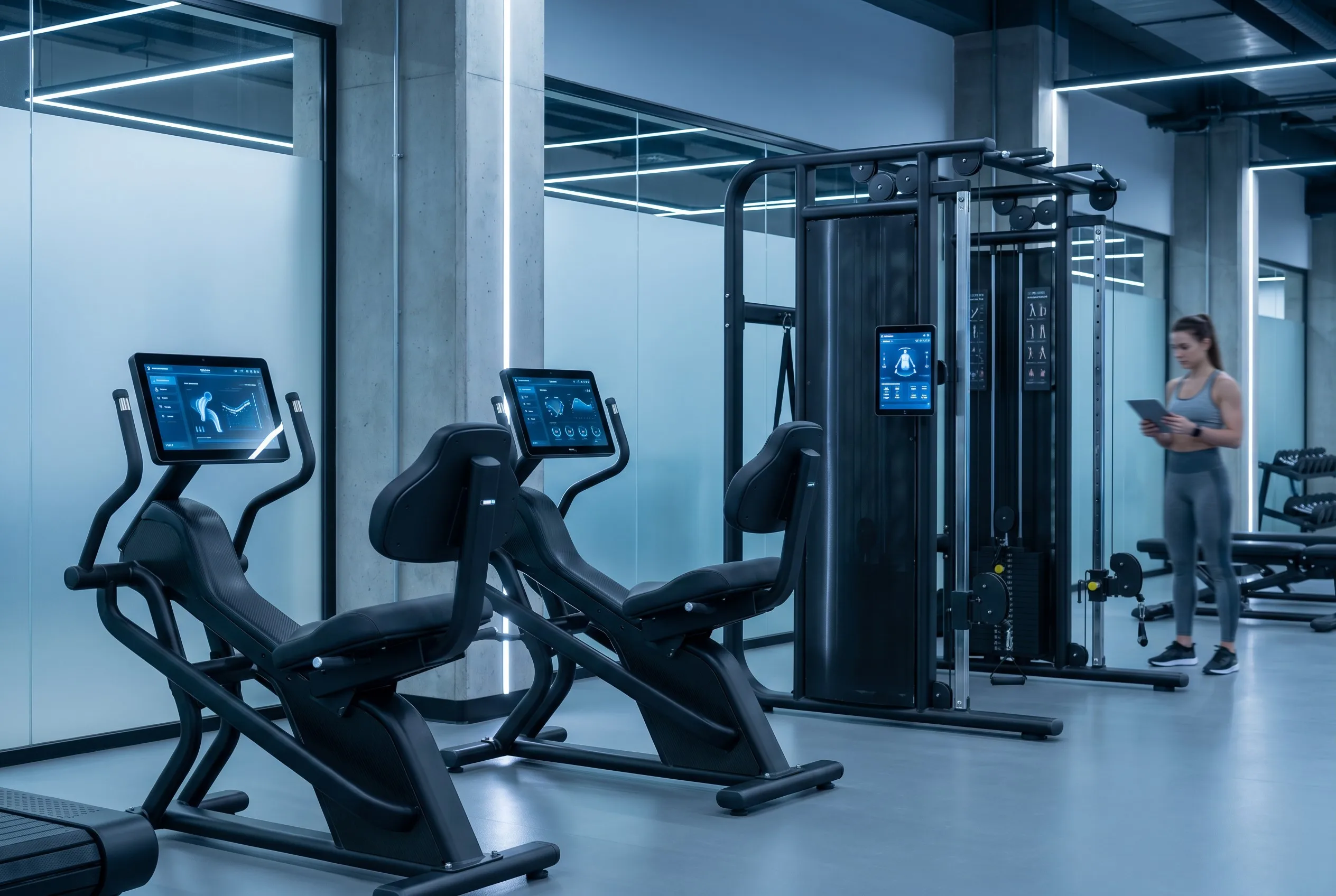
Figure 1: IoT-enabled strength machines in 2026 provide real-time biomechanical feedback and institutional data tracking.
The Shift from Passive to Active Strength Training
Historically, strength training was a “passive” experience in terms of data. While cardio equipment has tracked metrics for decades, strength gear—abdominal benches, resistance stations, and functional rigs—remained offline. In 2026, the Smart Fitness Market has solved this gap.
Modern commercial gyms now utilize “Active Strength” stations equipped with sensors that track range of motion (ROM), velocity, and time under tension (TUT). This data is then synced to the member’s profile, creating a high-stickiness environment where progress is quantified and Gamified. For wholesalers, the opportunity lies in providing gear that bridges the gap between traditional iron and modern data science.
Sourcing IoT-Enabled Gear: The B2B Technical Blueprint
When sourcing for a 2026-ready facility, B2B buyers must evaluate Smart Gym Equipment through three lenses: **Connectivity, Precision, and Compatibility.**
1. Connectivity: Beyond Bluetooth
While consumer gear relies on basic Bluetooth, commercial IoT fitness gear requires enterprise-grade Wi-Fi 6 and 5G integration. This ensures that even in a peak-hour gym with hundreds of simultaneous connections, data latency remains under 50ms—essential for real-time biomechanical feedback. At YK Fitness, our smart abdominal trainers and functional stations are designed with integrated mesh-networking capabilities to ensure seamless facility-wide coverage.
2. Biomechanical Precision: The Sensor Stack
The “smart” in smart equipment is only as good as its sensors. B2B buyers should look for equipment utilizing **multi-axis accelerometers** and **strain gauges** that provide high-fidelity force measurement. This precision allows for advanced features like “Injury Prevention Alerts,” where the machine notifies the user if their form deviates from the safe biomechanical path—a major value-add for insurance-conscious commercial operators.
3. Software Ecosystem Compatibility
In 2026, a “closed” system is a failed system. Professional equipment must integrate with major facility management softwares and AI health platforms. YK Fitness’s smart range utilizes open-API protocols, allowing wholesalers to offer a product that “plays well” with the existing tech stacks of large-scale gym franchises and hospital wellness centers.
Material Science Meets Digital Hardware
Integrating electronics into strength equipment introduces new durability challenges. The 2026 industry standard for Smart Fitness Sourcing emphasizes “Hardened Digital Integration.”
- IP67 Rated Screens: High-traffic gyms are high-moisture environments. All IoT displays must be sweat-proof and vibration-resistant.
- TPU-Encased Sensors: At YK Fitness, we use **TPU (Thermoplastic Polyurethane)** not just for our padding, but to encase our sensor arrays, protecting delicate electronics from the impact of heavy plate loading and functional movements.
- Long-Life Solid State Logic: To minimize downtime, we prioritize solid-state electronics with MTBF (Mean Time Between Failures) ratings of over 50,000 hours—essential for 24/7 commercial facilities.
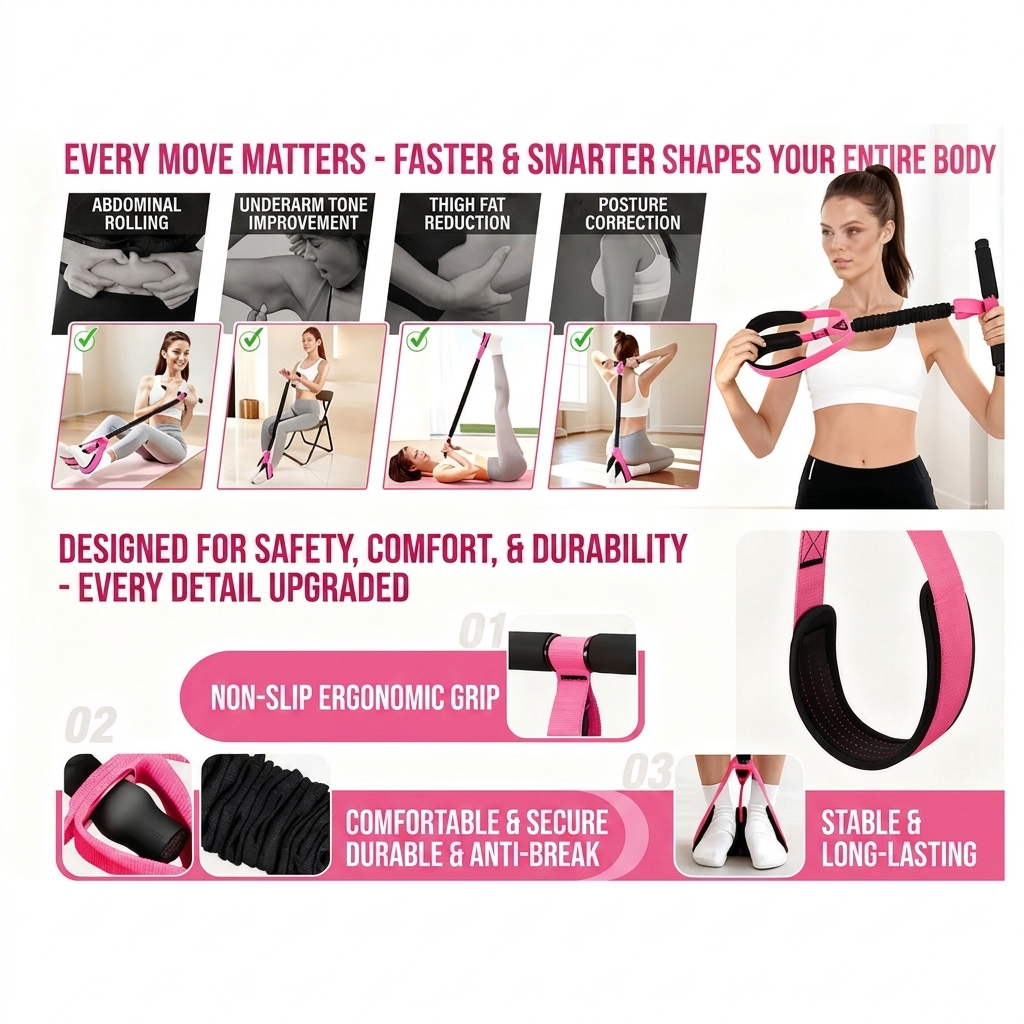
Figure 2: Even compact gear like our Multi-Function Pedal Puller can be integrated into smart home and studio ecosystems via IoT-enabled handles.
The ROI of Data: Why Facility Operators are Buying
The primary B2B selling point for smart equipment in 2026 is **Retention ROI.** By providing members with detailed performance history and personalized AI-driven workout plans, facilities reduce churn rates by an average of 18%. For the operator, the equipment isn’t just a cost—it’s a data-harvesting tool that informs equipment lifecycle management and personal training upselling strategies.
Conclusion: Navigating the 2026 Smart Wave
The wholesale gym equipment market is no longer just about selling steel and rubber; it is about selling results through data. For wholesalers, partnering with a manufacturer that can provide both the mechanical durability of traditional gear and the digital sophistication of IoT is the only way to remain relevant in the high-end commercial sector.
YK Fitness continues to lead the 2026 shift, delivering IoT-enabled strength solutions that empower facilities to build deeper, more profitable relationships with their members.
Ready to lead the Smart Fitness Revolution?
Explore our Smart Strength Range or Contact our Tech Integration Team to learn about OEM IoT solutions and facility-wide data platforms.