As we transition into the second half of 2026, the global B2B fitness equipment market is undergoing a fundamental transformation. For wholesalers, distributors, and large-scale facility operators, the criteria for selecting a manufacturing partner have shifted from a pure price-per-unit model to a comprehensive Sustainable Fitness Manufacturing framework. Today, **ESG (Environmental, Social, and Governance) Compliance** is no longer a corporate buzzword—it is the new competitive moat that defines market leadership for B2B importers.
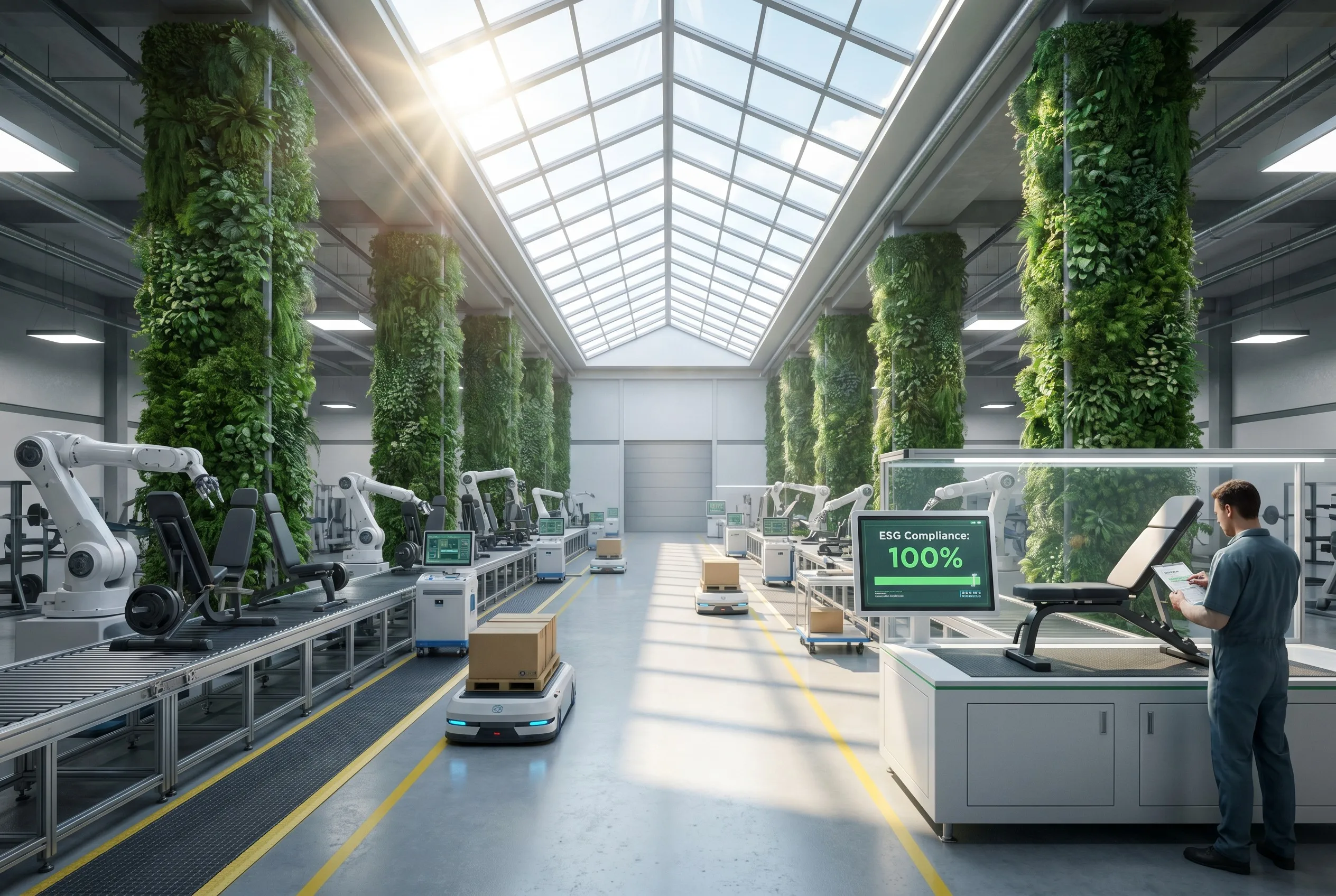
Figure 1: Modern fitness manufacturing in 2026 integrates robotic precision with vertical greenery and solar-powered energy systems for 100% ESG compliance.
The Regulatory Surge: Why ESG Matters Now
The urgency behind sustainable gym gear sourcing is primarily driven by shifting regulatory landscapes in key markets like Australia, the European Union, and North America. In 2026, new carbon-border adjustment mechanisms and supply chain transparency laws require B2B importers to provide detailed audits of their suppliers’ environmental impact.
For Australian wholesalers, compliance with these standards ensures a friction-free customs process and protects against the “reputational liability” of sourcing from non-compliant factories. YK Fitness has anticipated this shift, achieving full ESG certification for our 2026 manufacturing protocols, covering everything from renewable energy usage to ethical labor standards.
Three Pillars of Sustainable Fitness Sourcing in 2026
When evaluating a B2B fitness equipment manufacturer, professional buyers must focus on three core technical pillars that define high-yield, sustainable production.
1. Material Circularity: The Move to TPU and Natural Latex
The largest environmental impact of a gym machine comes from its material lifecycle. In 2026, the industry has largely abandoned toxic PVC in favor of TPU (Thermoplastic Polyurethane) and **Multi-Layer Dipped Natural Latex**. TPU is inherently phthalate-free and recyclable, while natural latex is a renewable resource with superior mechanical performance. Sourcing non-toxic materials isn’t just about the planet—it’s about user safety and equipment longevity in commercial environments.
2. Carbon-Neutral Manufacturing Processes
Modern B2B buyers now request “Carbon Footprint per Unit” reports. At YK Fitness, our 2026 assembly lines utilize closed-loop water systems and 100% solar energy for our robotic welding and precision-extrusion stations. This technical transparency allows our partners to market their gear as “Eco-Positive,” a major selling point for high-end boutique studios and green-certified hospitality chains.
3. Logistics-First Packaging Design
Sustainability and logistics are inextricably linked. By engineering products like our Commercial Abdominal Benches and Pilates Reformers for high-density, flat-pack shipping, we reduce the carbon intensity of international transport by up to 25%. This optimization lowers the “landed carbon cost” for Australian importers, directly aligning with their ESG reporting goals.
The ROI of Sustainability: Beyond Ethics
While the ethical case for ESG is clear, the B2B ROI of sustainable equipment is equally compelling. Data from 2026 facility audits shows that “Green-Sourced” gyms report 15% higher member acquisition rates among Gen-Z and Millennial demographics. Furthermore, equipment built with high-grade, non-toxic materials like TPU has a 40% longer service life compared to cheap synthetic alternatives, significantly reducing depreciation costs for the operator.
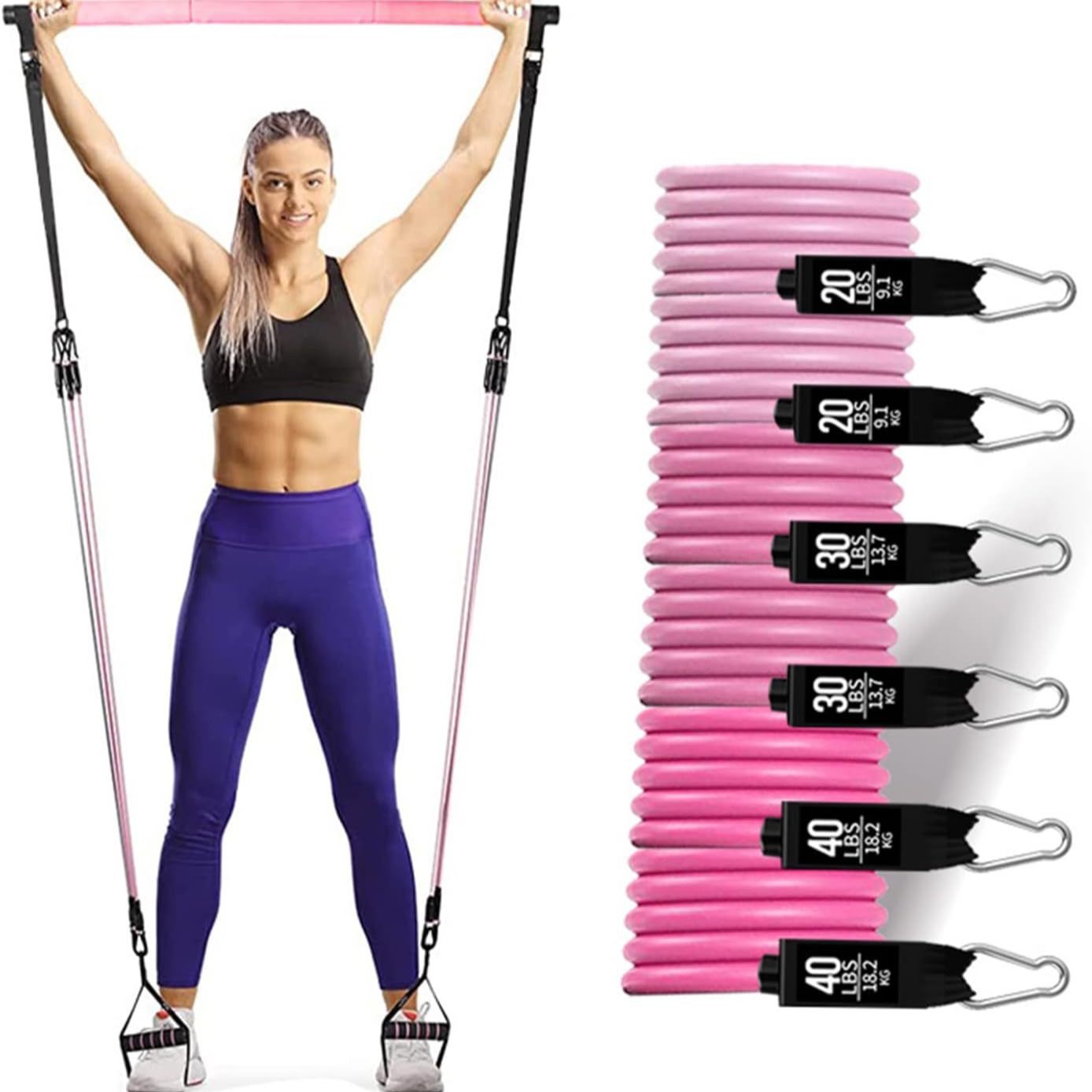
Figure 2: Our modular Pilates kits utilize non-toxic, eco-friendly materials to meet the 2026 Australian RCM and global ESG standards.
Navigating the Factory Audit: A B2B Checklist
As a B2B fitness equipment supplier, YK Fitness recommends that all distributors perform a “Sustainability Stress Test” on their partners. Key verification points include:
- Energy Source: Percentage of manufacturing power derived from renewable sources.
- Chemical Compliance: Absence of Phthalates, Lead, and Dioxins in all TPU and latex components.
- Waste Recovery: Evidence of closed-loop recycling for metal scraps and polymer runoff.
- Technical Transparency: Willingness to provide open-access factory audit logs and Certifications (ISO 14001, etc.).
Conclusion: The Future of Professional Sourcing
The 2026 B2B fitness industry has reached a tipping point. Sourcing gear is no longer a simple transactional act—it is a strategic alignment of values and technical standards. For wholesalers looking to dominate the Australian and global markets, partnering with an ESG-compliant manufacturer like YK Fitness is the most effective way to secure long-term market authority and profitability.
We remain at the forefront of the sustainable revolution, delivering the durability the industry demands with the responsibility the future requires.
Ready to build a Sustainable Fitness Brand?
Explore our ESG-Certified Commercial Range or Contact our B2B Sustainability Team to learn about our carbon-neutral manufacturing and non-toxic material science solutions.