As we move into the second half of 2026, the Australian fitness landscape is witnessing an unprecedented surge in the boutique studio sector. While traditional big-box gyms face saturation, the specialized Pilates market—specifically Reformer-based training—has become the primary driver of growth in urban centers like Sydney, Melbourne, and Brisbane. For B2B fitness equipment wholesalers and aspiring studio owners, the ability to source high-quality wholesale Pilates equipment is no longer just a procurement task; it is a strategic maneuver that determines long-term profitability and brand authority. This guide explores the technical, logistical, and financial nuances of the 2026 Australian Pilates market.
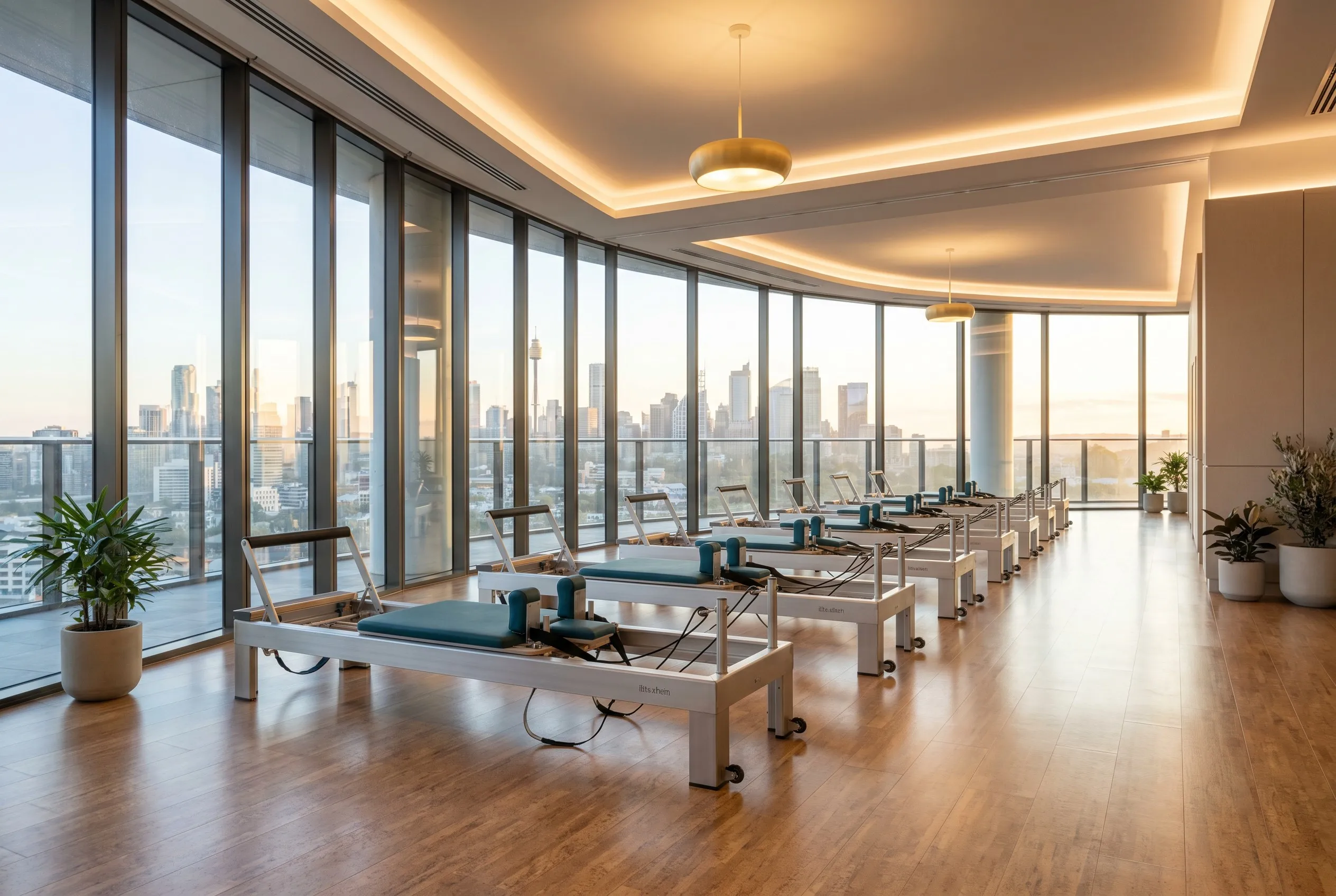
Figure 1: Premium boutique Pilates studios in Australia are prioritizing custom-colored reformers and high-density flooring for a luxury B2B aesthetic.
The Australian Boutique Surge: 2026 Market Context
The Australian consumer in 2026 is uncompromising regarding technical precision and environmental responsibility. Boutique studios have responded by shifting away from generic gear toward bespoke, high-performance equipment. Market analysis shows that Australian studios using commercial Pilates reformers with OEM customization report 28% higher member retention than those using mass-market alternatives. This is because, in a boutique environment, the equipment *is* the brand.
For a Pilates gear wholesaler, the opportunity lies in filling the gap between clinical-grade medical equipment and flimsy home-use machines. Professional studios require “Commercial-Grade” gear: equipment that can withstand 12+ classes a day, seven days a week, without mechanical degradation or loss of resistance calibration.
Material Science: The “Australian Standard” for 2026
When sourcing wholesale Pilates reformers for the Australian market, B2B buyers must prioritize materials that can handle the country’s diverse climate and high usage rates.
1. Brushed Aluminum vs. Solid Oak
In 2026, the trend has swung heavily toward brushed aerospace-grade aluminum. While wooden reformers provide a warm aesthetic, aluminum offers superior structural stability and is far easier to sanitize—a non-negotiable requirement for modern Australian hygiene protocols. YK Fitness utilizes robotic-welded aluminum frames that are lighter for logistics yet offer a higher weight capacity than traditional steel alternatives.
2. Multi-Layer Dipped Latex Resistance
The “soul” of a reformer is its resistance system. In 2026, we have moved beyond simple steel springs to integrated **multi-layer dipped natural latex** bands. This technology provides a progressive resistance curve that is smoother and quieter, enhancing the “flow” state members pay a premium for. For Australian importers, these bands are a major win: they are snap-resistant (increasing safety) and have a 40% longer lifespan in humid coastal environments compared to standard TPE or single-layer latex.
The Strategy of OEM Customization for Studios
A sea of generic black-and-grey reformers no longer suffices for a high-end Sydney studio charging $35+ per session. OEM customization is the ultimate competitive moat for wholesalers in 2026.
By partnering with a factory-direct manufacturer like YK Fitness, wholesalers can offer their Australian clients custom color-matching for upholstery and frames. Whether it’s a “Bondi Teal” or a “Melbourne Charcoal,” aligning the equipment’s visual identity with the studio’s interior design builds a sense of exclusivity that mass-market platforms cannot replicate. Our 2026 agile manufacturing pipeline allows for these customizations with MOQs as low as 50 units—perfect for independent boutique rollouts.
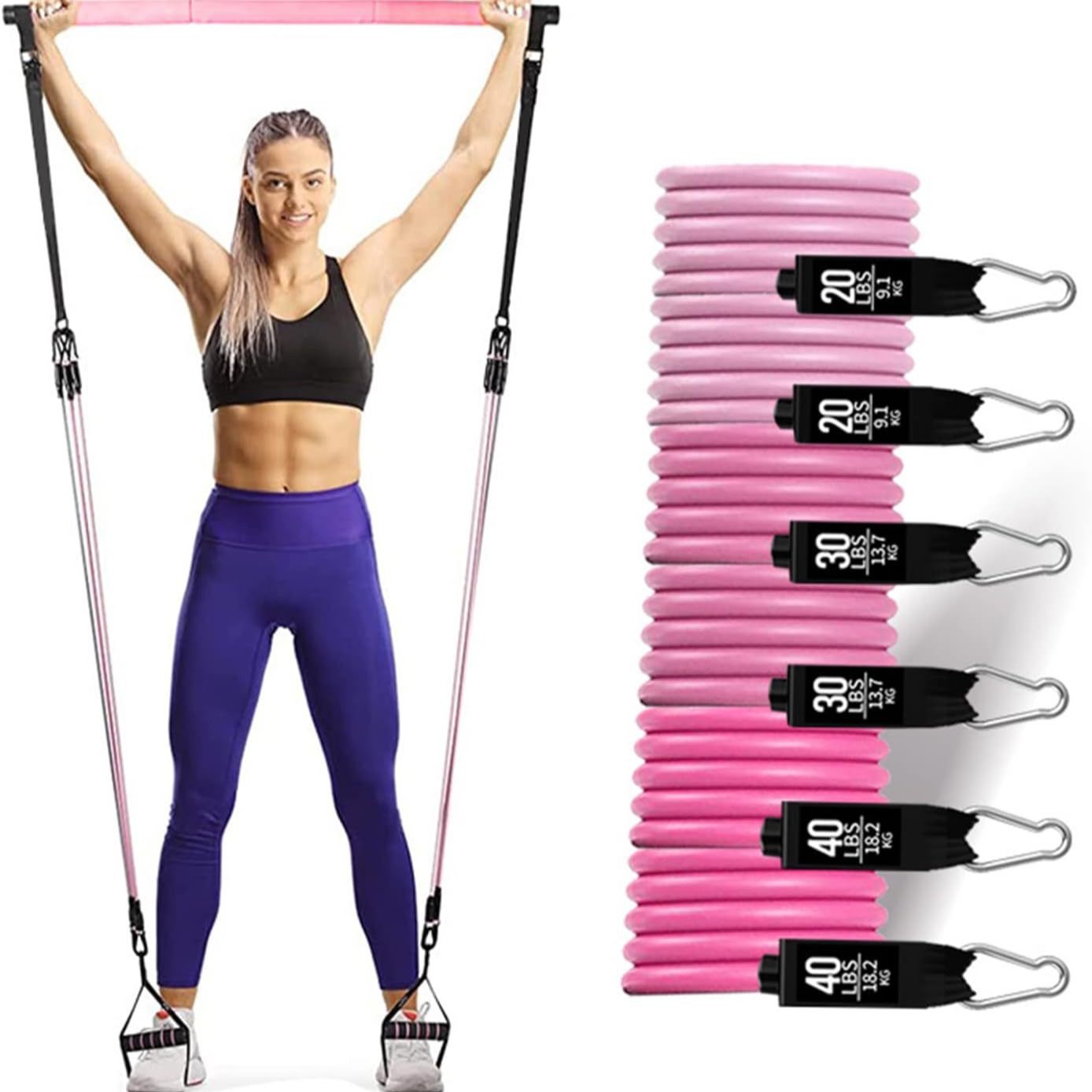
Figure 2: Modular tools like our Professional Pilates Bar Kit complement large reformers, allowing studios to maximize floor space and class variety.
Logistics and Landed Cost Control in Australia
Shipping bulky reformers to Australia remains one of the largest overheads for B2B buyers. In 2026, YK Fitness has solved this through **Flat-Pack Logistics Engineering**. By designing our reformers to be shipped in high-density modular sub-assemblies, we reduce the volumetric weight of a container by up to 30%.
For an Australian wholesaler, this means a significant reduction in the **Landed Cost**—the total price after freight, ChAFTA duties, and port fees. Furthermore, we provide full technical documentation to ensure compliance with Australian RCM (Regulatory Compliance Mark) and safety standards, protecting our partners from liability and ensuring a smooth customs experience.
Conclusion: Partnering for Australia’s Pilates Future
The Australian Pilates market of 2026 is driven by technical excellence, brand alignment, and logistical efficiency. For wholesalers, success requires more than just a supplier; it requires a manufacturing partner that understands the Australian boutique studio’s unique demands.
YK Fitness remains at the forefront of this industry, providing the high-durability materials and OEM flexibility needed to dominate the premium boutique sector.
Ready to source for the Australian Boutique Market?
Explore our 2026 Commercial Pilates Range or Contact our Australian B2B Team to discuss custom OEM solutions and flat-pack logistics strategies.