As the global economy enters the second half of 2026, the commercial fitness sector is characterized by aggressive cross-border expansion. Large-scale gym franchises are no longer content with regional dominance; they are racing to plant flags in emerging markets across Southeast Asia, the Middle East, and Australia. For these multi-national operators, the primary operational bottleneck isn’t member acquisition—it’s equipment standardization. This guide explores how global fitness franchises are leveraging standardized OEM fitness sourcing to achieve rapid scalability and consistent brand experiences across thousands of locations.
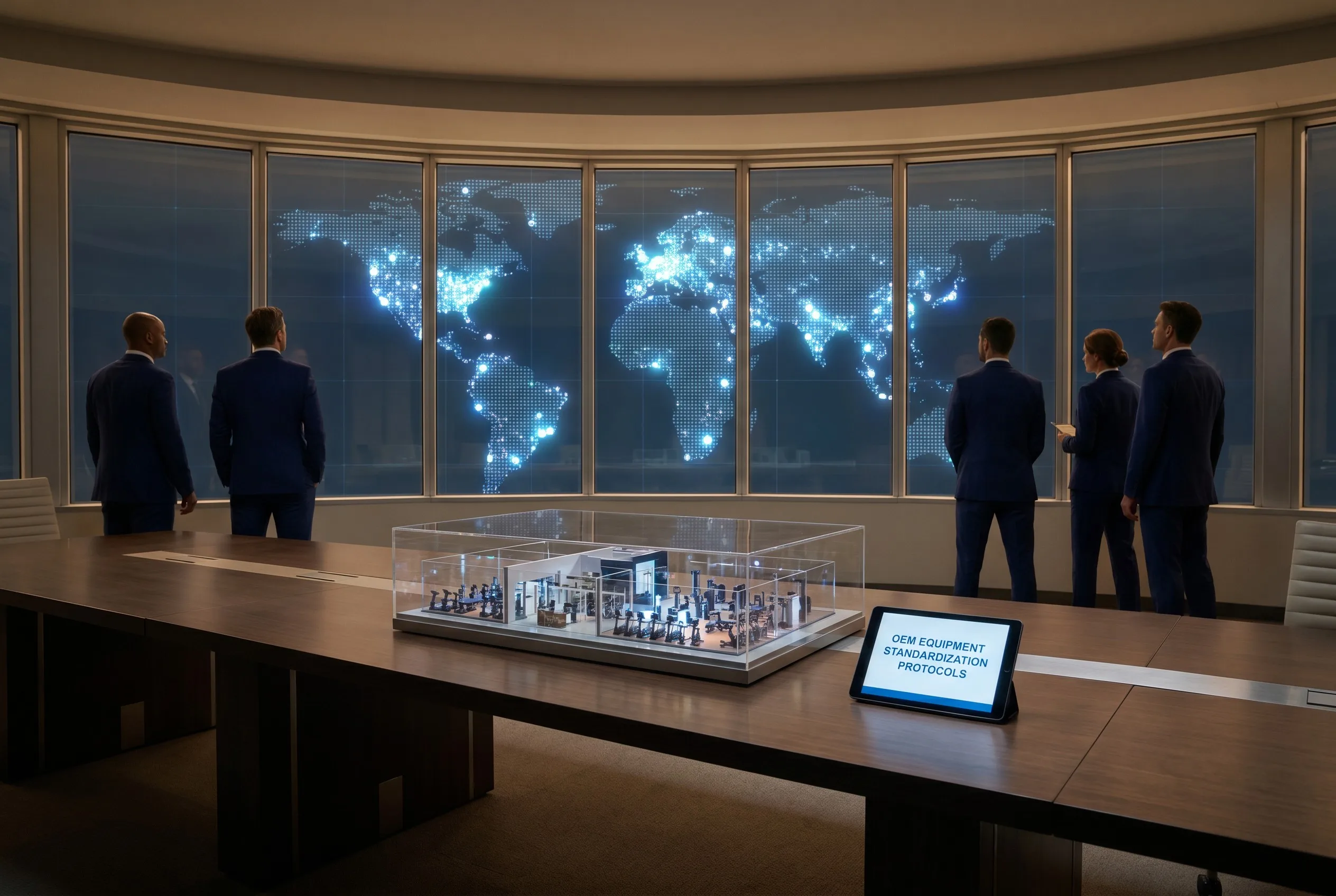
Figure 1: Global franchise success in 2026 depends on standardized OEM equipment protocols that ensure brand consistency across all global nodes.
The Franchise Scalability Challenge: Brand Dilution vs. Operational Speed
The core promise of a global fitness franchise is predictability. A member walking into a gym in Sydney should have the same tactile and bio-mechanical experience as they do in London or New York. However, sourcing from local, non-standardized vendors often leads to brand dilution. Variations in equipment frame thickness, upholstery texture, and resistance calibration erode the professional brand identity.
In 2026, the industry has solved this through “Standardized OEM Master Agreements.” By partnering with a factory-direct manufacturer like YK Fitness, global franchises can lock in a technical specification for their entire network. This ensures that every commercial abdominal bench and functional station meets the exact same high-tensile steel and TPU coating standards, regardless of the deployment geography.
The Benefits of OEM Standardization for B2B Importers
Standardizing your equipment roster isn’t just about aesthetics; it is a profound financial strategy that optimizes every layer of the supply chain.
1. Massive Economies of Scale
By consolidating a global equipment list into a few standardized OEM designs, franchises can leverage massive bulk-purchase power. Standardized production runs allow manufacturers to optimize raw material procurement (such as high-grade TPU and multi-layer latex), reducing the per-unit cost by up to 20% for large-scale B2B buyers.
2. Simplified Global Logistics and Spare Parts Inventory
One of the largest hidden costs of global expansion is maintenance. In a fragmented equipment environment, keeping spare parts for 50 different machine models across 10 countries is a logistical nightmare. OEM standardization allows for a universal spare part inventory. A single replacement cable or handle set can be stocked centrally and shipped to any location, minimizing downtime and maximizing facility ROI.
3. Accelerated Time-to-Market
Standardized equipment sets allow for “Plug-and-Play” facility launches. Franchises can utilize pre-calculated container layouts and Flat-Pack Engineering protocols to ship an entire gym set in a single 40ft HQ container. This modular approach reduces the installation phase from weeks to days, allowing operators to start generating membership revenue much faster.
Material Science as a Global Standard
In 2026, material compliance is a non-negotiable part of the global sourcing checklist. Standardizing on high-grade materials like TPU (Thermoplastic Polyurethane) ensures that the franchise meets the strict ESG and safety regulations of Australia (RCM), the EU (CE), and North America simultaneously.
- Durability: Standardized TPU surfaces offer consistent 24/7 wear resistance across all global locations.
- Safety: Multi-layer dipped latex resistance bands provide a unified safety factor, protecting the brand from liability claims worldwide.
- Tactile Brand Signature: A custom-textured TPU finish becomes a sensory touchpoint for the brand, reinforcing the luxury B2B positioning.
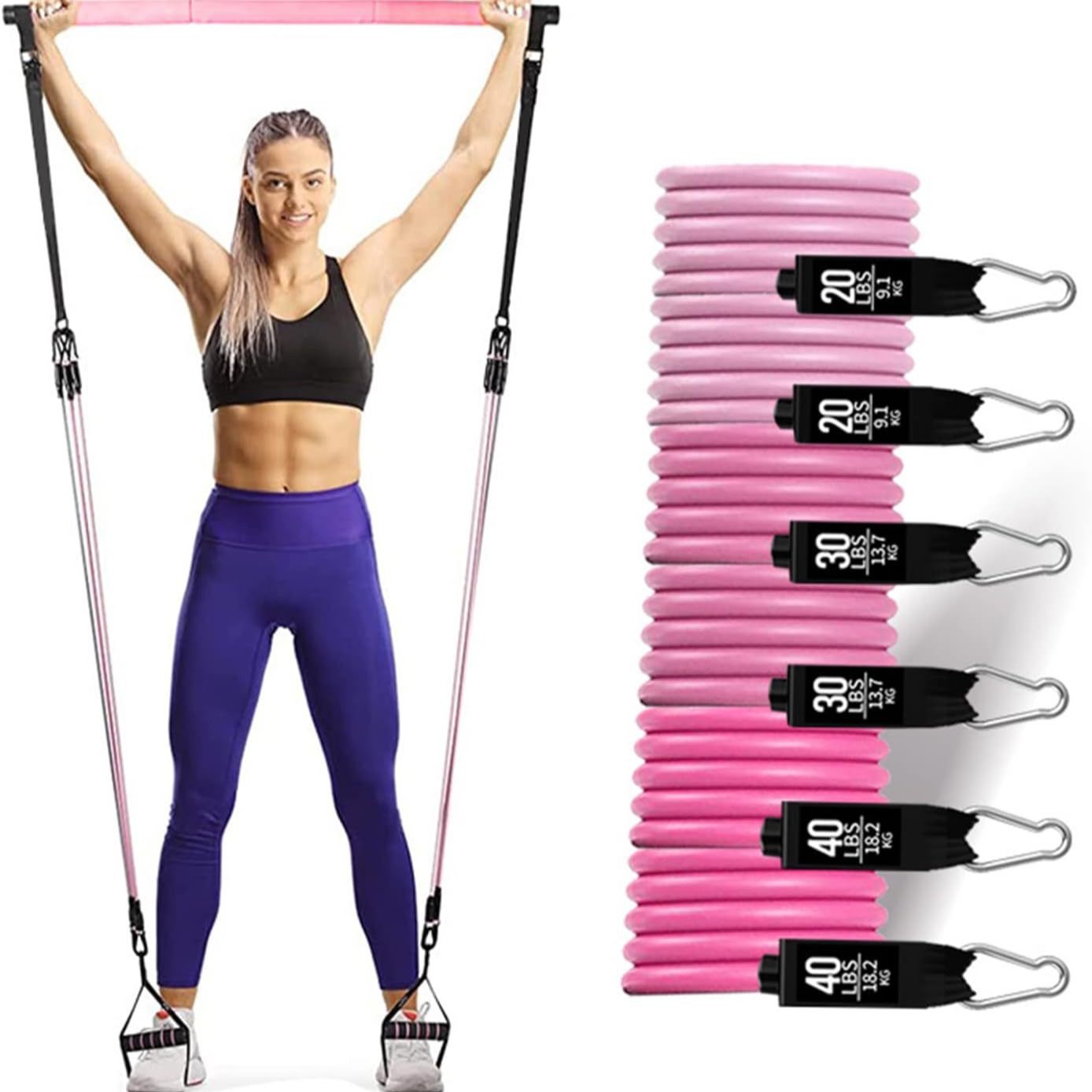
Figure 2: High-yield tools like our Pilates Bar Kit are ideal for global franchise standardization due to their modularity and low logistics footprint.
Strategies for Executing a Global Sourcing Roadmap
As a B2B fitness equipment manufacturer, YK Fitness recommends that global franchises implement a three-tier sourcing roadmap:
- Technical Specification Locking: Define the exact material grades, biomechanical pivot points, and color palettes that represent the brand.
- Consolidated Factory Auditing: Ensure the OEM partner holds unified ISO and ESG certifications that satisfy all target market regulations.
- Regional Logistics Hubs: Work with an OEM partner capable of managing regional distribution to minimize landed costs and lead times.
Conclusion: Standardizing for Dominance
The winners of the 2026 fitness race will not be the brands with the most machines, but the ones with the most efficient, standardized, and scalable systems. For global franchises, OEM equipment standardization is the engine of growth. By partnering with a factory that understands the technical precision and logistical complexity of cross-border expansion, wholesalers and franchise owners can secure their place at the top of the global market.
YK Fitness remains the trusted technical partner for the world’s most ambitious fitness brands, providing the standardized excellence the industry demands.
Ready to Scale Your Fitness Franchise?
Explore our Standardized Commercial Range or Contact our Global Franchise Team to discuss custom OEM standardization and global logistics solutions.