In the high-stakes world of commercial fitness, every square meter of a facility must contribute to the bottom line. While often overlooked, the flooring is the most critical technical foundation of any gym. As we navigate the B2B trends of 2026, the shift toward commercial gym flooring that prioritizes acoustic management, equipment longevity, and member safety has reached a peak. For wholesalers and facility operators, sourcing high-density rubber and TPU (Thermoplastic Polyurethane) flooring is no longer a luxury—it is a strategic investment in long-term ROI. This guide explores the technical imperatives of flooring procurement in 2026.
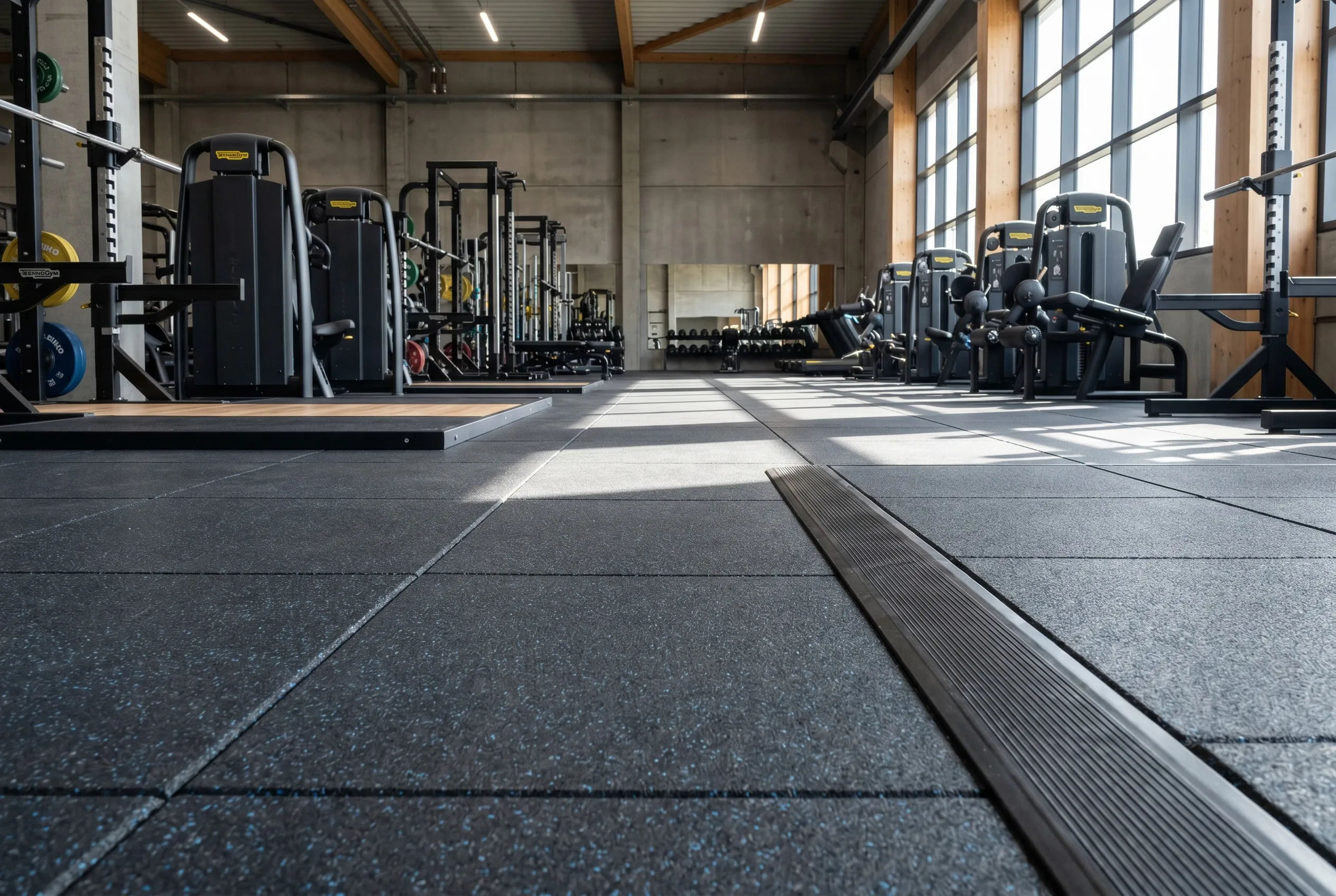
Figure 1: Premium 2026 gym flooring combines high-density rubber for impact absorption with TPU accents for hygiene and brand alignment.
The Foundation of ROI: Why Flooring Matters for B2B Importers
In 2026, “Landed Cost” isn’t the only metric B2B buyers should care about. The Total Cost of Ownership (TCO) of a fitness facility is heavily influenced by the flooring. Inferior flooring leads to increased equipment vibration, which accelerates mechanical wear on expensive strength machines and cardio gear.
YK Fitness has identified that facilities using high-density (1000kg/m³+) rubber flooring report 15% lower equipment maintenance costs. For a gym equipment wholesaler, providing a flooring solution that protects the “iron” you sell is a powerful value-add that builds long-term customer trust.
Material Science: The Rise of TPU in Gym Surfaces
While recycled rubber remains the industry workhorse, 2026 has seen the emergence of **TPU hybrid flooring** as the preferred choice for premium boutique studios and recovery zones.
1. Superior Hygiene and Antimicrobial Properties
Unlike porous lower-grade rubber, TPU is inherently non-porous. In a post-pandemic 2026 market, hygiene is a top member concern. TPU surfaces prevent the absorption of sweat and bacteria, making them easier to sanitize and significantly reducing the “old gym smell” that plagues traditional facilities. For Australian wholesalers, sourcing hygienic gym flooring is a major differentiator in the high-end boutique sector.
2. Acoustic Management: The “Quiet Gym” Trend
As commercial gyms increasingly move into mixed-use urban developments in cities like Sydney and Melbourne, noise complaints are a real business risk. High-density rubber with integrated TPU underlays provides superior sound dampening, allowing heavy weights to be dropped without disrupting neighboring businesses. Acoustic gym flooring is now a standard requirement for 2026 B2B facility audits.
Durability and ESG Compliance: 2026 Procurement Mandates
In 2026, sustainability is a core technical requirement. B2B importers must ensure their flooring partners meet strict **ESG (Environmental, Social, and Governance)** standards.
- Non-Toxic Sourcing: Professional flooring must be phthalate-free and VOC (Volatile Organic Compound) compliant. Sourcing from factory-direct partners like YK Fitness ensures that every tile meets the 2026 Australian RCM and global safety regulations.
- Recyclability: TPU is 100% recyclable, unlike bonded rubber which often ends up in landfills. This circular material lifecycle is a key selling point for green-certified facilities.
- Impact Resistance: Our 2026 range of high-density rubber is engineered to withstand over 20,000 “drop cycles” from a 50kg load without permanent indentation.
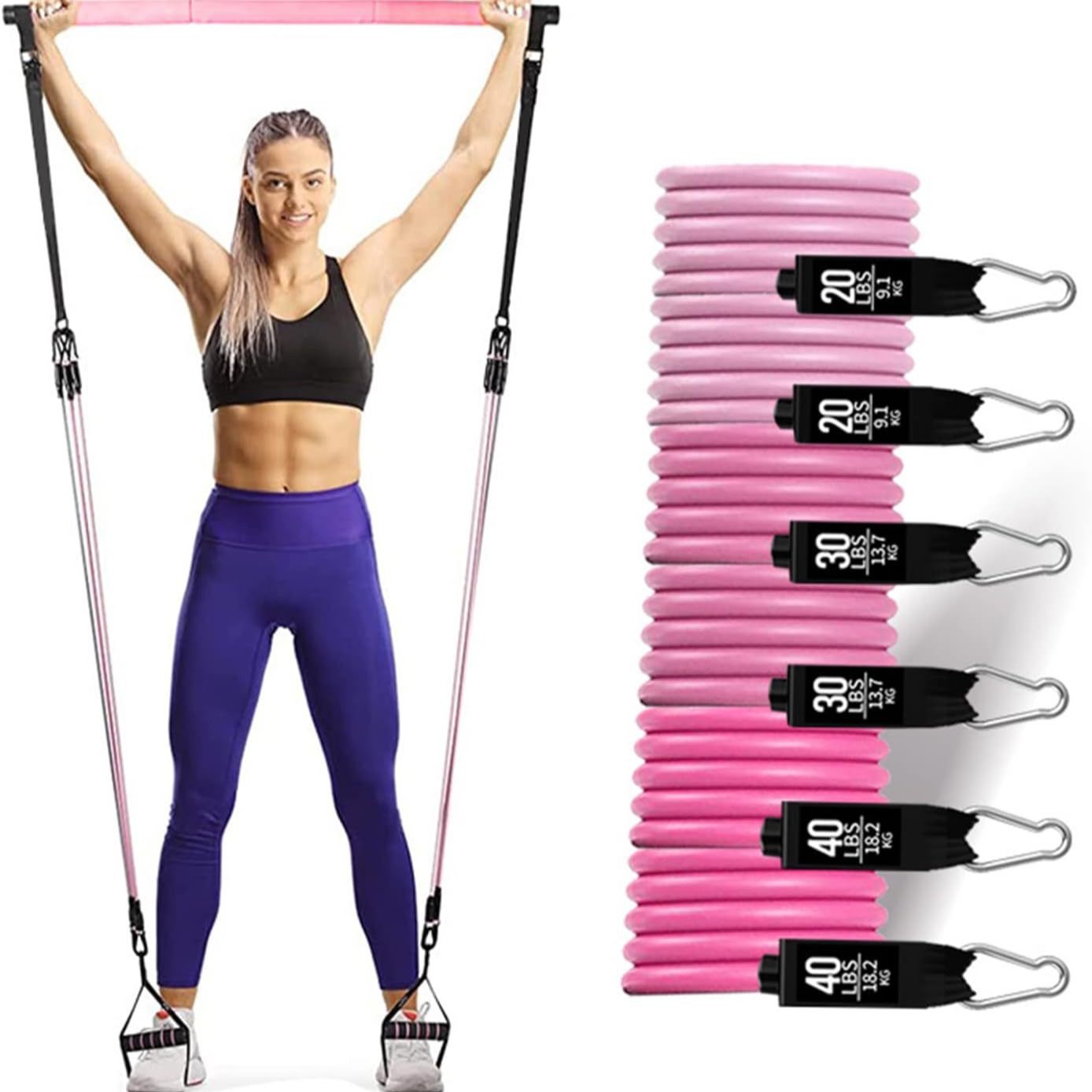
Figure 2: The same TPU technology used in our flooring protects the delicate handles and resistance components of our Pilates kits.
Strategies for Sourcing Standardized Flooring
As a B2B fitness equipment manufacturer, YK Fitness recommends a three-step verification process for flooring procurement:
- Density Verification: Always request a density report (kg/m³). Avoid anything below 950kg/m³ for commercial strength zones.
- Custom Color & Branding: Leverage OEM flooring customization to embed studio logos or directional markings directly into the tiles. This builds brand authority and improves member “flow.”
- Logistics Engineering: Flooring is heavy. Work with a partner that understands container volume optimization to minimize the landed cost of these high-weight items.
Conclusion: Building on a Solid Foundation
The winners of the 2026 fitness race are those who understand that the gym is a complex bio-mechanical and acoustic system. For B2B buyers, sourcing standardized, high-density flooring is the most effective way to protect their capital equipment investment and enhance the member experience.
YK Fitness continues to lead the 2026 material revolution, providing our partners with the foundational excellence needed to build high-ROI fitness spaces.
Ready to upgrade your facility foundation?
Explore our 2026 High-Density Flooring Range or Contact our B2B Sourcing Team to learn about custom OEM flooring solutions and Australian logistics.