As we advance into the second half of 2026, the convergence of clinical physical therapy and traditional fitness training has created a high-growth niche for B2B fitness equipment wholesalers. Rehabilitation centers, clinical Pilates studios, and specialized recovery hubs are no longer satisfied with standard gym gear; they require equipment that meets a higher threshold of clinical compliance and material safety. For wholesalers looking to dominate this sector, understanding the technical nuances of medical-grade fitness gear is the ultimate competitive advantage. This guide explores the strategic imperatives for sourcing B2B fitness equipment for rehabilitation in 2026.
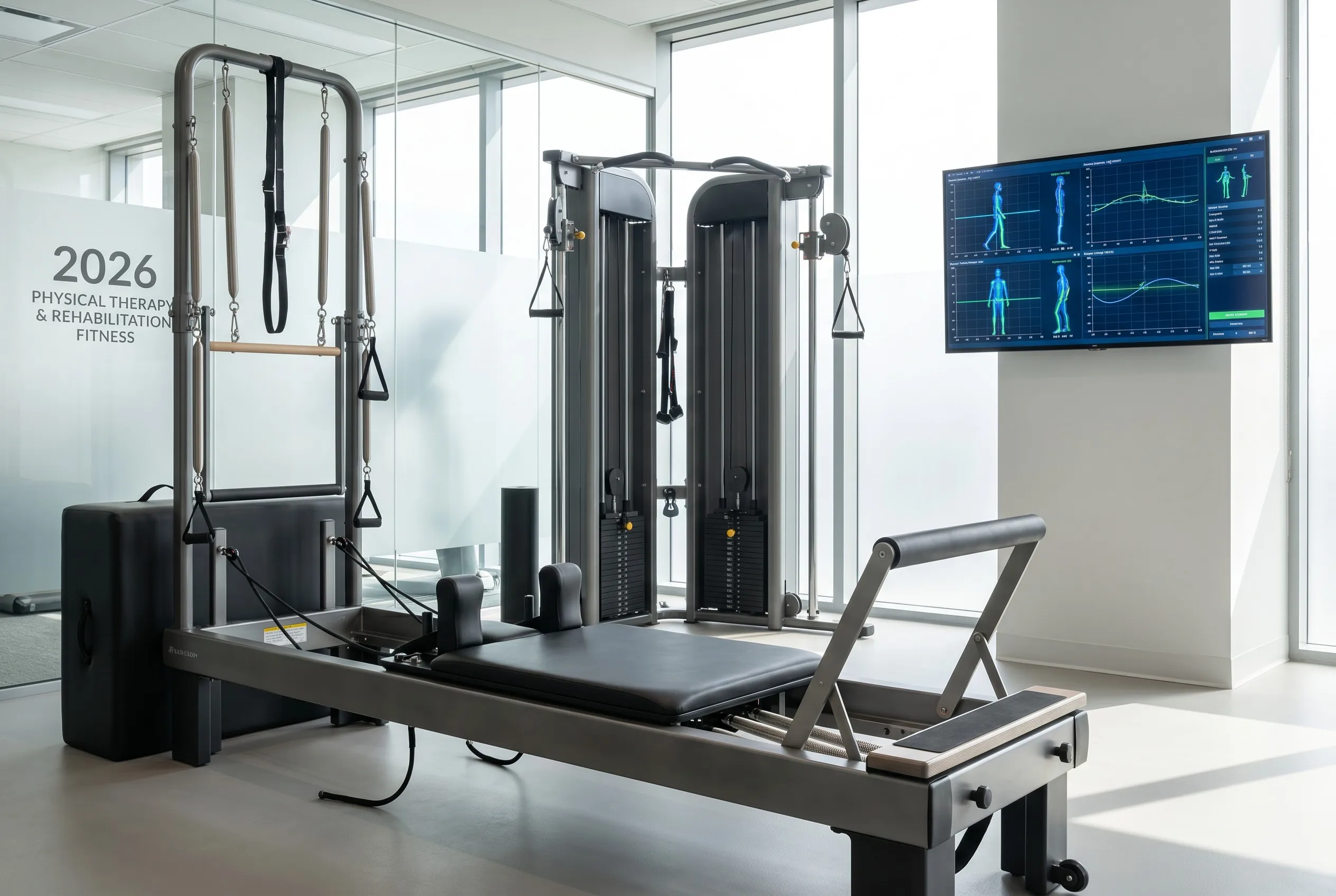
Figure 1: High-end recovery and rehabilitation zones in 2026 prioritize bio-mechanical alignment and medical-grade materials.
The Surge in Clinical Fitness: 2026 Market Intelligence
The Australian and global markets in 2026 are characterized by an aging population and a rise in “active recovery” trends. Market data indicates that rehabilitation-centric fitness gear has seen a 22% increase in B2B demand year-over-year. However, sourcing for a clinical environment is fundamentally different from a commercial gym. These facilities operate under strict liability frameworks, meaning equipment must offer superior predictability, micro-adjustability, and hypoallergenic materials.
For a rehab equipment wholesaler, the value proposition is “Safety as a Standard.” Providing gear that is certified for clinical use—specifically items like adjustable Pilates reformers and variable-resistance functional trainers—allows you to tap into high-margin institutional contracts that are immune to mass-market price wars.
Three Technical Pillars of Rehab Equipment Sourcing
When evaluating professional fitness gear for physical therapy, B2B buyers must prioritize three core technical dimensions:
1. Micro-Adjustability and Progressive Resistance
In rehabilitation, the ability to increment resistance in tiny, reproducible stages is critical. Standard gym machines often have too large a “jump” between weight plates. 2026-ready rehab gear utilize multi-layer dipped natural latex bands or specialized variable-friction pulleys that allow for resistance increments as small as 0.5kg. This allows therapists to safely challenge patients without risking re-injury.
2. Hypoallergenic and Non-Porous Materials
Hygiene is the #1 priority in a 0-downtime clinical setting. Traditional PVC and low-grade rubbers are too porous and can trap bacteria. At YK Fitness, our 2026 clinical range utilizes TPU (Thermoplastic Polyurethane) for all contact surfaces. TPU is inherently antimicrobial, odorless, and resistant to medical-grade disinfectants, ensuring the facility meets the strict Australian safety and hygiene standards.
3. Biomechanical Predictability
Clinical equipment must respect the natural pivot points of the human musculoskeletal system. For B2B buyers, this means verifying the frame engineering of wholesale abdominal benches and reformers. Robotic-welded frames ensure that the machine’s path of motion never deviates, providing the therapist with a stable, predictable platform for patient assessment.
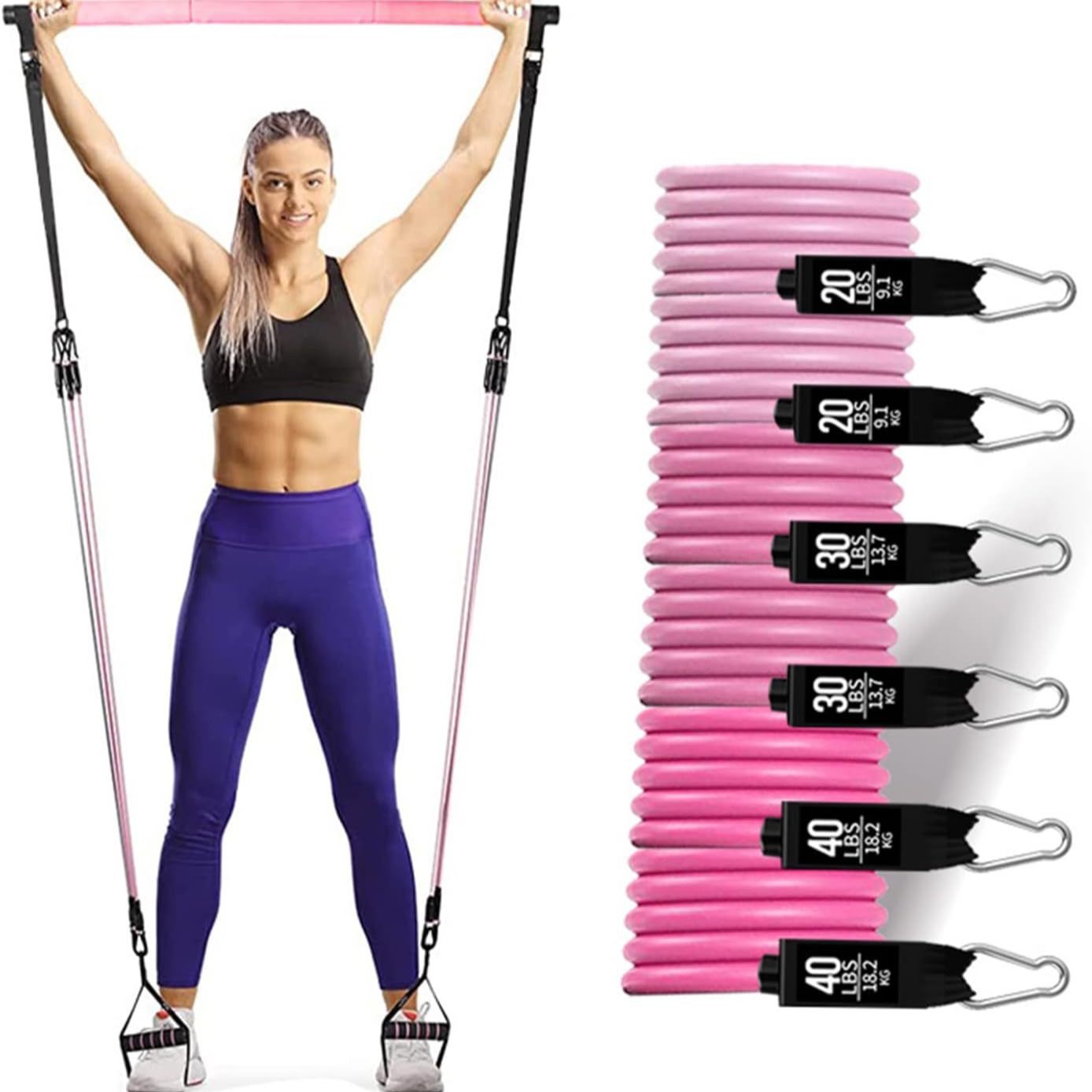
Figure 2: Modular tools like our Professional Pilates Bar Kit are essential for progressive resistance training in rehabilitation centers.
Navigating Australian Compliance for 2026
Sourcing gear for the Australian physical therapy market requires more than just high-quality manufacturing. It requires strict adherence to **RCM (Regulatory Compliance Mark)** and therapeutic goods standards. B2B importers must ensure their OEM partner provides:
- Chemical Safety Certificates: Evidence that all TPU and latex components are Phthalate-free and non-toxic.
- Load Capacity Verification: Technical reports confirming that frames can withstand 3x the rated capacity without structural fatigue.
- Landed Cost Optimization: Utilizing **Flat-Pack Engineering** to minimize the shipping costs of bulky reformers and benches while ensuring ease of clinical assembly.
The ROI of Quality in Rehab Sourcing
The B2B buyer in the clinical sector is focused on the **Long-Term Performance Moat.** High-quality gear that doesn’t snap, crack, or lose calibration pays for itself within the first 12 months through reduced maintenance and higher patient throughput. Furthermore, equipment that aligns with a luxury B2B aesthetic helps clinics attract a higher-paying demographic looking for “premium” recovery experiences.
Conclusion: Partnering for Clinical Excellence
The wholesale fitness market of 2026 is increasingly segmented. Winning in the rehabilitation and physical therapy sector requires a partnership with a manufacturer that understands both the mechanics of fitness and the requirements of medicine.
YK Fitness continues to lead the 2026 shift, delivering the technical precision and material safety required to build the world’s most effective recovery environments.
Sourcing for a Rehabilitation Project?
Explore our Clinical Recovery Range or Contact our B2B Compliance Team to discuss your clinical sourcing and OEM customization needs.