The fitness industry is undergoing a structural shift. As real estate costs rise and consumer preferences lean toward flexibility, gym owners and fitness distributors are re-evaluating their inventory strategies. In 2026, the key to maximizing gym profitability isn’t just about heavy iron and rows of treadmills—it’s about the strategic integration of portable fitness equipment.
Why Portable Equipment is the Smartest B2B Investment in 2026
For B2B buyers, the math is simple. Heavy equipment requires high upfront costs, significant maintenance, and large floor space. Portable gear, on the other hand, offers a high return on investment (ROI) due to its lower cost per unit, minimal maintenance, and versatility in diverse training environments (personal training, small group classes, and retail sales).
Wholesalers are increasingly looking for wholesale gym gear that bridges the gap between commercial quality and home convenience. Products like the Professional Pilates Bar Kit allow gym owners to offer high-intensity strength classes without the need for fixed cable machines, effectively increasing the ‘revenue per square foot’ of their facility.
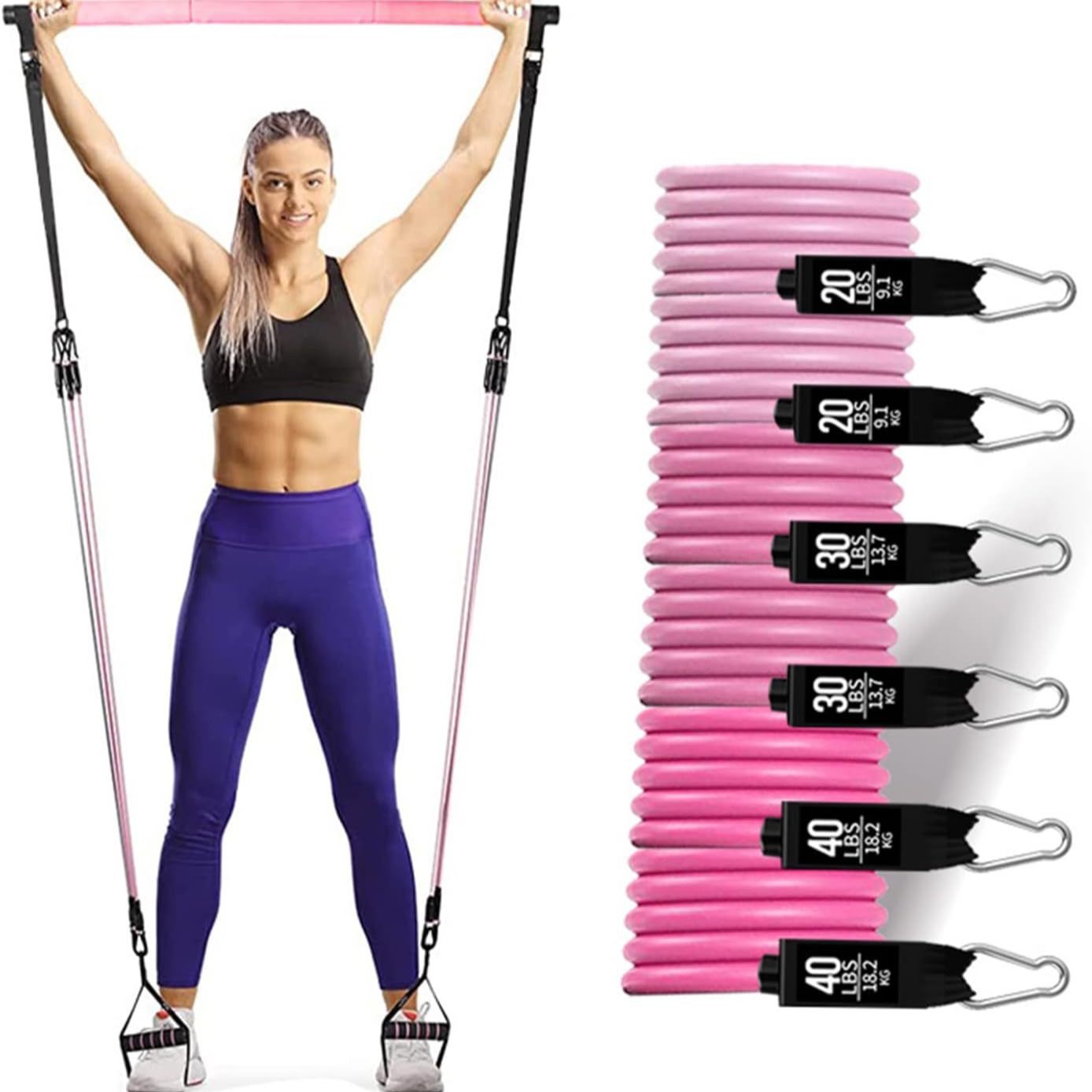
Portable strength tools provide commercial-grade resistance with zero footprint.
Lowering Overhead: The Maintenance-Free Advantage
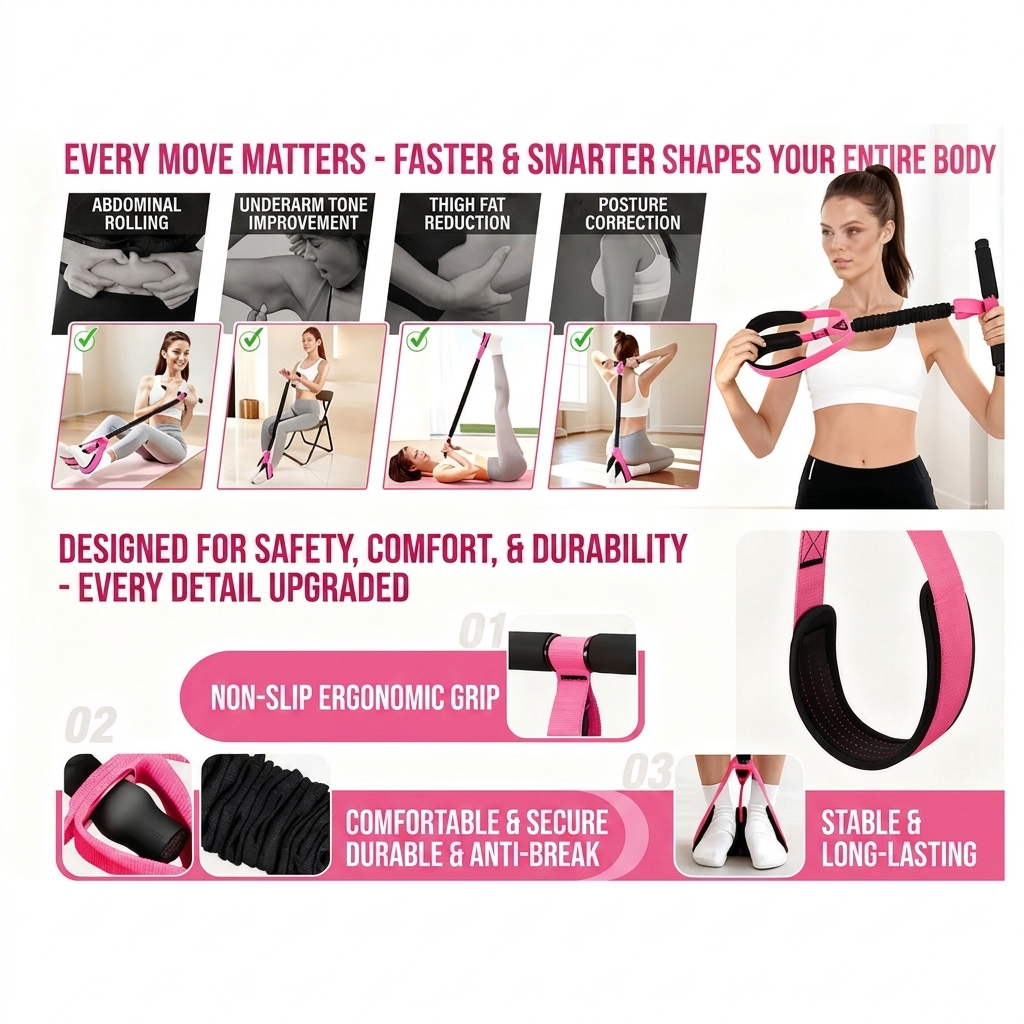
One of the most overlooked factors in gym profitability is the hidden cost of maintenance. Treadmills require motor service; cable machines need pulley and wire replacements. In contrast, high-quality resistance bands and mechanical tools like the Foot Pedal Resistance Puller are virtually maintenance-free. For a distributor, this means fewer warranty claims and higher customer satisfaction.
Expanding Revenue Streams: Retail and Home-Gym Bundles
Modern gyms are no longer just places to sweat—they are hubs for fitness lifestyle products. By stocking compact fitness equipment, gym owners can create an additional revenue stream through on-site retail. B2B buyers can curate “Transformation Packs” that include a mat, a resistance band set, and a Multi-Function Pedal Puller, encouraging members to stay consistent at home or while traveling.
Adaptability to Modern Fitness Trends: Small Group Training (SGT)
Small Group Training is one of the fastest-growing trends in the industry because it combines the personalization of 1-on-1 coaching with the community of a group class. Portable fitness tools are essential for SGT. A single instructor can lead a class of 10 people in a 500 sq ft room using nothing but pilates bars and folding benches. The Pradai Folding Ab Bench is perfect for this—it provides the stability needed for heavy lifting but can be stacked away in seconds to clear the floor for cardio blocks.
The Logistics Factor: Reducing Landed Costs
For international wholesalers, sourcing fitness equipment from China often involves high shipping costs for heavy, bulky items. Portable equipment solves this logistical bottleneck. You can fit thousands of resistance bands or hundreds of disassembled pilates bars into a single 20ft container, drastically lowering the ‘landed cost’ per unit and allowing for more competitive wholesale pricing.
Building Brand Authority through OEM Customization
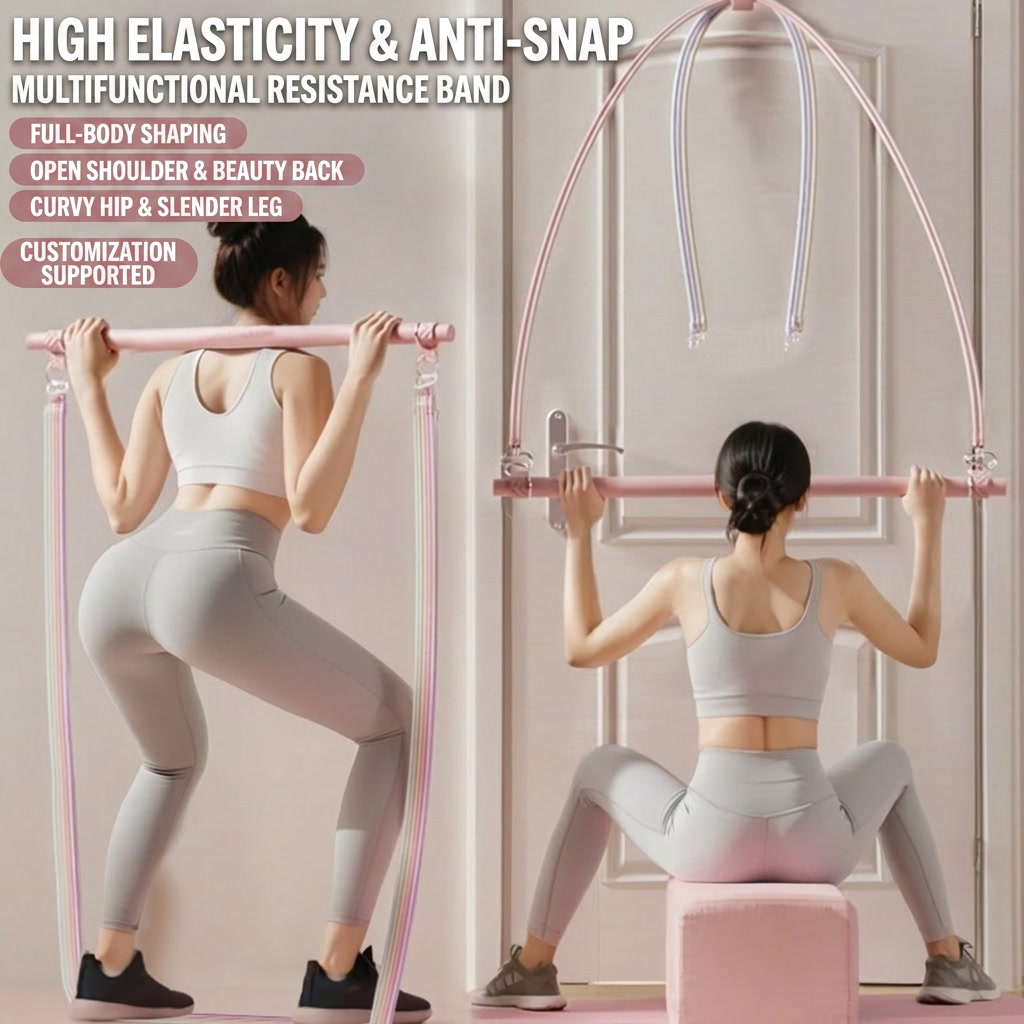
For distributors looking to dominate a local market, OEM fitness equipment is the path to long-term authority. By placing your brand on high-performance portable gear, you create a cohesive ecosystem that members recognize. YK Fitness supports B2B partners with low MOQs (starting at 50 units) for custom branding on our most popular portable lines, including resistance kits and pedal trainers.
Conclusion: The Future of Fitness is Flexible
Maximizing gym profitability in 2026 requires a departure from traditional, rigid inventory models. By investing in portable fitness equipment, B2B buyers gain a competitive edge through lower overhead, increased versatility, and better logistics. Whether you are a gym owner looking to expand your classes or a wholesaler building a brand, compact gear is the foundation of a modern, profitable fitness business.
FAQ: Investing in Portable Fitness Gear for B2B
1. Is portable equipment durable enough for commercial gym use?
Yes, provided you source “Commercial-Grade” portable gear. Products with reinforced steel cores (like our pilates bars) and high-density latex bands are designed specifically for high-frequency use in professional environments.
2. What is the typical ROI for portable equipment versus fixed machines?
While results vary, portable equipment often pays for itself within 3-6 months through retail sales or class fees, whereas fixed machines can take 12-24 months to break even.
3. Do you offer bulk discounts for gym franchises?
Absolutely. YK Fitness specializes in high-volume B2B orders and tiered pricing for gym franchises and international distributors. Contact our WhatsApp at +86 17855895504 for a custom quote.