The Intersection of Strength and Intelligence: Fitness in 2026
In the rapidly evolving landscape of 2026, the term “smart fitness” has moved far beyond high-end stationary bikes with screens. For B2B fitness equipment importers and wholesalers, the most significant shift is happening in the most portable of tools. The integration of IoT (Internet of Things) sensors into resistance bands, pilates bars, and pedal pullers is revolutionizing how consumers track progress and how gyms manage member engagement.
As a leading professional fitness equipment manufacturer, YK Fitness is at the forefront of this digital transformation. We aren’t just making gear; we are creating data-driven ecosystems. In this deep dive, we explore how smart portable fitness technology is solving the “engagement gap” and creating massive new revenue streams for wholesale fitness brands in 2026.
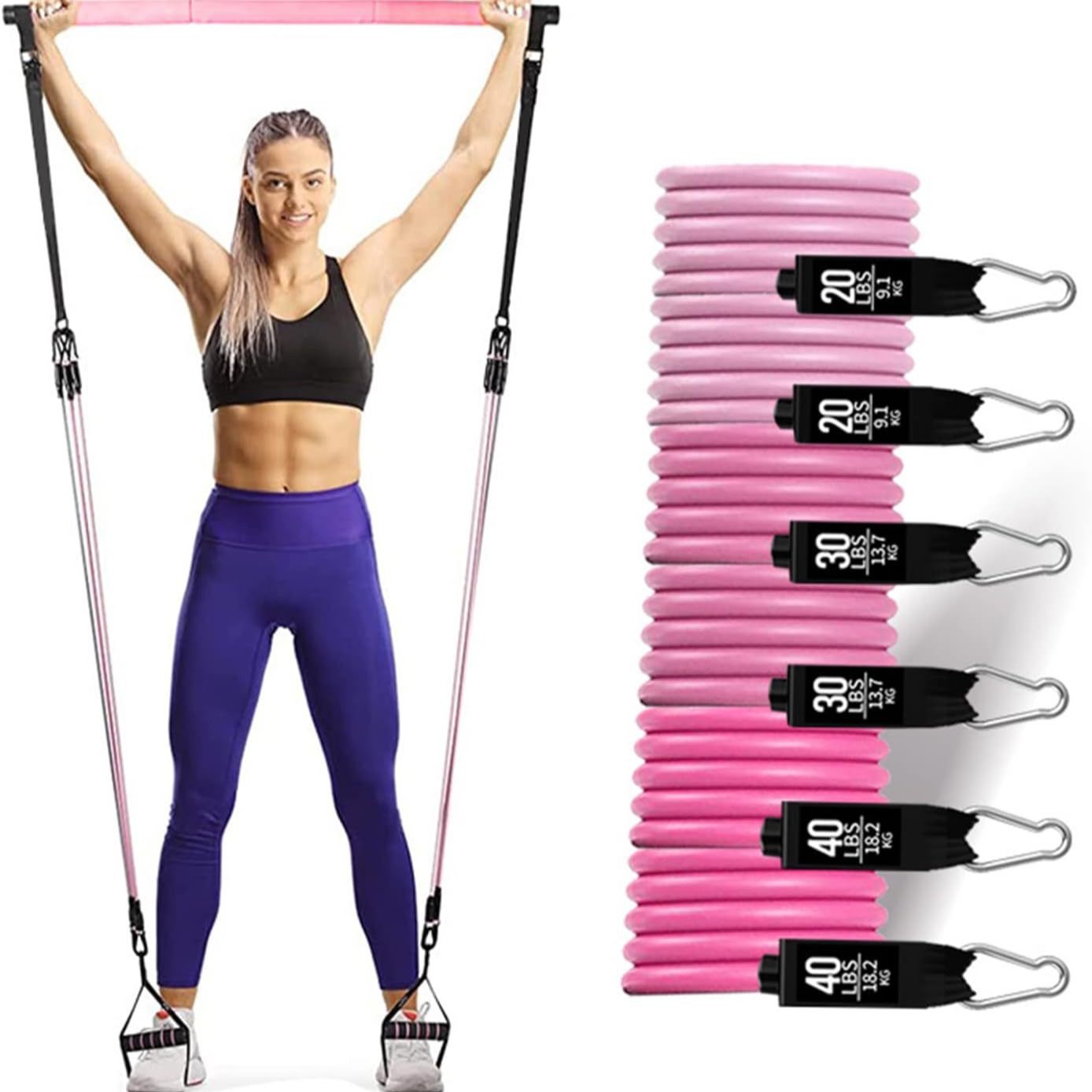
Figure 1: Traditional tools like the Professional Pilates Bar are now being paired with sensor-embedded bands for real-time tracking.
1. The Evolution of Resistance: From Analog to Digital
For years, the biggest challenge with portable home gym equipment was tracking performance. Unlike a weight stack on a machine, it was difficult to quantify exactly how much tension was being used in a resistance band session. In 2026, strain gauge sensors embedded directly into the handles of our Professional Pilates Bars have changed the game.
These sensors communicate via Bluetooth to smartphone apps, providing users with live feedback on total volume (pounds/kg moved), eccentric vs. concentric time-under-tension, and even form correction. This data-driven resistance training is the primary driver behind the 20% increase in B2B smart gear orders we’ve observed this year.
2. IoT in Portable Gear: More Than Just Rep Counting
True IoT fitness equipment goes beyond simple rep counting. In 2026, the value is in the fitness ecosystem. When a user buys a Multi-Function Pedal Puller with integrated sensors, they aren’t just buying a piece of rubber; they are buying a digital coach.
- Gamification: Users can compete in global leaderboards for “most pulling volume” or “consistency streaks.”
- Adaptive Loading: The app can suggest adding an extra band or increasing resistance based on the user’s velocity data—something previously only possible with a human trainer.
- Brand Loyalty: For OEM fitness brands, these apps provide a direct-to-consumer communication channel, allowing for new program releases and product upsells.
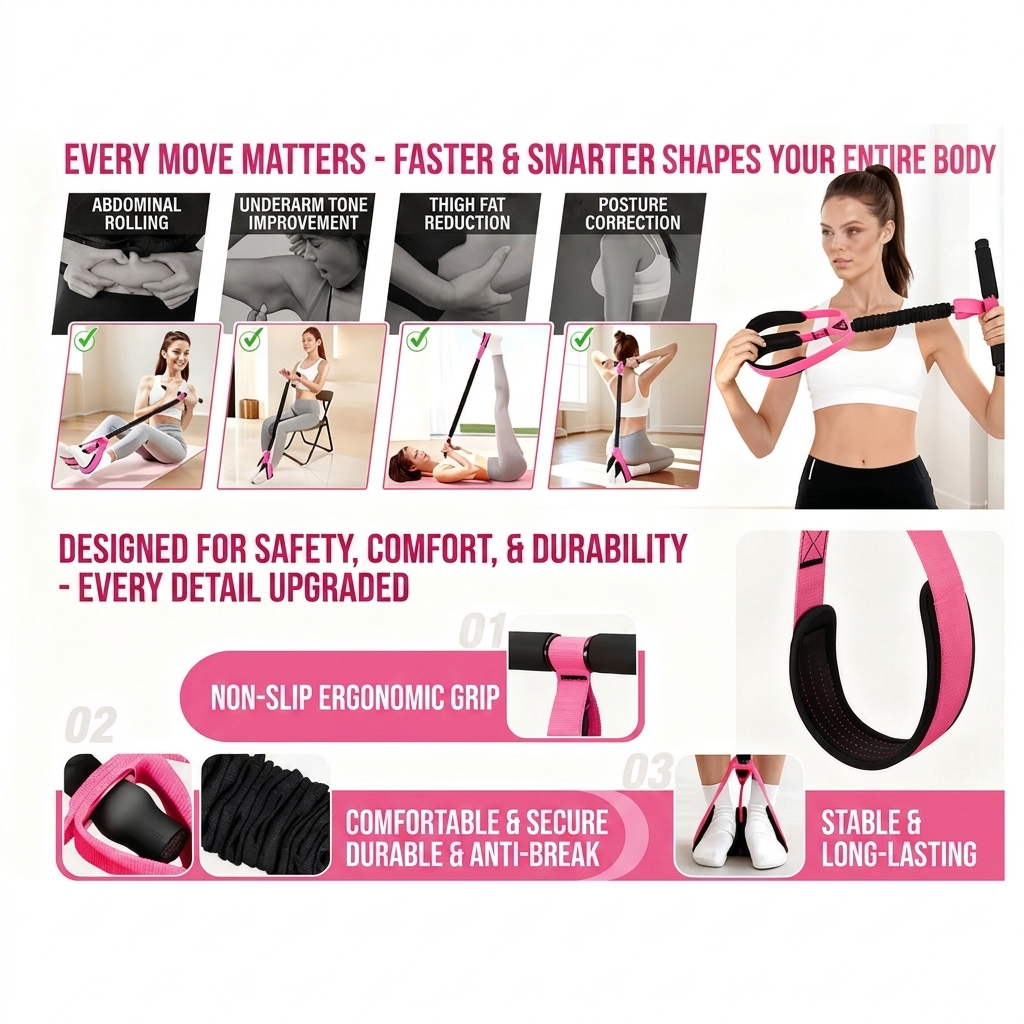
Figure 2: The Multi-Function Pedal Puller — Now available with OEM-ready sensor modules for 2026 brands.
3. The Wholesaler Advantage: High Value, Low Weight
From a B2B fitness sourcing perspective, smart portable gym gear is a dream product. It combines the high MSRP (Manufacturer’s Suggested Retail Price) of “smart tech” with the incredibly low shipping costs of lightweight resistance equipment. For Australian wholesalers, this dramatically improves the ROI on imported fitness gear.
By shifting your catalog from bulky, low-margin analog machines to smart-ready portable tools, you can significantly reduce your landed cost per dollar of revenue. Our 2026 manufacturing facility in China is now optimized for the rapid assembly of these electronic-integrated components, ensuring consistent supply for our global B2B partners.
4. OEM Customization in the Smart Era
The “smart” revolution is also changing OEM fitness equipment customization. Brands are no longer just asking for a logo on a band; they are asking for custom app skins and specific data tracking parameters. At YK Fitness, we provide a “White Label App” solution that allows you to offer a premium digital experience without the multi-million dollar R&D cost of building your own software from scratch.
Our Foot Pedal Resistance Pullers can be fitted with your brand’s specific sensor firmware, allowing you to control the user experience from the moment they unbox the product to the end of their workout. This is private label fitness gear for the next generation.
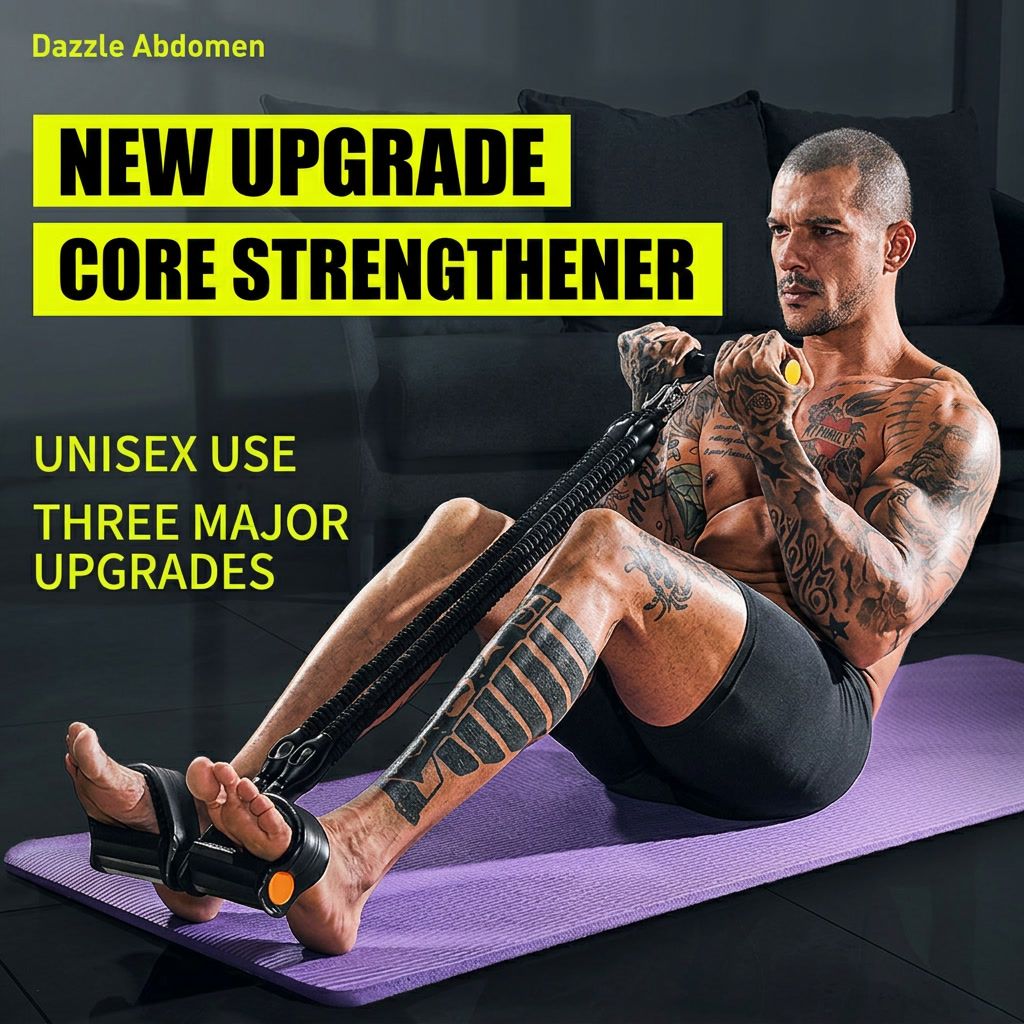
Figure 3: Even simple abdominal tools are benefiting from sensor technology to track core engagement time.
5. Overcoming the Barrier of Entry: Why 2026 is the Year to Pivot
Many fitness equipment wholesalers have been hesitant to move into “smart” gear due to concerns about complexity and tech support. However, in 2026, the technology has reached a level of plug-and-play simplicity. Battery lives of our sensor modules now exceed 12 months, and connectivity is instantaneous.
For B2B buyers looking to differentiate themselves in a competitive market, smart fitness gear is no longer a luxury; it’s a requirement to capture the millennial and Gen Z demographic who expect their workouts to be quantified. As a professional fitness manufacturer, we provide the full technical support and documentation needed to make this pivot seamless for your business.
Conclusion: Leading the Digital Charge
The future of fitness isn’t just about moving weights; it’s about moving data. The 2026 smart resistance training revolution is here, and it’s being led by portable, affordable, and intelligent tools. Wholesalers who embrace IoT fitness equipment today will be the market leaders of tomorrow.
Ready to upgrade your brand’s digital presence? Contact our Smart Gear specialists at YK Fitness to discuss your OEM IoT project.
FAQ: Smart Fitness Technology & IoT
Can I put my own brand’s app on your smart equipment?
Yes. We offer a full OEM fitness app white-labeling service. You can customize the UI, logo, and workout content to provide a cohesive brand experience for your customers.
What is the lead time for sensor-integrated fitness gear?
Because these include electronic components, the lead time is slightly longer than analog gear, typically 20-25 business days. We maintain a steady supply of sensor modules to minimize wholesale fitness sourcing delays.
Do your smart products meet Australian radio-frequency standards?
Absolutely. All our IoT fitness tools are fully certified (RCM for Australia, FCC for USA, CE for Europe) to ensure full compliance with local telecommunications and safety regulations.