The New Normal: Supply Chain Volatility in the 2026 Fitness Industry
As we navigate through 2026, the global fitness equipment supply chain faces a dual challenge: rising demand for high-quality, smart-integrated gear and increasing geopolitical and logistical volatility. For B2B importers, wholesalers, and large-scale gym owners, the ability to maintain a resilient supply chain is no longer just an operational advantage—it is a survival requirement.
In this strategic analysis, YK Fitness—a professional fitness equipment manufacturer in China—outlines the key trends and strategies that are defining supply chain resilience this year. We will explore how to reduce fitness equipment lead times, mitigate B2B fitness sourcing risks, and leverage smart inventory management to protect your margins in a fluctuating market.
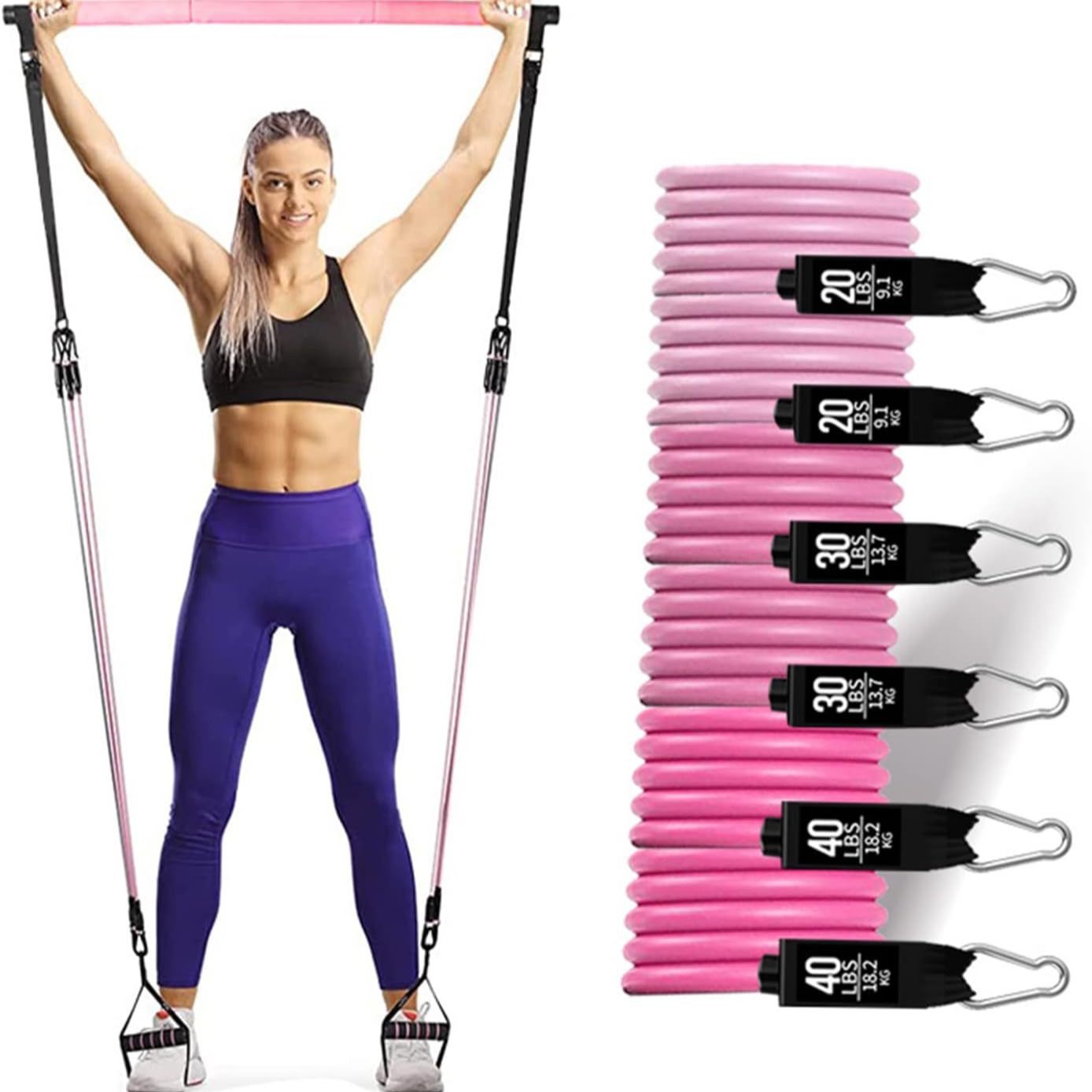
Figure 1: High-demand items like the Professional Pilates Bar require proactive supply chain planning to avoid stockouts.
1. Diversifying Production Nodes: The Shift to Multi-Point Manufacturing
In 2026, relying on a single production facility is a high-risk strategy. The most resilient wholesale fitness brands are now working with manufacturers that have diversified their production nodes. At YK Fitness, we have expanded our capacity to ensure that a localized disruption at one component supplier doesn’t halt the entire assembly of products like our Multi-Function Pedal Pullers.
By spreading manufacturing across multiple specialized sub-facilities in the Pujiang region, we create a “buffer” that protects our B2B partners from regional power outages or local logistics bottlenecks. This multi-point production strategy is a cornerstone of 2026 resilience.
2. Smart Inventory Management: The End of “Just-in-Time”
The “Just-in-Time” inventory model that dominated the 2010s is effectively dead in 2026. The new standard is “Just-in-Case.” For fitness equipment wholesalers, this means maintaining a larger buffer of raw materials and semi-finished components.
How We Mitigate Sourcing Risks:
- Raw Material Stockpiling: We maintain a 3-month rolling reserve of Natural Malaysian Latex and high-tensile spring steel. This allows us to maintain consistent pricing for our B2B clients even when global material prices spike.
- Component Interchangeability: Our 2026 design philosophy focuses on modularity. Components used in our Foot Pedal Resistance Pullers are designed to be compatible across several product lines, allowing for faster reallocation of inventory during demand surges.
- Real-time Data Sharing: We provide our major B2B partners with direct API access to our production schedules, enabling them to plan their marketing campaigns around actual manufacturing capacity.
3. Proactive Logistics: Beyond the Port of Departure
To truly reduce fitness equipment lead times, importers must look beyond the factory gate. Logistics in 2026 is about anticipation. With port congestion still a reality in major hubs like Sydney and Los Angeles, we recommend “Pre-Booking” container space 4-6 weeks in advance of the production finish date.
As a professional fitness manufacturer, we work with a network of “preferred” freight forwarders who specialize in fitness equipment logistics. These partners provide us with guaranteed space allocations, ensuring that your wholesale gym gear doesn’t sit in our warehouse for weeks waiting for a vessel.
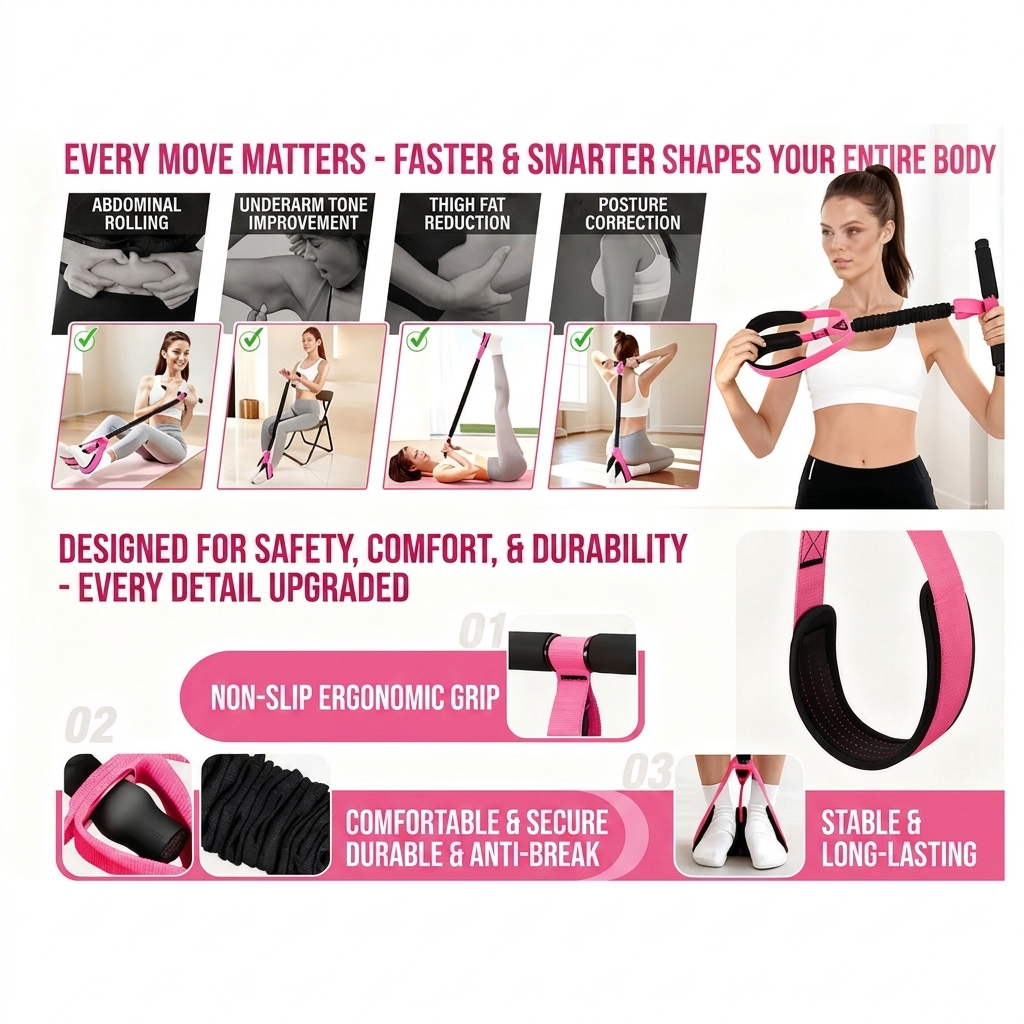
Figure 2: Stackable products like the Multi-Function Pedal Puller are prioritized for rapid consolidation and air-freight samples.
4. Leveraging Digital Twins for Supply Chain Visibility
One of the most exciting advancements in 2026 is the use of “Digital Twins” in manufacturing. This technology creates a virtual replica of the entire China fitness manufacturer supply chain. It allows us to simulate the impact of a 5% increase in raw material costs or a 2-week delay in shipping.
For our OEM fitness equipment partners, this means we can provide “What-If” scenarios during the planning phase. If a specific material becomes scarce, the Digital Twin helps us identify the most suitable alternative material (e.g., switching from Latex to high-grade TPE) without compromising the product’s performance or safety certifications.
5. The Human Factor: Building Strategic Partnerships
Ultimately, B2B fitness sourcing resilience is built on relationships. In 2026, the transactional “vendor-buyer” model is being replaced by strategic partnerships. Wholesalers who invest in long-term relationships with their manufacturers get priority production slots, better credit terms, and first access to new innovations.
At YK Fitness, we treat our Australian and North American B2B clients as part of our internal team. When supply chain challenges arise, we solve them through transparent communication and shared risk management. This level of trust is the most effective “insurance policy” against global volatility.
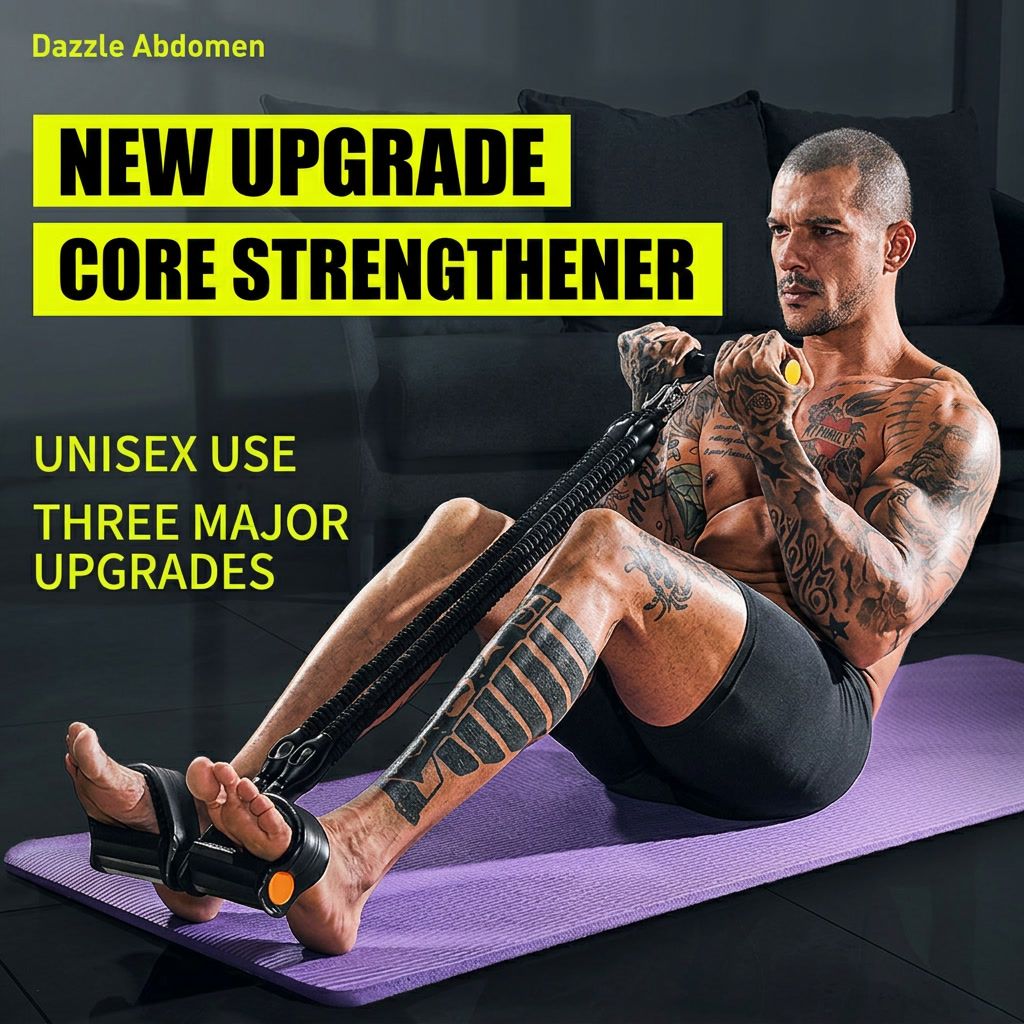
Figure 3: Building long-term trust is the key to securing priority production for essential gear like the Foot Pedal Puller.
Conclusion: The Resilient Importer’s Roadmap
The 2026 fitness equipment supply chain is unforgiving to those who don’t plan. However, for those who embrace diversification, smart inventory, and deep partnerships, it offers a path to significant market share growth. By reducing lead times and effectively managing risks, you can ensure that your brand is the one with stock on the shelves when competitors are still waiting at the port.
Is your supply chain ready for the challenges of 2026? Talk to our Supply Chain Experts today for a comprehensive resilience audit.
FAQ: Fitness Supply Chain & Logistics 2026
How can I reduce my lead times for custom orders?
The fastest way to reduce lead times is to use “semi-custom” options where we maintain a stock of finished components and only customize the final branding and packaging. This can cut production time from 20 days to just 7 days.
Do you provide real-time tracking for B2B shipments?
Yes. We integrate with major global carriers to provide 24/7 GPS tracking for all container shipments from our factory in China to your warehouse in Australia or the US.
What is the biggest risk in B2B fitness sourcing right now?
The biggest risk is price volatility in raw materials. We mitigate this by locking in material prices for our long-term contract partners, ensuring your margins are protected throughout the year.