In the global commercial fitness industry of 2026, the traditional transactional model of “ship and forget” is rapidly becoming a relic of the past. For B2B fitness equipment wholesalers, gym equipment distributors, and facility managers, the focus has shifted from the point of sale to the entire lifecycle of the equipment. In an era where high-traffic commercial environments demand 24/7 uptime and member safety is scrutinized under rigorous legal standards, effective lifecycle management has emerged as the most significant new profit center for wholesale brands. In this 2026 B2B guide, we analyze the critical importance of equipment maintenance and how sourcing durable, service-friendly gear can maximize long-term ROI.
The Maintenance Paradigm Shift: From Reactive to Proactive
Historically, gym equipment maintenance was reactive—fixing things only after they broke. In 2026, leading fitness franchises and boutique studios utilize proactive, data-driven maintenance protocols. Why? Because the “Cost of Downtime” (CoD) in a commercial gym is now estimated to be 5x higher than the actual cost of the repair. A single out-of-order ab bench or a snapped resistance band kit can lead to immediate negative social media feedback and membership cancellations. For wholesalers, providing “Maintenance-Ready” gear is the ultimate strategy for securing national accounts.
Key Structural Foundations for Low-Maintenance Sourcing
To reduce maintenance overhead, B2B buyers must prioritize structural engineering that facilitates easy inspection and part replacement:
1. Structural Steel and Pivot Point Integrity
High-volume commercial facilities put immense strain on the moving parts of strength gear. Sourcing benches and power racks with oversized, industrial-grade pivot bearings rather than simple plastic bushings is non-negotiable in 2026. Benches with heavy-duty structural steel frames (such as our Pradai line) are designed for a 10-year structural lifecycle, requiring nothing more than semi-annual bolt tightening and lubrication.
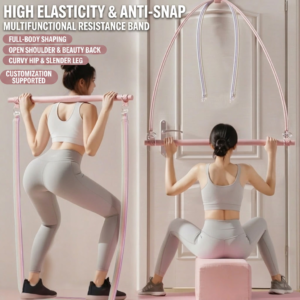
Maintenance Focus: Pradai Folding Ab Bench – Engineered for Low-Friction Commercial Use
2. Modular Resistance Systems and Wear-Point Analysis
For accessories like Pilates bars and resistance kits, the “wear-point” is the elastic material itself. In 2026, savvy wholesalers are sourcing modular systems where the resistance tubes can be swapped out individually without replacing the entire bar. By offering studios a subscription-based “Replacement Core” service for natural latex bands, wholesalers create a recurring revenue stream while ensuring the gym’s gear is always performing at peak safety levels.
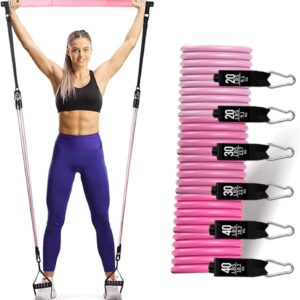
B2B Strategy: Professional Pilates Bar Kit with Modular Quick-Change Resistance Tubes
B2B Opportunities in Equipment Lifecycle Management
Wholesalers who embrace the lifecycle management trend in 2026 are realizing several distinct commercial advantages:
1. Recurring Service Contracts
By including a “2026 Service Level Agreement” (SLA) with every bulk equipment sale, wholesalers can secure high-margin recurring income. These contracts often involve quarterly safety inspections and “preventative part replacement” programs, positioning the wholesaler as a long-term operational partner rather than just a vendor.
2. Data-Driven Sourcing Intelligence
When you manage the lifecycle of the gear you distribute, you gather invaluable data on which components fail first. This feedback loop allows you to work with OEM manufacturers like YK Fitness to iterate on design—perhaps reinforcing a specific weld point or upgrading a material like TPU upholstery—to ensure your next-generation catalog is the most durable on the market.
3. High Secondary Market Resale Value
Commercial gym equipment that has been maintained under a professional lifecycle protocol retains 25-40% more of its value in the secondary market. Wholesalers who offer “Buy-Back” programs can refurbish this gear and sell it to budget-conscious startups or corporate hotel gyms, creating a highly profitable “Second-Life” equipment vertical.
Best Practices for Maintenance-Focused Sourcing in 2026
When evaluating new suppliers for your 2026 catalog, look for these serviceability markers:
- Exploded View Diagrams & Spare Part Lists: Does the manufacturer provide clear technical documentation and ready access to critical spare parts (bolts, pins, pads, bands)?
- SGS Durability Testing: Demand lab reports that simulate high-cycle commercial usage (e.g., 50,000 repetitions under load) to verify the equipment’s baseline durability.
- Non-Porous Upholstery: Ensure all pads use high-density, anti-microbial TPU leather that resists sweat penetration, as this is the single most common failure point in gym aesthetics.
Conclusion: The Long-Term B2B Advantage
In 2026, the most successful fitness wholesalers are those who understand that the real profit is made *after* the initial shipment. By sourcing durable, modular equipment and offering professional lifecycle management services, you build an unshakeable competitive moat. Partnering with a manufacturer like YK Fitness, who prioritizes structural integrity and technical support, is your first step toward dominating this high-yield segment of the market.
Ready to source equipment built for the long haul? Contact YK Fitness today to discuss our 2026 durability standards and spare-part fulfillment programs.