As we advance into 2026, the global commercial fitness landscape is undergoing a significant transformation in how “results” are measured. Historically, the industry was focused almost exclusively on high-intensity output—heavier weights, faster treadmill speeds, and higher calorie burns. However, today’s fitness consumers, driven by a deeper understanding of longevity and injury prevention, are prioritizing recovery and mobility as much as the workout itself. For B2B fitness equipment wholesalers, gym distributors, and facility operators, this shift has created a massive surge in demand for professional-grade recovery and mobility gear. In this 2026 procurement guide, we analyze the key market drivers for recovery technology and outline strategic sourcing insights to help B2B buyers capture this high-growth segment.
The Rise of the “Recovery Zone”: A New Profit Center for Commercial Gyms
In 2026, the “Recovery Zone” has transitioned from a luxury amenity to a standard requirement in commercial facility design. National gym franchises and boutique studios are dedicating up to 20% of their floor space to stretching, percussion therapy, and active mobility training. Why? Because members who prioritize recovery report higher satisfaction, lower injury rates, and significantly higher membership renewal frequencies. For wholesalers, recovery gear represents a high-turnover, high-margin product category that complements traditional strength and cardio inventories.
Key Mobility and Recovery Gear for 2026 Procurement
To meet the demands of modern facilities, B2B buyers should focus on equipment that bridges the gap between professional physical therapy and commercial fitness:
1. Modular Mobility and Stretching Systems
Static stretching is being replaced by dynamic mobility protocols. Sourcing versatile stretching stations and modular anchor systems allows gyms to offer guided mobility sessions. Equipment like professional-grade Pilates bars and multi-tension resistance kits are perfect for this application, providing the progressive assistance needed for deep fascial release and joint decompression.
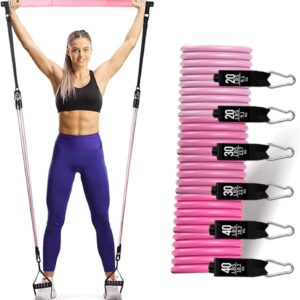
Featured Sourcing: Professional Pilates Bar Kit – Essential for Dynamic Mobility and Core Recovery
2. Active Recovery Resistance Tools
Active recovery—low-intensity movement performed after a heavy session—is a major trend in 2026. Wholesalers should source lightweight, portable resistance tools that allow for high-repetition, low-load work to increase blood flow and flush metabolic waste. Pedal pullers and elastic tube sets crafted from high-purity TPE are ideal, offering the tactile comfort and smooth resistance required for delicate recovery movements.

3. Percussion Therapy and Tactile Soft-Tissue Tools
The 2026 market is also seeing a heavy integration of percussion massagers and high-density foam rollers into the commercial floor plan. B2B buyers must prioritize durability here—sourcing tools with medical-grade, anti-microbial TPU surfaces that can withstand the constant sanitization protocols required in high-traffic commercial environments.
Strategic B2B Advantages of Sourcing Recovery Gear
Transitioning your wholesale catalog to include a dedicated recovery and mobility vertical offers several key commercial benefits:
1. Lower Logistics Costs and Faster Turnover
Compared to heavy selectorized machines, most mobility and recovery tools are lightweight and flat-packed. This dramatically reduces ocean freight costs per unit and allows for higher inventory turnover. Wholesalers can stock a high volume of recovery accessories in a small warehouse footprint, maximizing their cash flow efficiency.
2. Bundling Opportunities for New Gym Fit-Outs
When a new gym client is outfitting their facility, they prefer a “One-Stop-Shop.” By offering a comprehensive range of recovery gear alongside your strength equipment, you increase the total contract value (TCV) of your sales. Bundling a “Recovery Package” (including benches, bars, and bands) is a proven strategy for securing higher-value enterprise procurement contracts in 2026.
3. Addressing the Corporate Wellness Market
The corporate wellness sector is booming in 2026, but most office gyms do not have the space for heavy machinery. They are actively seeking “Low-Impact Mobility Kits” that can be used in small spaces. Portable Pilates bars and compact core trainers are the perfect solution for this market, allowing B2B distributors to tap into a high-margin, non-traditional fitness niche.
Choosing a Quality OEM Partner for Recovery Gear
When sourcing recovery equipment from China, wholesalers must verify specific manufacturing standards:
- Material Purity: Recovery tools involve constant skin contact. Ensure all elastomers (Latex and TPE) are SGS-certified to be free of toxic off-gassing and allergens.
- Ergonomic Precision: Mobility tools are ineffective if the angles are wrong. Partner with an OEM manufacturer like YK Fitness that utilizes bio-mechanical data to optimize handle shapes and anchor positions.
- Private Label Versatility: Recovery zones are highly branded areas. Look for partners who offer high-quality embossing and custom color-matching to help your clients maintain their studio’s aesthetic identity.
Conclusion: Leading the Wellness Transition in 2026
The shift toward recovery and mobility is not a passing trend; it is the future of sustainable fitness. Wholesalers and distributors who proactively expand their catalogs to include high-quality, commercial-grade recovery tools will position themselves at the forefront of the wellness industry. By sourcing gear that prioritizes material purity, ergonomics, and modularity, you ensure long-term ROI for both your business and your gym clients.
Ready to expand your catalog with 2026’s top-selling recovery gear? Contact YK Fitness today to discuss our mobility equipment range and custom B2B fulfillment services.