As we navigate the complexities of 2026, the global B2B fitness equipment industry is facing a dual challenge: rising demand for specialized gear and a highly volatile international logistics landscape. For Australian fitness equipment wholesalers, gym franchise owners, and institutional buyers, the ability to manage multi-country distribution while maintaining strict control over “Landed Cost” has become the primary driver of profitability. In this strategic guide, we analyze the logistics trends of 2026 and provide actionable insights for B2B importers looking to optimize their supply chains and protect their margins in the Australian market.
The Landed Cost Crisis: Why Transparency is Key in 2026
In 2026, the “Price at Factory” is no longer the metric that matters most. The true measure of a B2B transaction is the Landed Cost—the total price of a product once it has arrived at your Australian warehouse, including ocean freight, customs duties, insurance, and local port-to-door trucking. With global energy transitions and port congestion fluctuations, these “hidden” costs can swing by as much as 20% within a single quarter. For wholesalers, failing to account for these fluctuations leads to immediate margin erosion.
Key Logistics Strategies for Australian B2B Importers
1. Leveraging Flat-Pack Engineering and Cubic Efficiency
In 2026, shipping “air” is the most expensive mistake an importer can make. Forward-thinking wholesalers are prioritizing equipment designed with “Logistics-First” principles. For instance, commercial-grade folding ab benches that utilize heavy-duty structural steel but can be nested or flat-packed into 40% less volume are the industry standard. By doubling the number of units per 40ft High Cube container, Australian wholesalers effectively halve their per-unit international freight expense.
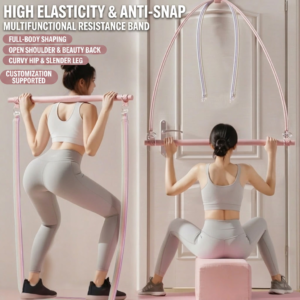
Sourcing Highlight: Pradai Folding Ab Bench – Engineered for Maximum Shipping Density
2. The Rise of “Multi-Port” Distribution Hubs
To reduce expensive “Last-Mile” costs across Australia’s vast geography, 2026’s top wholesalers are utilizing multi-port entry strategies. Instead of shipping all stock to a central Sydney or Melbourne hub, importers are splitting containers at the source (China) to arrive directly at Brisbane, Adelaide, or Perth. This “Direct-to-Region” model bypasses high local interstate trucking fees and ensures gym clients receive their orders faster, enhancing brand reputation and member satisfaction.
3. Utilizing ChAFTA and Tariff Compliance
Under the 2026 framework of the China-Australia Free Trade Agreement (ChAFTA), many fitness equipment categories enjoy reduced or zero-tariff status. However, achieving this requires rigorous documentation. Wholesalers must partner with manufacturers who provide precise “Certificate of Origin” (CoO) documents and ensure all material compositions—such as the natural latex in resistance bars—are correctly classified under the Harmonized System (HS) codes to prevent customs audits and fines.
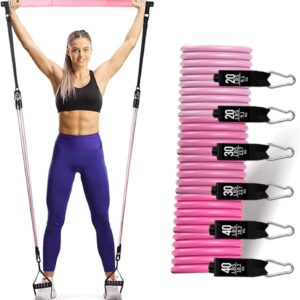
B2B Strategy: Professional Pilates Bar Kit – Optimized for ChAFTA Duty-Free Import
Smart Sourcing: Managing the 2026 Supply Chain Ripple
To build a resilient B2B enterprise in 2026, wholesalers must move beyond transactional buying toward integrated supply chain management:
- Real-Time Tracking Integration: Seek OEM partners like YK Fitness who provide API-ready tracking data, allowing you to give your gym clients “Live Port Arrival” updates.
- Strategic Buffer Stocking: Given the 2026 volatility, maintaining a 30-day buffer of high-turnover items (like resistance bands and core trainers) in local Australian warehouses is critical to avoiding “Out-of-Stock” scenarios that push buyers toward competitors.
- Custom Retail-Ready Packaging: Requesting OEM packaging that is already barcoded and labeled for the Australian market (including ACCC-compliant safety warnings) allows you to move stock directly from the port to your retail clients without unboxing, saving hours of local labor.
Conclusion: Profitability Through Precision Logistics
In the 2026 fitness market, the “Landed Cost” is the ultimate battleground for B2B success. Wholesalers who master the art of cubic efficiency, regional distribution, and tariff compliance will command higher margins and build unshakeable trust with their commercial clients. Partnering with a logistics-aware manufacturer like YK Fitness is your strongest hedge against global supply chain instability.
Ready to optimize your 2026 logistics and reduce your landed costs? Contact YK Fitness today to discuss our Australia-specific shipping protocols and flat-pack equipment range.