As we navigate the midpoint of 2026, the global commercial fitness industry is facing a fundamental restructuring of value. For B2B fitness equipment wholesalers, international importers, and brand owners, the criteria for “premium sourcing” have evolved beyond mere structural durability and competitive pricing. Today, ESG (Environmental, Social, and Governance) compliance has emerged as the ultimate competitive moat. In a market where regulatory frameworks like Australia’s modernized modern slavery acts and the EU’s Green Deal are in full effect, being a “green” and “ethical” importer is no longer just about branding—it is about market access and long-term profitability. In this strategic guide, we analyze the 2026 trends in sustainable fitness manufacturing and explain why ESG-ready supply chains are the key to B2B dominance.
The ESG Evolution: Moving from Niche to Necessary
In 2024 and 2025, sustainable gear was often marketed as a niche “premium” option. However, in 2026, major institutional buyers—including national gym chains, insurance-backed corporate wellness programs, and government-funded rehabilitation centers—now require full ESG transparency as a baseline for any procurement tender. If your supply chain cannot prove its environmental and social credentials, you are effectively locked out of the highest-value contracts in the industry.
Pillar 1: Environmental Responsibility – Material Circularity
The core of sustainable fitness manufacturing in 2026 lies in material circularity. Importers are moving away from single-use virgin plastics and non-recyclable vulcanized rubbers. The demand is shifting toward materials like TPE (Thermoplastic Elastomer) and TPU (Thermoplastic Polyurethane). These materials are not only non-toxic and hypoallergenic but are also 100% recyclable, allowing old equipment to be reground and repurposed into new components.
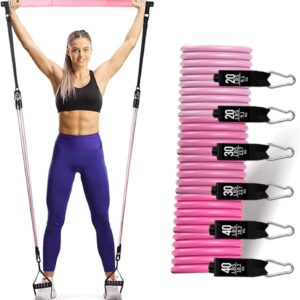
Sourcing Highlight: Professional Pilates Bar Kit – Built with Recyclable TPE for Circular Sourcing
Pillar 2: Social Governance – Labor Transparency
2026 has seen a massive crackdown on supply chain opacity. B2B wholesalers in Australia and the EU are now legally required to conduct due diligence on the labor practices of their manufacturing partners. Sourcing from “ghost factories” or suppliers without verified social audits is a massive liability. Leading OEM manufacturers, like YK Fitness, are responding by providing “Triple-Transparent” labor reports, ensuring that every resistance band and workout bench is produced in facilities that meet international BSCI or Sedex standards.
Pillar 3: Corporate Governance – Audit Readiness
Governance in 2026 is about data. Wholesalers need manufacturers who can provide instant, verified documentation for every shipment. This includes Certificate of Origin (CoO) documents for ChAFTA duty-free import, SGS material safety reports, and structural load-testing logs. Governance-first manufacturers act as an extension of the importer’s compliance team, significantly reducing the administrative burden of international trade.

Equipment Focus: Pradai Folding Ab Bench – Certified Non-Toxic Materials and Ethical Manufacturing
Why ESG Compliance Drives Higher B2B Margins
While the initial transition to ESG sourcing requires more rigorous due diligence, the financial rewards for B2B importers are substantial:
- Institutional Premium: Government and corporate contracts often include a 10-15% “ESG Premium” budget, allowing ethical wholesalers to command higher margins.
- Reduced Recalls and Seizures: Non-compliant equipment (especially those containing restricted phthalates) is increasingly being seized at Australian and EU ports. ESG-certified gear bypasses these risks.
- Brand Loyalty: In 2026, gym owners want to tell a story. Providing them with equipment that has a “Certified Ethical” or “Low Carbon Footprint” label helps them build deeper connections with their members, locking in your wholesale brand as their preferred partner.
Conclusion: Building a Future-Proof B2B Brand
The fitness industry’s future is green, transparent, and ethically governed. Wholesalers who continue to ignore the ESG wave will find themselves marginalized by agile, compliance-focused competitors. By partnering with an OEM manufacturer like YK Fitness, who prioritizes material science innovation and labor transparency, you secure the ultimate competitive moat for your 2026 business and beyond.
Ready to transition your catalog to 2026 ESG standards? Contact YK Fitness today to discuss our sustainable material roadmap and request our latest ethical manufacturing audit reports.