As we navigate the midpoint of 2026, the global commercial fitness industry is witnessing the most significant technological leap since the introduction of electronic treadmills. We have officially entered the era of the AI-Driven Gym. For B2B fitness equipment wholesalers, gym franchise operators, and corporate wellness developers, the procurement focus has shifted from “static iron” to “intelligent systems.” Today, equipment that cannot track, analyze, and optimize user performance is rapidly losing its place on the commercial floor. In this comprehensive 2026 procurement guide, we analyze the surge in AI-driven strength training and outline how B2B buyers can strategically source intelligent gear to drive member retention and maximize facility ROI.
The Data-Driven Member: Why AI Integration is Non-Negotiable
The 2026 fitness consumer is hyper-informed. They no longer accept “guesswork” in their strength training. According to recent market data, gym members training on AI-integrated equipment report a 40% higher satisfaction rate due to real-time feedback on form, velocity, and progressive overload. For facility owners, this data isn’t just for the member; it provides the gym with precise “Utilization Intelligence,” allowing them to optimize their equipment layout based on real-time traffic patterns. For B2B wholesalers, distributing AI-ready gear is the only way to secure high-value contracts with modern, tech-forward fitness brands.
Key AI and IoT Technologies in 2026 Strength Gear
1. Velocity-Based Training (VBT) Sensors
VBT has moved from elite athletic performance centers to mainstream commercial clubs. Modern strength gear, including high-tensile adjustable benches and cable systems, now features integrated VBT sensors. these sensors measure the speed of every rep, allowing the AI to adjust the recommended weight in real-time to ensure the user stays within their optimal training zone. Sourcing equipment with built-in sensor mounts and Bluetooth Low Energy (BLE) connectivity is a top priority for B2B buyers in 2026.

2. Smart Resistance and Bio-Feedback Systems
In the functional and core training categories, AI is revolutionizing how we use resistance bands and Pilates bars. 2026’s premium OEM manufacturers are integrating ultra-thin strain gauges into the latex and TPE cores. These sensors transmit tension data to the studio’s cloud ecosystem, allowing instructors to monitor the effort levels of an entire class of 30 people simultaneously. This “Connected Pilates” model is a massive growth driver for boutique studios.
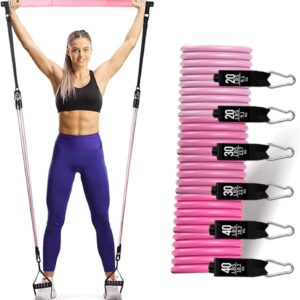
Accessory Highlight: Professional Pilates Bar Kit – Optimized for Data-Linked Studio Environments
3. AI Form Correction and Virtual Coaching
Smart mirrors and camera-integrated strength stations are now standard. These systems use computer vision to track a member’s skeleton during a sit-up or bench press, providing instant audio-visual cues to correct their form. Wholesalers who can provide “AI-Bridge” components—equipment designed to work in synergy with these camera systems (such as non-reflective frame finishes and high-contrast adjustment markers)—are winning the most innovative fit-out contracts.
The B2B Commercial Advantage of Smart Gear Sourcing
Transitioning your wholesale catalog to include smart-integrated or “AI-Ready” equipment offers three major commercial advantages:
- Higher Wholesale Margins: Tech-enabled gear commands a 30-50% price premium over traditional mechanical equipment, while the incremental manufacturing cost of modular sensors is stabilizing.
- Member Lock-In via Software: When a gym invests in a connected equipment ecosystem, they are committing to a specific software platform. This creates a powerful “Hardware-as-a-Service” model for the wholesaler, ensuring long-term recurring orders.
- Reduced Staffing Overhead: For facility owners, AI-driven equipment acts as a “Virtual Floor Assistant,” allowing them to manage larger member groups with fewer personal trainers, significantly improving their operational profitability.
B2B Sourcing Checklist for AI-Ready Gear
When selecting an OEM partner for your 2026 smart gear inventory, verify these technical standards:
- Open API/SDK Protocols: Ensure the hardware can communicate with third-party gym management software (like Glofox or Mindbody).
- Modular Wireless Components: Prioritize gear with “Plug-and-Play” sensor modules that can be easily upgraded as AI technology evolves.
- Wireless Compliance: Ensure all wireless components are FCC, CE, and RCM certified for international distribution.
Conclusion: Owning the Intelligent Gym Floor
The AI revolution in fitness is no longer on the horizon—it is officially the industry standard for 2026. Wholesalers and gym operators who continue to source purely mechanical gear will quickly find themselves marginalized by data-driven competitors. By strategically sourcing AI-ready strength gear, you position your brand as a forward-thinking leader in the most high-growth segment of the fitness market.
Ready to lead the AI fitness transition? Contact YK Fitness today to discuss our IoT modular sensor integration and 2026 smart equipment catalog.