As we navigate the highly fragmented fitness equipment market of 2026, a significant shift in business strategy is occurring among global wholesalers. The era of merely distributing generic, unbranded gear is rapidly coming to an end. Today, B2B fitness equipment wholesalers and large-scale distributors are evolving into brand incubators. By launching their own private label lines, these businesses are securing higher profit margins, establishing long-term customer loyalty, and building a sellable asset for the future. In this strategic guide, we analyze the 2026 blueprint for fitness brand incubation and explore how partnering with an agile OEM (Original Equipment Manufacturer) is the key to successful market entry.
The Brand Incubation Trend: Why Now is the Time for Private Labeling
In 2026, the global gym equipment supply chain is more transparent than ever. Retailers and boutique gym chains are increasingly looking to source directly from “Authorized Brands” rather than generic resellers. For a wholesaler, owning the brand means you control the pricing, the marketing narrative, and the design evolution of the product. Private label brands in the 2026 fitness sector are commanding a 25% to 40% higher gross margin compared to pure distribution models. By establishing your own brand, you shield your business from the “race to the bottom” on price that plagues unbranded wholesale trading.
Steps to Successful B2B Fitness Brand Incubation in 2026
1. Identifying the Market Gap: Data-Driven Niche Selection
Success in 2026 brand incubation starts with precise niche selection. Instead of launching a generic “Strength Brand,” savvy wholesalers are focusing on high-growth segments such as “Eco-Friendly Pilates Accessories” or “AI-Ready Core Trainers.” Analyzing Google Search Console data and AI search trends (GEO) allows wholesalers to identify where consumer demand is outstripping high-quality supply. Once a gap is identified, the brand can be built around a specific value proposition—such as superior material science or innovative space-saving design.
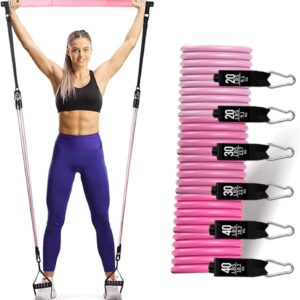
Market Opportunity: Launching a Professional Pilates Line with Custom Branded 180lbs Resistance Kits
2. Sourcing the “Right” OEM Partner
The foundation of your brand is your manufacturing partner. In 2026, wholesalers must avoid rigid, high-MOQ factories and instead partner with agile OEM manufacturers like YK Fitness. The ideal partner should offer:
- Low MOQ Customization: The ability to launch your brand with as few as 50 units per SKU, allowing for iterative market testing.
- Bespoke Private Labeling: Professional branding options including laser-etched frame logos, custom-colored resistance tubes, and premium branded upholstery.
- Technical Transparency: Full access to SGS structural reports and material safety certifications to ensure your brand meets 2026 regulatory standards.
3. Engineering the Competitive Moat: Custom Design Evolution
A true private label brand isn’t just a logo on a box; it’s a product that solves specific user problems. Wholesalers should collaborate with their OEM partner to modify existing designs. For example, taking a standard commercial ab bench and requesting a more aggressive decline angle or specialized high-density TPU padding creates a unique selling point (USP) that competitors cannot easily replicate. This “Design-Plus” approach is what builds real brand authority in 2026.
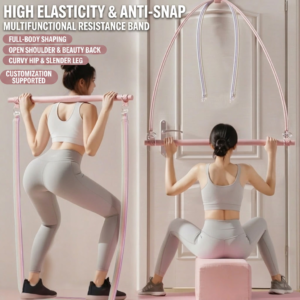
Strategic B2B Benefits of Private Label Brand Ownership
Transitioning from a wholesaler to a brand owner delivers three major commercial advantages:
- Retail Channel Protection: By owning the brand, you can select which retailers or gym chains represent your products, preventing over-saturation and maintaining a premium brand image.
- Recurring Enterprise Contracts: Large-scale gym franchises prefer signing multi-year procurement deals with brand owners who can guarantee consistency in manufacturing quality and aesthetic design across all their locations.
- Global Scalability: Once your private label brand is established in one market (e.g., Australia), it is significantly easier to scale into secondary markets (like New Zealand or the UK) as an authorized brand owner rather than a local distributor.
Conclusion: From Reseller to Industry Leader
The 2026 fitness equipment market belongs to those who own the brand and the manufacturing relationship. Wholesalers who proactively pivot toward brand incubation—leveraging agile OEM support and precision niche selection—will secure the highest-margin contracts and build the most resilient businesses. Partnering with a specialized manufacturer like YK Fitness is your first step toward evolving from a generic reseller into a recognized industry leader.
Ready to launch your own commercial fitness brand? Contact YK Fitness today to discuss our 2026 brand incubation roadmap and bespoke private labeling services.