As we navigate the highly competitive fitness market of 2026, gym owners, boutique studio founders, and institutional investors are facing a critical challenge: how to balance the need for cutting-edge, high-durability equipment with the necessity of maintaining healthy cash flow. The capital expenditure (CapEx) required to outfit a modern facility has risen, driven by advancements in material science and digital integration. However, the sophistication of financing models has also evolved. In this 2026 B2B strategic guide, we analyze the latest trends in fitness equipment financing, break down ROI (Return on Investment) models for commercial gear, and explain why choosing the right sourcing partner is the most effective way to lower your Total Cost of Ownership (TCO).
The Shift in Capital Strategy: CapEx vs. OpEx in 2026
Historically, fitness equipment was purchased as a one-time capital expense. In 2026, the trend has shifted toward “Equipment-as-a-Service” (EaaS) and flexible leasing structures. This allows facility operators to treat equipment as an operating expense (OpEx), preserving their cash reserves for marketing and member acquisition. For B2B wholesalers and distributors, offering these flexible financial pathways is the key to securing long-term supply contracts with expanding gym franchises.
Calculating the True ROI of Commercial Fitness Gear
In 2026, ROI isn’t just about the purchase price divided by membership fees. Smart investors use a “Lifecycle Profitability” model, which includes three core variables:
1. Durability-Adjusted Depreciation
Cheap, consumer-grade gear depreciates to zero within 12-18 months of commercial use. Professional-grade equipment, built with high-tensile structural steel and medical-grade TPU upholstery, maintains a high secondary market value and a longer operational lifespan. Sourcing equipment that is certified for commercial stress levels—such as our Pradai bench line—significantly slows the rate of depreciation, improving the facility’s balance sheet.
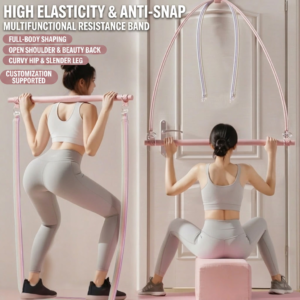
ROI Anchor: Pradai Folding Ab Bench – Commercial Steel Construction for Long-Term Asset Value
2. Maintenance and Uptime Impact
Every day a piece of equipment is “Out of Order” is a day of lost member value. In 2026, high-ROI facilities prioritize gear with modular components. For example, resistance band systems where the latex tubes can be swapped in seconds allow for 100% uptime. This “Serviceability Factor” is a major driver of club profitability, as it reduces the need for expensive on-site technician visits.
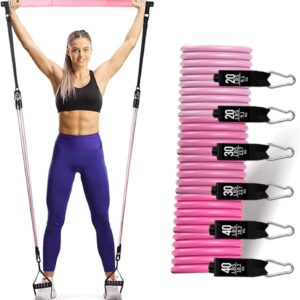
B2B Strategy: Professional Pilates Bar Kit – Modular Design for Low-Cost Maintenance and High ROI
3. Space-Yield Metrics
Modern 2026 clubs measure profit per square meter. Large, single-use machines often yield the lowest ROI due to their massive footprint. Versatile, portable, and collapsible gear—like multi-functional Pilates bars and folding benches—allows a gym to offer multiple classes (Pilates, HIIT, Core) in the same space, effectively tripling the revenue potential of the floor plan.
B2B Financing Trends: What Wholesalers Need to Know
To support your clients in 2026, wholesalers must understand these three emerging financing trends:
- Hybrid Buy-Back Agreements: Wholesalers who offer a guaranteed buy-back price after 36 months give gym owners the confidence to upgrade to the latest technology more frequently.
- ESG-Linked Financing: In 2026, facilities that source certified eco-friendly equipment (TPE/TPU materials) are eligible for “Green Loans” with interest rates 1-2% lower than standard commercial rates.
- Subscription-Based Sourcing: Many boutique studios now prefer a monthly subscription for high-turnover accessories like resistance bands, ensuring they always have fresh, safe gear without large upfront costs.
Lowering TCO Through Strategic OEM Sourcing
The fastest way to improve equipment ROI is to reduce the Total Cost of Ownership at the source. By partnering with an agile OEM manufacturer like YK Fitness, B2B buyers bypass the high markups of legacy “big-brand” middlemen. Direct-to-factory sourcing allows you to:
- Custom-Engineer for Durability: Specify thicker steel or higher-density foam to match your client’s specific traffic patterns.
- Optimize Logistics: Utilize flat-pack designs to reduce international shipping costs by up to 50%, a direct saving that goes straight to the bottom line.
- Ensure Compliance: Avoid the massive financial risks of port-of-entry seizures by sourcing gear with pre-verified SGS and REACH certifications.
Conclusion: Investing with Precision in 2026
Success in the 2026 fitness market requires more than just high-quality gear; it requires a sophisticated financial approach to equipment procurement. By understanding ROI models, leveraging modern financing structures, and sourcing directly from compliance-first OEM partners, wholesalers and facility owners can build high-margin businesses that thrive in a dynamic global economy.
Want to optimize your equipment investment strategy? Contact YK Fitness today to discuss our bulk wholesale pricing and our 2026 commercial durability test data.