The Non-Negotiable Pillar of 2026 Fitness Sourcing: Safety Compliance
In the globalized fitness market of 2026, safety compliance is no longer a “nice-to-have” certification—it is a legal and ethical imperative. For B2B fitness equipment importers in Australia, Europe, and North America, navigating the maze of regional standards like RCM (Regulatory Compliance Mark), CE, and RoHS is the most critical step in protecting their business from liability and ensuring consumer trust.
As a professional fitness equipment manufacturer in China, YK Fitness prioritizes regulatory alignment from the initial design phase. In this comprehensive guide, we break down the essential safety standards for 2026, the specific requirements for the Australian market, and how wholesale fitness sourcing with a compliant partner can minimize your risk and maximize your brand’s authority.
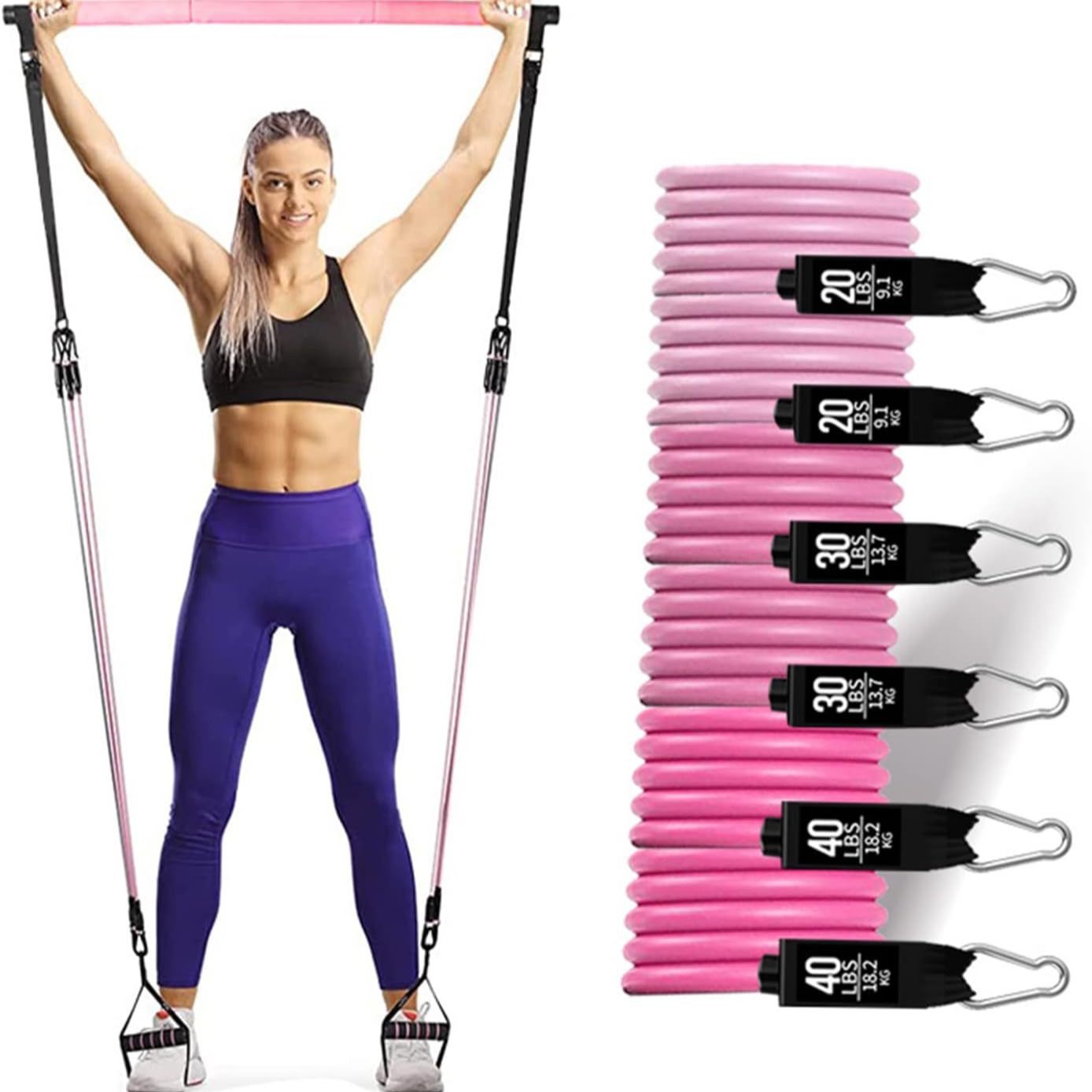
Figure 1: Every component of our Professional Pilates Bar, from the steel to the latex, undergoes rigorous safety testing.
1. Understanding RCM: The Essential Mark for Australia
For Australian fitness equipment wholesalers and gym owners, the RCM (Regulatory Compliance Mark) is the single most important label. In 2026, the RCM consolidated several previous marks (like C-Tick and A-Tick) into a unified symbol of compliance with Australian safety and electromagnetic compatibility (EMC) regulations.
Why RCM Matters for Your B2B Business:
- Legal Access: It is illegal to sell electrical fitness equipment or wireless smart devices in Australia without an RCM mark.
- Liability Protection: In the event of an accident, an RCM-compliant product significantly reduces the importer’s legal liability.
- Consumer Confidence: Australian buyers are highly educated on safety marks. The RCM on products like our smart-integrated resistance bands signals quality and reliability.
2. CE and RoHS: The Global Standard for Fitness Gear
While RCM is specific to Oceania, CE and RoHS remain the global benchmarks for professional fitness equipment. In 2026, these standards have become even stricter regarding chemical composition and mechanical safety.
A. CE Marking (European Conformity)
The CE mark indicates that a product complies with EU health, safety, and environmental protection standards. For our Multi-Function Pedal Pullers, this covers everything from structural integrity to the safety of the elastic components.
B. RoHS (Restriction of Hazardous Substances)
In 2026, RoHS compliance is particularly important for home gym equipment that comes into direct contact with skin. It ensures that materials like the foam on handles or the pigments in resistance bands do not contain hazardous levels of lead, mercury, or phthalates. At YK Fitness, we use only RoHS-certified raw materials in our production process.
3. Mechanical Safety: Beyond Electrical Standards
In 2026, B2B fitness sourcing also requires a focus on mechanical safety standards, such as EN ISO 20957 (the global standard for stationary training equipment). This standard classifies equipment by accuracy and usage intensity.
Our Foot Pedal Resistance Pullers are tested under these mechanical guidelines to ensure they do not pose a pinch risk or structural failure risk during high-intensity core workouts. For a professional fitness manufacturer, these tests are as important as the electronic ones.
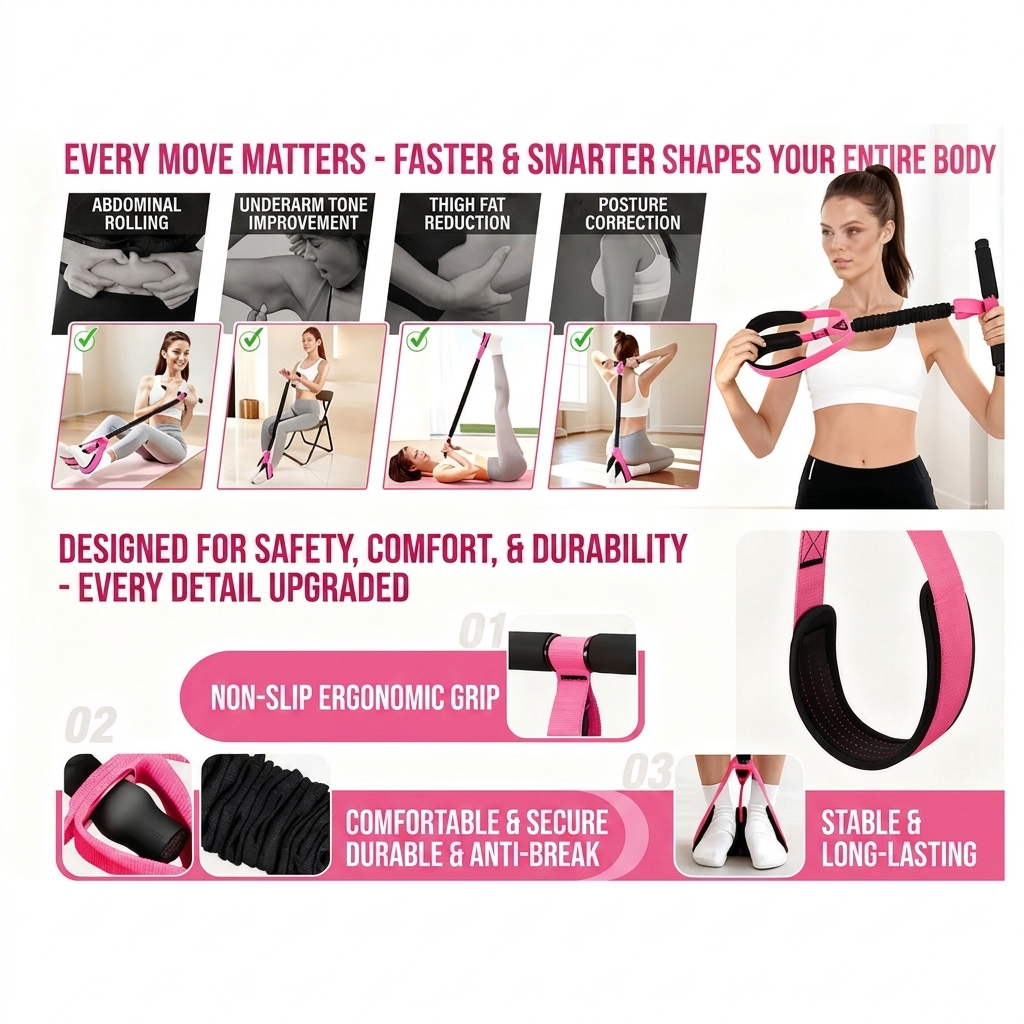
Figure 2: Mechanical safety testing ensures that our pedal pullers provide consistent resistance without risk of breakage.
4. Sourcing Strategy: How to Verify Compliance at the Factory
Verification is the core of B2B fitness equipment quality control. When auditing a China fitness manufacturer, you must request more than just a photo of a certificate. You need to see the underlying test reports.
Verification Checklist for 2026:
- ID Verification: Cross-check the certificate ID on the official database of the testing agency (e.g., TUV, SGS, or Intertek).
- Product Matching: Ensure the specific model you are importing (e.g., the Pro Series Pilates Bar) is the one listed on the test report.
- Batch Consistency: Request “random sample” testing from your production batch to ensure the factory isn’t using a “golden sample” for certification while using cheaper materials for mass production.
5. The Role of OEM Customization in Compliance
When you opt for OEM fitness customization, you must ensure that your modifications don’t invalidate the original safety certifications. For example, changing the handle material or adding a wireless sensor requires a “re-assessment” of the RCM or CE compliance.
At YK Fitness, we manage the entire compliance roadmap for our OEM partners. We work with international testing labs to provide “delta reports” for customized gear, ensuring your private label fitness equipment is fully compliant from day one. This is a critical component of reducing your landed risk.
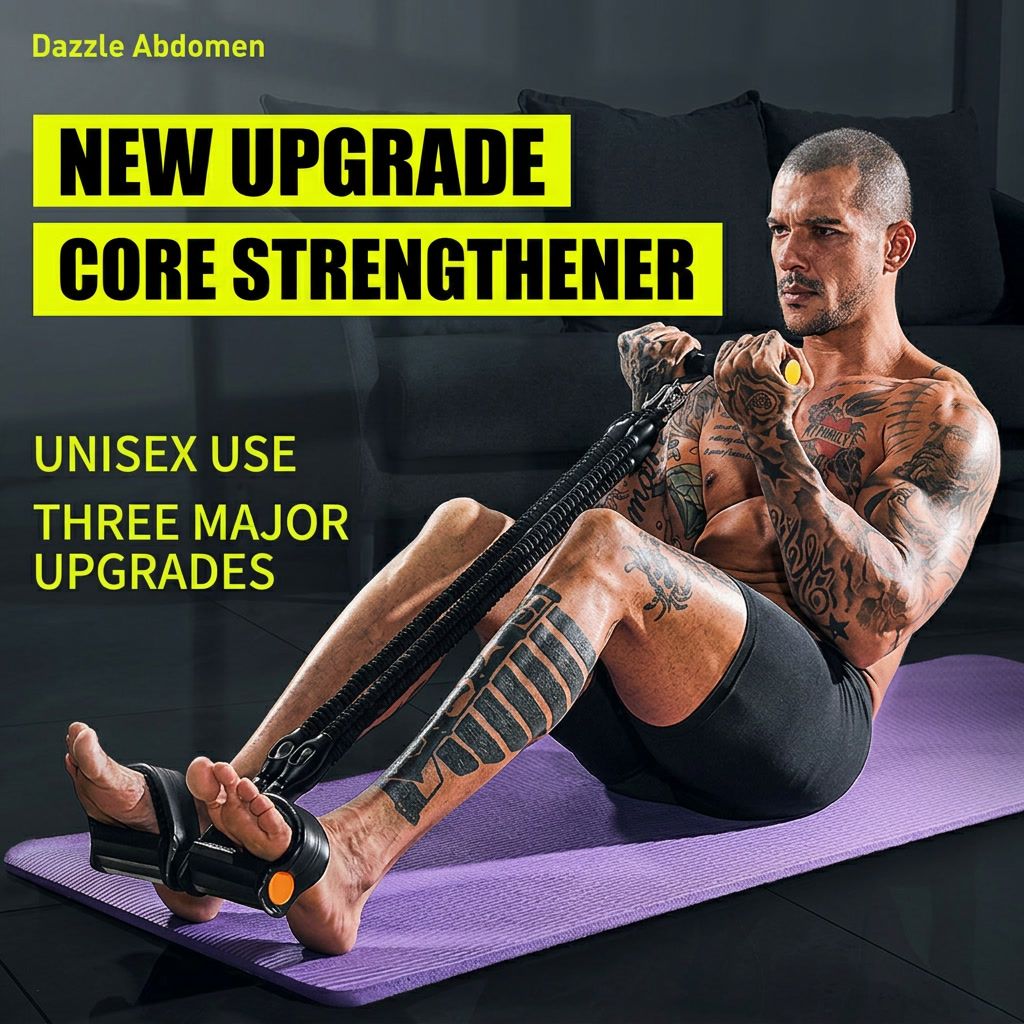
Figure 3: All our abdominal training gear, including the Foot Pedal Puller, meets global RoHS requirements for skin-contact safety.
Conclusion: Safety is Your Best Marketing Strategy
In the competitive 2026 market, safety compliance is not a cost—it is a marketing asset. By being able to prove that your equipment meets RCM, CE, and RoHS standards, you differentiate your brand from the “gray market” sellers and build a foundation of trust with professional gym owners and discerning home users.
YK Fitness is your partner in compliance. We don’t just build products; we build safe, certified fitness solutions that protect your brand and your customers. Contact our Compliance Experts today for a full certification audit of your next B2B sourcing project.
FAQ: Fitness Equipment Safety & Compliance
Is RCM mandatory for all fitness equipment in Australia?
RCM is mandatory for all equipment with electrical components or wireless connectivity. For purely mechanical gear like resistance bands, compliance with AS/NZS standards is highly recommended for insurance and liability purposes.
How long does it take to get a CE or RoHS certificate for a new OEM product?
Typically, testing takes 10-15 business days. As a professional fitness manufacturer, we include this time in our OEM development schedules to ensure zero delays at customs.
Do you provide the actual test reports for B2B customs clearance?
Yes. We provide full, high-resolution PDF copies of all test reports and certificates to our B2B partners, ensuring a smooth landed cost process through Australian and US customs.