As we navigate the residential real estate market of 2026, the definition of a “luxury amenity” has shifted from the communal swimming pool to the private, in-home wellness suite. For property developers, multi-family housing architects, and B2B fitness equipment wholesalers, the emergence of the Home Gym Hybrid Model is the most significant opportunity of the decade. This guide explores the strategic imperatives of sourcing multi-functional fitness equipment for premium residential projects in the 2026 landscape.
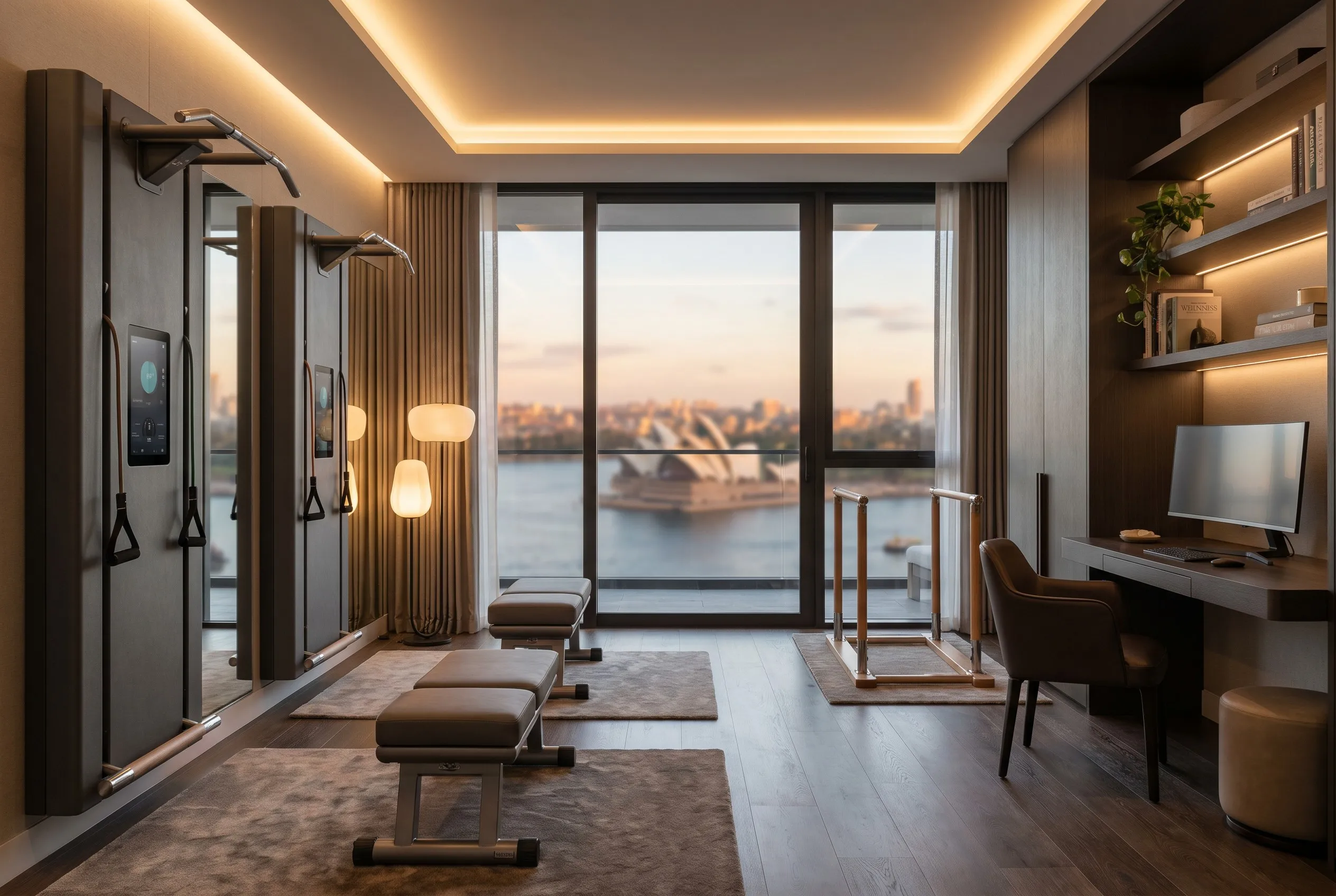
Figure 1: High-end residential fitness suites in 2026 prioritize space optimization, luxury aesthetics, and multi-functional equipment integration.
The Residential Shift: Why “Hybrid” is the 2026 Standard
The “Home Gym Hybrid” isn’t just a workout room; it’s a multi-purpose space designed to blend work, recovery, and high-performance training. In urban centers like Sydney and Melbourne, where square footage is at a premium, developers are moving away from dedicated cardio rooms toward “integrated wellness corners” within primary living or office areas. Data from 2026 residential audits shows that apartments featuring built-in smart home fitness solutions command an 18% price premium over standard units.
For a B2B fitness gear wholesaler, the opportunity lies in providing equipment that performs like commercial-grade machinery but looks like high-end furniture. The 2026 buyer demands gear that complements modern interior design while providing the technical precision required for professional training.
Three Technical Pillars of Residential B2B Sourcing
When sourcing for large-scale residential developments, B2B buyers must prioritize three dimensions that ensure developer ROI and resident satisfaction.
1. Footprint-to-Utility Ratio: Modular Engineering
In 2026, the primary technical metric is “Utility per Square Meter.” Property developers require equipment that offers multiple exercise modalities within a single, compact footprint. Sourcing items like folding abdominal benches and wall-mounted Pilates bar kits allows for professional-grade training without permanently sacrificing living space. YK Fitness specializes in modular, high-density rigs that fold into a 30cm depth—perfect for high-end apartment integration.
2. Material Harmony: TPU and Carbon Finishes
The aesthetic of a home gym must match the aesthetic of the home. In 2026, we see a move toward “Stealth Fitness.” Sourcing gear with matte carbon finishes and TPU (Thermoplastic Polyurethane) padding in neutral earth tones (e.g., Terracotta, Slate, Sand) ensures the equipment integrates seamlessly with luxury architectural palettes. TPU is particularly favored because it is odorless and hypoallergenic, making it ideal for the confined environments of residential suites.
3. Acoustic Neutrality: The Silent Workout
One of the biggest friction points in multi-family housing is noise. Sourcing vibration-dampening gym flooring and equipment with magnetic or hydraulic resistance ensures that residents can train at 5 AM without disrupting their neighbors. High-density rubber underlays with integrated TPU noise-reduction layers are now a standard requirement for 2026 residential fitness specs.
The ROI of Wellness for Developers
The B2B business case for integrated residential fitness is based on **Asset Appreciation and Faster Absorption.** Property projects that include YK Fitness’s “Wellness-Ready” kits—customized with the developer’s branding—report 30% faster pre-sale rates. Residents see the inclusion of high-quality wholesale resistance tools as a turnkey lifestyle solution, reducing their need for external gym memberships and increasing the property’s overall “stickiness.”
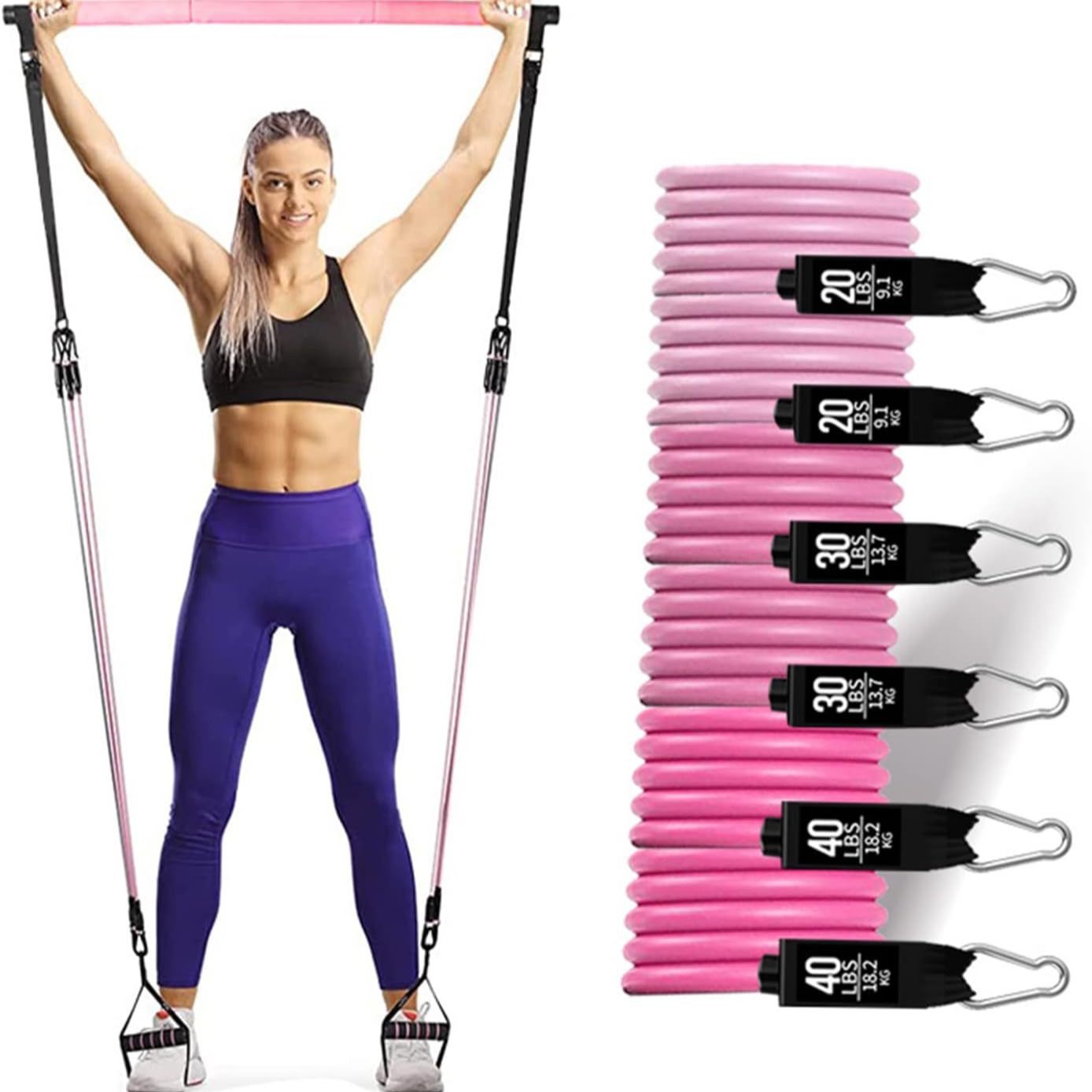
Figure 2: Modular tools like our Pilates Bar Kit are the perfect B2B amenity for modern residential projects, offering high value with zero floor space sacrifice.
Strategies for Residential OEM Customization
In the luxury market, “generic” is a liability. Wholesalers can win residential contracts by offering OEM customization that aligns with the property’s brand identity. At YK Fitness, our 2026 manufacturing pipeline supports:
- Custom Color Anodization: Matching equipment frames to the property’s window mullions or joinery.
- Laser-Engraved Logos: Embedding the project’s name directly into the equipment for an exclusive “Limited Edition” feel.
- Landed Cost Optimization: Utilizing **Flat-Pack Logistics** to ship 200+ unit gym kits in a single consolidated container, drastically reducing the carbon footprint and landed cost for the developer.
Conclusion: Designing the Future of Home Wellness
The residential fitness market of 2026 is no longer a DIY hobby; it is a professionalized sector of the real estate economy. For B2B buyers and wholesalers, the path to market leadership lies in providing equipment that combines commercial durability with architectural elegance and logistical efficiency.
YK Fitness remains the trusted partner for the world’s leading property developers, delivering the modular excellence needed to turn living spaces into high-performance wellness hubs.
Developing a Residential Project for 2026?
Explore our Residential B2B Range or Contact our Architectural Sourcing Team to learn about modular OEM solutions and project-based logistics strategies.