As we navigate the middle of 2026, the global B2B fitness equipment market is experiencing a profound shift in how “quality” is defined and audited. Historically, procurement was centered on structural weight and mechanical simplicity. However, the modern fitness consumer—and by extension, the gym franchise owners and institutional buyers—are now hyper-focused on the chemistry and performance of the materials used in manufacturing. In 2026, Material Science Innovation has become the primary differentiator for high-margin wholesale brands. In this strategic sourcing guide, we analyze the cutting-edge material trends of 2026 and explore how B2B buyers can leverage these innovations to build more resilient, compliant, and profitable inventories.
The Shift Toward Performance Polymers: Why Traditional Plastics are Obsolete
In the 2026 commercial landscape, traditional PVC (Polyvinyl Chloride) and low-grade recycled rubbers have been almost entirely phased out of premium facilities. These legacy materials are prone to toxic phthalate leaching, unpleasant chemical odors, and rapid structural degradation under high-UV or high-sweat environments. Today, the focus is on Performance Polymers like TPE (Thermoplastic Elastomer) and TPU (Thermoplastic Polyurethane). These materials offer the tactile comfort of rubber with the chemical stability and recyclability of modern plastics, meeting the strict ESG (Environmental, Social, and Governance) requirements of 2026 institutional tenders.
Key Material Innovations Shaping 2026 B2B Procurement
1. High-Tensile Structural Steel and Advanced Powder Coating
For strength equipment, the “Steel Grade” is the foundation of facility safety. In 2026, wholesalers are moving away from standard 1.5mm tubing toward 2.0mm to 3.0mm high-tensile structural steel. Sourcing gear like the Pradai series ensures that frames can handle the repetitive load cycles of 24/7 commercial clubs. Furthermore, advanced electrostatic powder coating—utilizing zinc-rich primers—prevents subsurface corrosion in humid coastal regions, a critical factor for B2B buyers in markets like Australia and Southeast Asia.
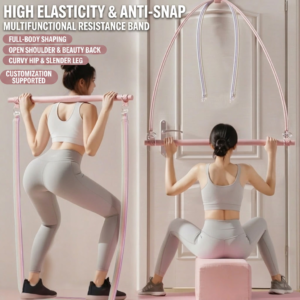
Sourcing Highlight: Pradai Folding Ab Bench – Constructed with 2.0mm+ High-Tensile Structural Steel
2. Multi-Layer Dipped Natural Latex for Snap-Resistance
For high-resistance band systems, the material of choice in 2026 is Multi-Layer Dipped Natural Malaysian Latex. Traditional extruded tubes are prone to microscopic surface imperfections that lead to sudden snapping—a massive liability for gym operators. Professional-grade kits, such as our 180lbs Pilates Bar set, utilize a proprietary dipping process that builds concentric layers over 11-15 cycles. This ensures that if a microscopic tear occurs, it is contained within a single layer, providing a critical safety margin for commercial core and mobility training.
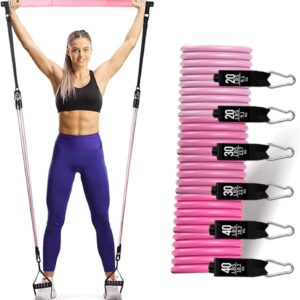
Material Focus: Professional Pilates Bar Kit – Utilizing Multi-Layer Dipped Natural Latex
3. Anti-Microbial TPU Tactile Surfaces
In 2026, gym hygiene is no longer just a cleaning protocol; it is an engineering requirement. Sourcing equipment with High-Density Anti-Microbial TPU Upholstery is the standard for boutique studios. TPU is non-porous and resists sweat penetration, preventing the “inner-foam rot” that plagues traditional vinyl-padded benches. For wholesalers, providing TPU-equipped gear significantly reduces warranty claims related to upholstery tearing and odor retention.
Strategic B2B Advantages of Material-Led Sourcing
Transitioning your wholesale catalog to prioritize material science offers three major commercial moats:
- Seamless Regulatory Compliance: By sourcing materials certified by SGS for REACH and RoHS compliance, wholesalers bypass the risk of port-of-entry seizures, a growing challenge in 2026 as Australia and the EU tighten chemical safety audits.
- Higher Wholesale Retention: Equipment built with superior materials has a significantly lower Total Cost of Ownership (TCO). When gym owners see their gear outlasting competitors’ unbranded alternatives, they lock into your supply chain for all future expansions.
- Access to ESG-Driven Contracts: Large-scale corporate wellness programs and government tenders now require proof of “Circular Economy” compatibility. Sourcing recyclable TPE and high-durability steel gear is a mandatory baseline for winning these high-value bids.
Choosing a 2026 Material Science OEM Partner
When selecting a manufacturing partner for your 2026 catalog, verify these technical markers:
- Technical Transparency: Does the factory provide raw material mill certificates and SGS chemical purity reports for every production batch?
- Iterative Design Capability: Can the factory help you engineer custom tension profiles or specify high-density foam variants for your private label line?
- Logistics Engineering: Ensure the factory utilizes “Flat-Pack” designs to maximize container cubic yield, offsetting the rising cost of international freight.
Conclusion: Building the Future on a Scientific Foundation
The 2026 fitness market rewards technical precision and material integrity. Wholesalers who anchor their catalogs with gear engineered from high-tensile steel, multi-layer dipped latex, and anti-microbial polymers will lead the industry in both brand authority and profitability. Partnering with a specialized OEM manufacturer like YK Fitness—where material science meets B2B logistics efficiency—is your most strategic move toward owning the modern gym floor.
Want to upgrade your inventory with technically verified fitness gear? Contact YK Fitness today to discuss our 2026 material roadmap and request custom OEM samples.