In the rapidly evolving world of fitness, resistance bands have transitioned from simple physical therapy tools to core components of professional strength training. For wholesalers, gym owners, and fitness brand managers, understanding the science of high-tension resistance bands is crucial for making informed sourcing decisions. This guide explores the mechanical properties, material science, and strategic advantages of high-tension bands in a professional setting.
How Do High-Tension Resistance Bands Work Mechanically?
Unlike free weights, which provide constant resistance through gravity, resistance bands provide variable linear resistance. As the band stretches, the tension increases. This mechanical property aligns perfectly with the human strength curve—where muscles are typically stronger at the end-range of a movement (the ‘lockout’ phase).
For professional athletes, high-tension bands (providing upwards of 150-200 lbs of resistance) are used to overcome strength plateaus by providing maximum load where the body is most capable of handling it. This is why high-tension sets, like our 180lbs Adjustable Resistance Band Set, are becoming a staple in home gyms and professional studios alike.
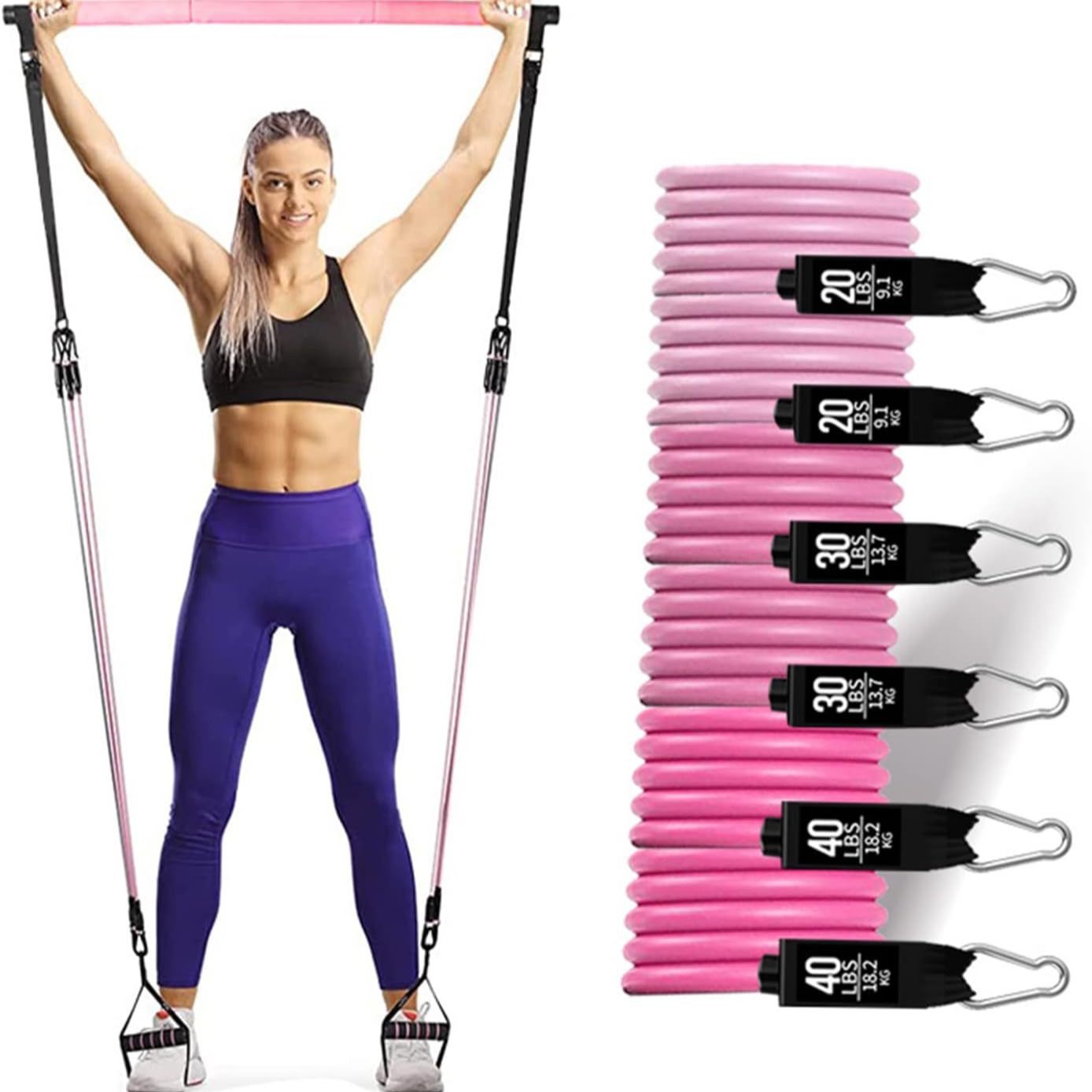
Figure 1: High-Tension Professional Resistance Band Kit for Strength Training.
What is the Material Science Behind Quality Resistance Bands?
When sourcing wholesale resistance bands, the primary debate is between Natural Latex and TPE (Thermoplastic Elastomer). For high-tension applications, Natural Latex is the industry gold standard for several scientific reasons:
- Elastic Memory: Latex maintains its original shape and tension levels even after thousands of cycles of extension.
- Tensile Strength: Natural latex has a higher ‘break point’ compared to TPE, making it safer for high-intensity training.
- Smooth Resistance Curve: The transition of tension in latex is more fluid, reducing the risk of joint jarring during explosive movements.
At YK Fitness, our Foot Pedal Resistance Pullers utilize high-grade reinforced latex to ensure consistent performance for B2B clients who demand durability for their end-users.
Why Should Wholesalers Focus on High-Tension Kits?
Market trends show a significant shift toward OEM fitness equipment that offers ‘all-in-one’ functionality. High-tension bands are no longer just ‘add-ons’; they are the primary resistance source for full-body workouts. Wholesalers can achieve higher margins by offering kits that include bars, handles, and door anchors, targeting the ‘Professional Home Gym’ demographic.
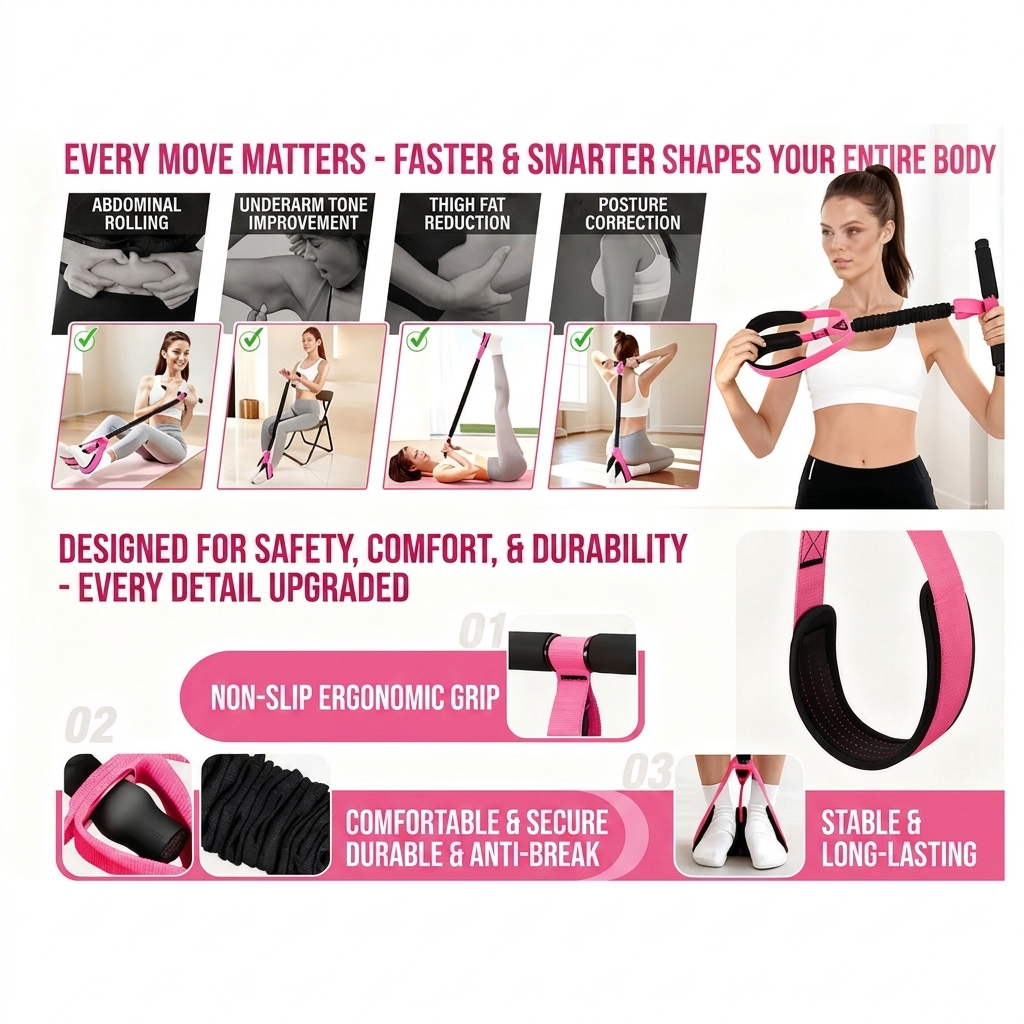
The Impact of Variable Resistance on Muscle Hypertrophy
The science of ‘Time Under Tension’ (TUT) suggests that muscle growth is maximized when muscles are challenged throughout the entire range of motion. High-tension bands force the stabilizer muscles to engage more than traditional dumbbells, leading to improved functional strength and core stability. This makes tools like the Multi-Function Pedal Puller highly effective for core and lower body isolation.
How to Verify Quality in High-Tension Sourcing?
For B2B buyers, verifying quality involves looking for:
1. Snap-Safe Technology: Reinforced internal cords to prevent injury if a band snaps.
2. Load Testing Reports: Documentation showing the band’s resistance at 2x and 3x stretch.
3. Anti-Snap Sleeves: Protective nylon covers that prevent UV damage and over-stretching.
Conclusion: Building a Premium Fitness Brand with High-Tension Gear
The science is clear: high-tension resistance bands offer a versatile, scientifically sound, and cost-effective alternative to heavy iron weights. By focusing on material quality (Natural Latex) and comprehensive kit designs, fitness brands can position themselves at the forefront of the home fitness revolution.
FAQ: Common Questions About High-Tension Resistance Bands
1. Can resistance bands really replace heavy dumbbells?
Yes, especially high-tension sets like our 180lbs kit. While the feel is different due to variable resistance, the total load on the muscle can be equivalent to or even exceed that of traditional weights, with the added benefit of reduced joint stress.
2. How long do professional-grade resistance bands last?
In a commercial or frequent home use setting, high-quality natural latex bands typically last 1-2 years before showing signs of fatigue. Proper storage (away from direct sunlight) extends their lifespan significantly.
3. What is the MOQ for OEM resistance band customization?
At YK Fitness, we support fitness brands with an MOQ of 50 sets for standard wholesale and custom branding options, allowing for agile inventory management.