Navigating Global Fitness Logistics: The Challenge for Australian Importers
As we move into 2026, the global fitness logistics landscape remains complex. For Australian wholesalers, gym owners, and retailers, the most critical metric isn’t the unit price at the factory gate—it’s the landed cost in Australia. With fluctuating freight rates and evolving port regulations, managing China to Australia shipping requires a strategic approach to maintain healthy margins.
In this guide, we share five proven strategies to help B2B fitness equipment buyers minimize their landed costs and ensure a reliable supply chain. Whether you are importing gym gear for a new studio or restocking a national retail chain, these tips will save you time and money.
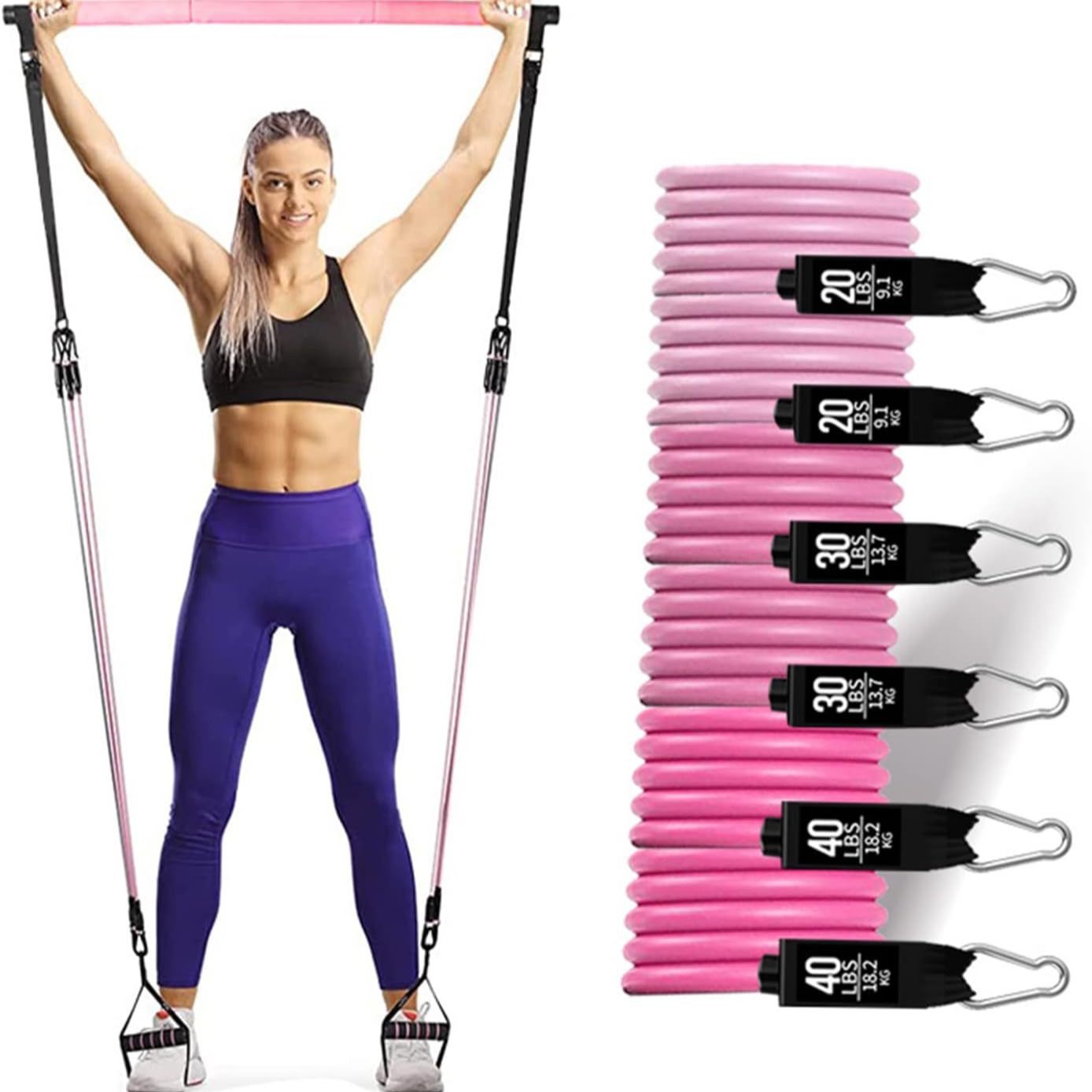
Figure 1: Efficient packaging design can significantly reduce volume and shipping costs for portable fitness tools.
1. Master Your Incoterms: FOB vs. DDP
Understanding Incoterms is the first step in managing fitness equipment logistics. For most Australian buyers, we recommend FOB (Free On Board) or DDP (Delivered Duty Paid) depending on your experience level. FOB gives you more control over the local Australian shipping agent, while DDP is a “stress-free” option where the manufacturer handles everything until the goods arrive at your warehouse.
By working with an experienced fitness equipment manufacturer like YK Fitness, you can get transparent quotes for both options, allowing you to choose the path that offers the lowest landed cost for Australia.
2. Optimize Container Volume (CBM Management)
Shipping air is expensive. When sourcing fitness equipment from China, focus on the Cubic Meter (CBM) count. Portable equipment like our Multi-Function Pedal Pullers and resistance bands are highly stackable, making them ideal for container optimization.
We work with our B2B partners to “nest” products, using smaller items to fill the gaps between larger ones. This maximizes every inch of your 20ft or 40ft container, effectively lowering the shipping cost per unit.
3. Consolidate Orders to Minimize Fees
If you are a smaller wholesaler, avoid shipping multiple LCL (Less than Container Load) orders. LCL often comes with high “port fees” in Australia that can eat into your profits. Instead, consolidate your B2B fitness sourcing into larger, less frequent FCL (Full Container Load) shipments.
At YK Fitness, we can hold your wholesale fitness gear in our warehouse for a short period while you finalize other parts of your order, allowing you to ship one optimized container to Australia.
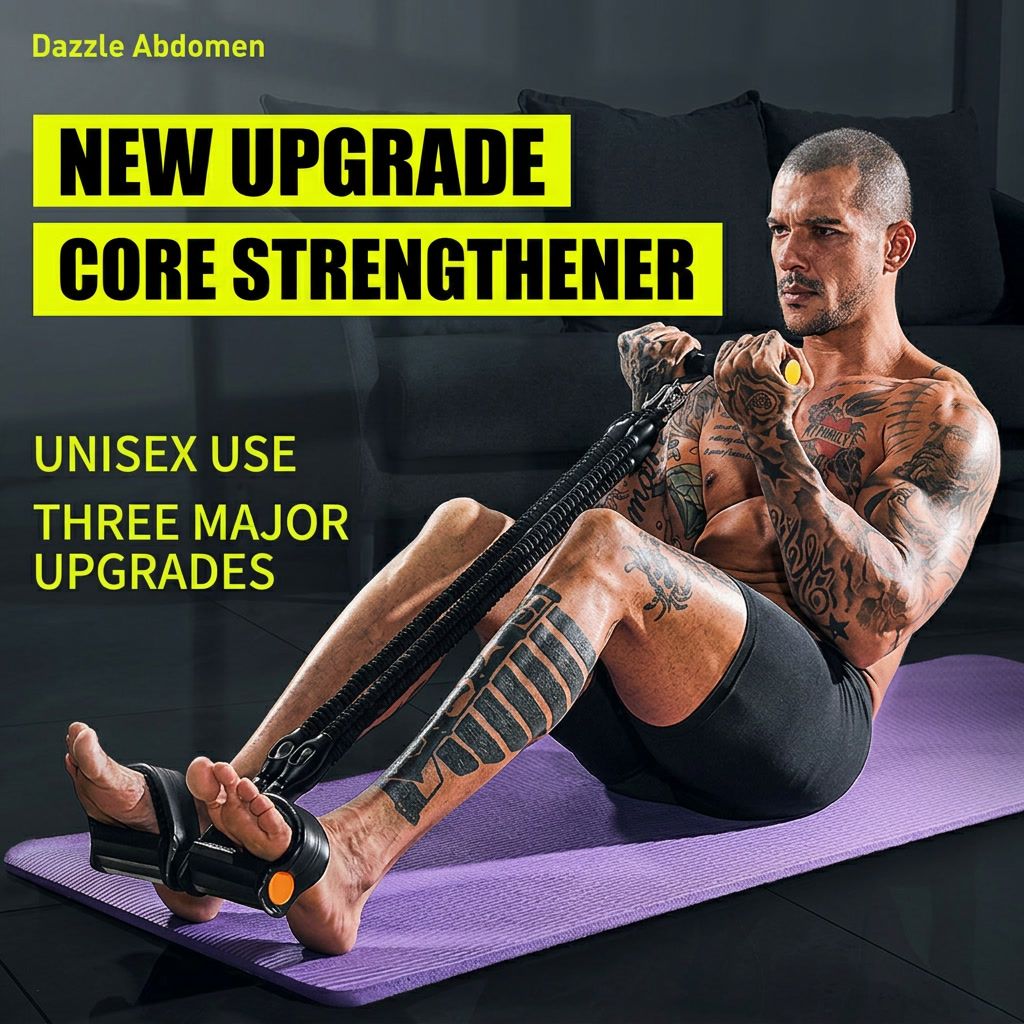
Figure 2: Compact, stackable products like the Foot Pedal Resistance Puller are the most cost-effective to import.
4. Leverage Free Trade Agreements (ChAFTA)
The China-Australia Free Trade Agreement (ChAFTA) provides significant tariff reductions for many types of fitness equipment. Ensure your manufacturer provides a valid Certificate of Origin (COO). This single document can reduce your import duties from 5% to 0% on many categories of portable gym equipment, directly impacting your ROI on imported fitness gear.
5. Plan for Seasonal Volatility
Australian retailers must plan for the “New Year, New Me” rush and the End of Financial Year (EOFY) sales. Freight rates typically spike before Chinese New Year and Golden Week. By forecasting your wholesale fitness sourcing 3-4 months in advance, you can avoid peak shipping rates and ensure your stock arrives in time for high-demand periods.
Conclusion: A Partnership for Efficient Logistics
Successful importing of gym gear to Australia requires more than just a good product—it requires a partner who understands the nuances of global fitness logistics. At YK Fitness, we don’t just manufacture; we help you navigate the journey from our factory floor to your customer’s door.
Ready to optimize your 2026 supply chain? Talk to our logistics experts today about minimizing your landed costs.
FAQ: Fitness Equipment Logistics & Shipping
How long does shipping take from China to Australia?
Typically, sea freight to Australia takes between 18-25 days to reach major ports like Sydney, Melbourne, or Brisbane. Factor in an additional 7-10 days for customs clearance and local delivery.
What documents do I need for Australian customs?
You will need a Commercial Invoice, Packing List, Bill of Lading, and most importantly, a Certificate of Origin to benefit from ChAFTA tariff rates when importing fitness equipment.
Can you handle DDP shipping to Australia?
Yes. Many of our Australian B2B partners prefer DDP (Delivered Duty Paid) as it simplifies the process, with YK Fitness handling all duties, taxes, and port fees, providing you with a fixed landed cost.