Introduction: Why Material Choice Defines Your Fitness Brand’s ROI
In the global B2B fitness market of 2026, the distinction between a “budget” product and a “professional-grade” tool is determined by one primary factor: material science. For Australian wholesalers, gym studio owners, and OEM brand managers, choosing between Latex and TPE (Thermoplastic Elastomer) is a strategic decision that impacts product lifespan, user safety, and ultimately, your brand’s reputation.
As a leading fitness equipment manufacturer in China, YK Fitness has conducted extensive durability testing on our 2026 product line. This report provides a comprehensive breakdown of the mechanical properties, elastic memory, and environmental resistance of these two dominant materials. Whether you are sourcing wholesale resistance bands or portable pilates bars, this guide will help you optimize your procurement strategy for maximum durability.
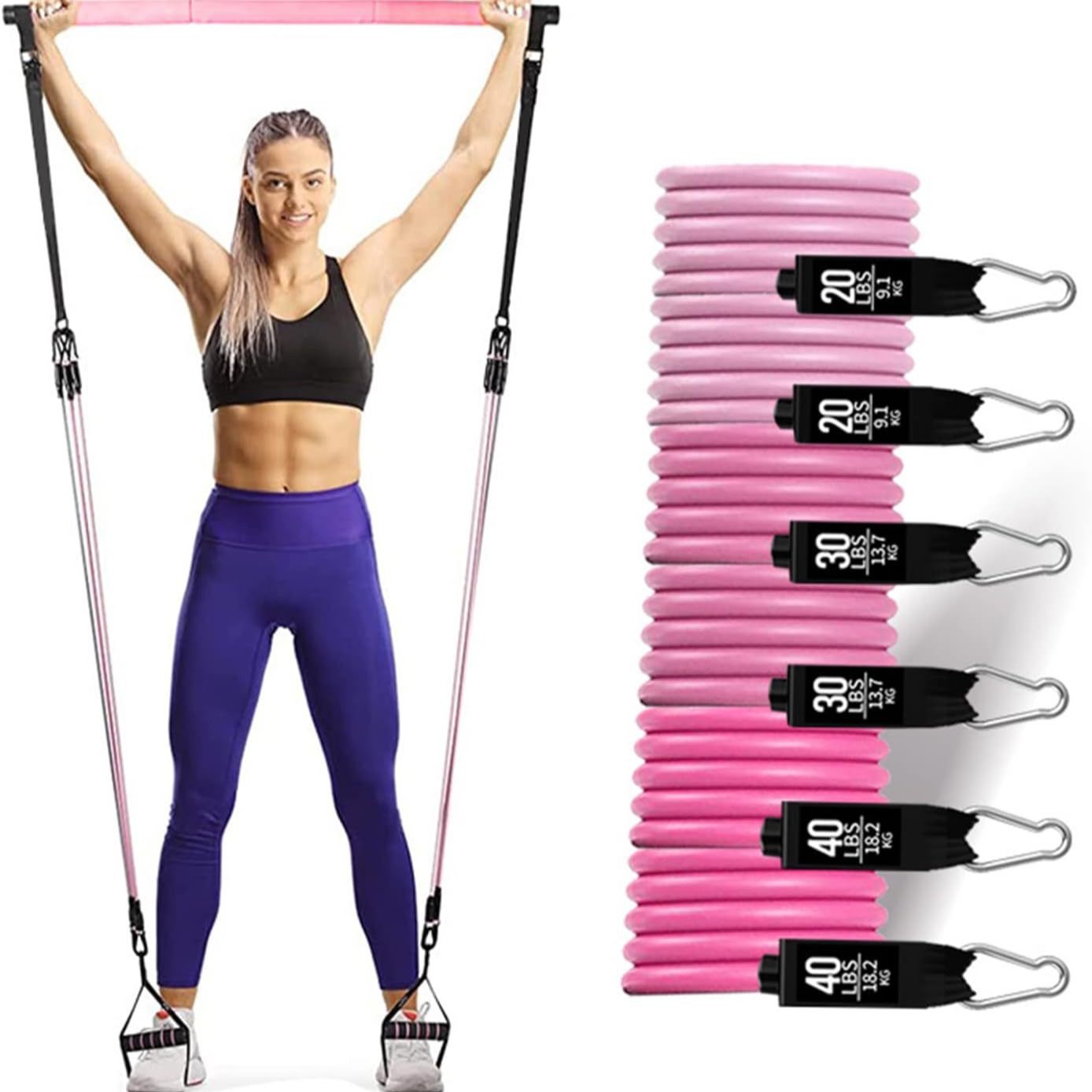
Figure 1: Natural Malaysian Latex remains the gold standard for high-tension resistance training in 2026.
1. Understanding Natural Latex: The Gold Standard for Elasticity
Natural Latex, derived from the sap of Hevea brasiliensis (rubber trees), has been the cornerstone of the resistance training industry for decades. In 2026, despite the rise of synthetic alternatives, 100% Natural Malaysian Latex remains the preferred choice for professional-grade equipment.
Mechanical Advantages of Latex:
- Superior Elastic Memory: Latex possesses an unparalleled ability to return to its original shape after being stretched up to 600% of its length. This prevents the “sagging” effect common in inferior materials.
- Linear Resistance Curve: For users of our Professional Pilates Bar Kit, latex provides a smooth, consistent increase in tension, which is critical for muscle engagement and injury prevention.
- Dipping Process Durability: YK Fitness utilizes a multi-layer dipping process. Unlike extruded tubes, dipped latex tubes are built in thin layers, creating a structure that resists “snap-back” even if a small surface nick occurs.
Target Market:
Latex is ideal for boutique gym studios and high-performance athletic brands where durability and “feel” are paramount. It is the best choice for B2B buyers focused on long-term value rather than just the lowest initial unit cost.
2. The Rise of TPE (Thermoplastic Elastomer): The Eco-Friendly Challenger
TPE is a synthetic material that combines the characteristics of rubber with the processing advantages of plastics. In the wholesale fitness equipment market, TPE has gained significant traction due to its recyclability and cost-efficiency.
Advantages of TPE:
- Hypoallergenic: Unlike natural latex, TPE contains no proteins that cause allergic reactions, making it suitable for 100% of the population.
- Environmental Sustainability: TPE is recyclable and requires less energy to manufacture than traditional vulcanized rubber. For brands focusing on sustainable fitness equipment, this is a major selling point.
- Color Customization: TPE holds pigments better than latex, allowing for vibrant, high-fidelity OEM customization of colors, which is perfect for retail-focused products like our Multi-Function Pedal Puller.
Target Market:
TPE is excellent for mass-market retail, beginners, and physical therapy clinics. It offers a lower landed cost for Australian importers while still providing a functional level of resistance for light to moderate use.
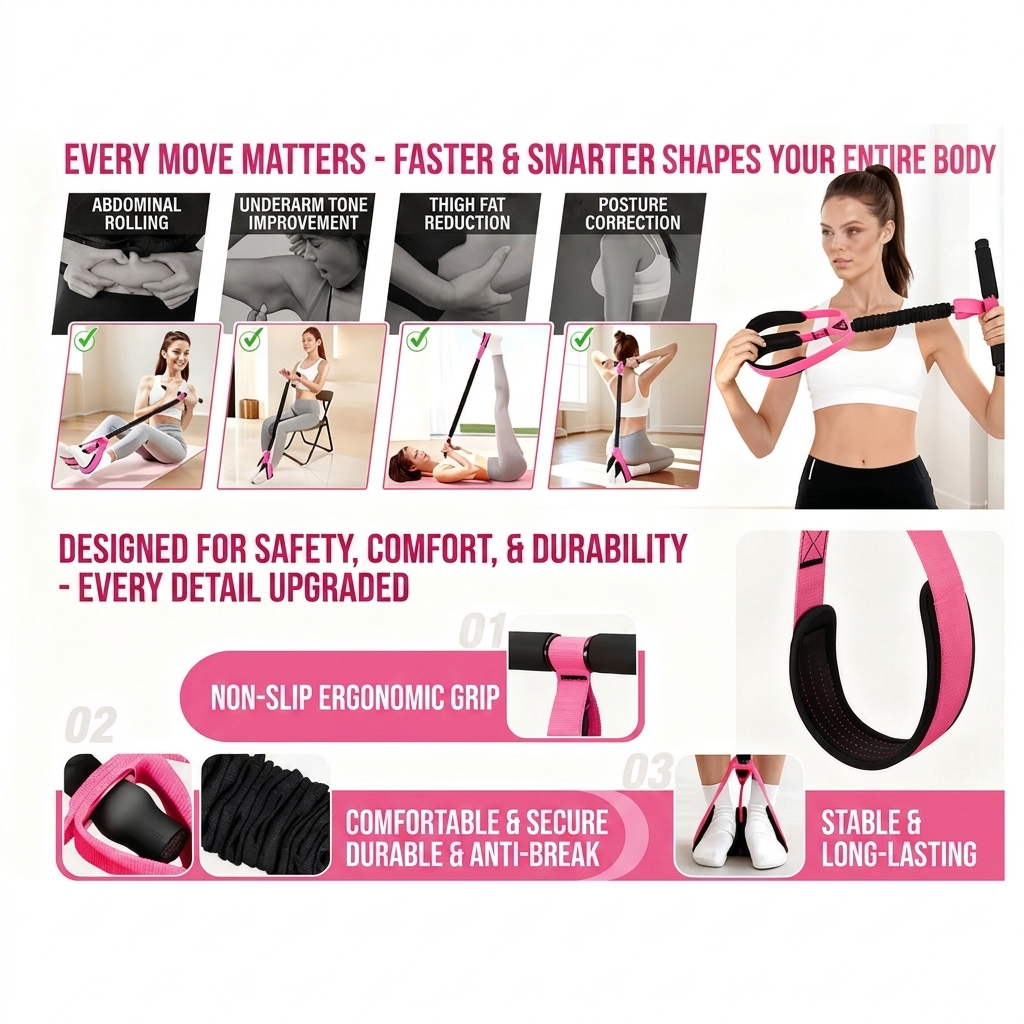
Figure 2: The Multi-Function Pedal Puller — Available in both Latex and TPE configurations based on B2B requirements.
3. The 2026 Durability Test: Latex vs. TPE Results
At our manufacturing facility, we subjected standard 15lb resistance bands made from both materials to a 20,000-cycle stretch test (stretching to 3x length). The results were revealing for fitness gear wholesalers:
| Metric | Natural Latex (Dipped) | TPE (Extruded) |
|---|---|---|
| Tensile Loss after 20k Cycles | < 3% | 8% – 12% |
| Surface Fraying / Micro-cracks | Minimal | Moderate after 15k cycles |
| UV/Heat Resistance | Sensitive (Requires coating) | Excellent |
| “Snap” Risk | Very Low (Layered structure) | Low to Moderate |
Conclusion of the test: Natural Latex is the clear winner for high-intensity gym environments where equipment is used multiple times daily. TPE, however, is a resilient choice for home-use gear, especially in hotter climates like parts of Australia, due to its superior heat stability.
4. Cost-Benefit Analysis for Wholesalers
When sourcing fitness equipment from China, you must balance the unit price with the replacement rate. A cheaper TPE band may have a 20% lower unit cost, but if it needs replacement twice as often as a latex band, your long-term landed cost and customer satisfaction will suffer.
For Australian B2B buyers, we recommend a “Tiered Approach”:
- Premium Tier: 100% Natural Latex for pro-series products like the Foot Pedal Resistance Puller (Pro Version).
- Standard Tier: High-grade TPE or Latex/TPE hybrids for entry-level home gym kits.
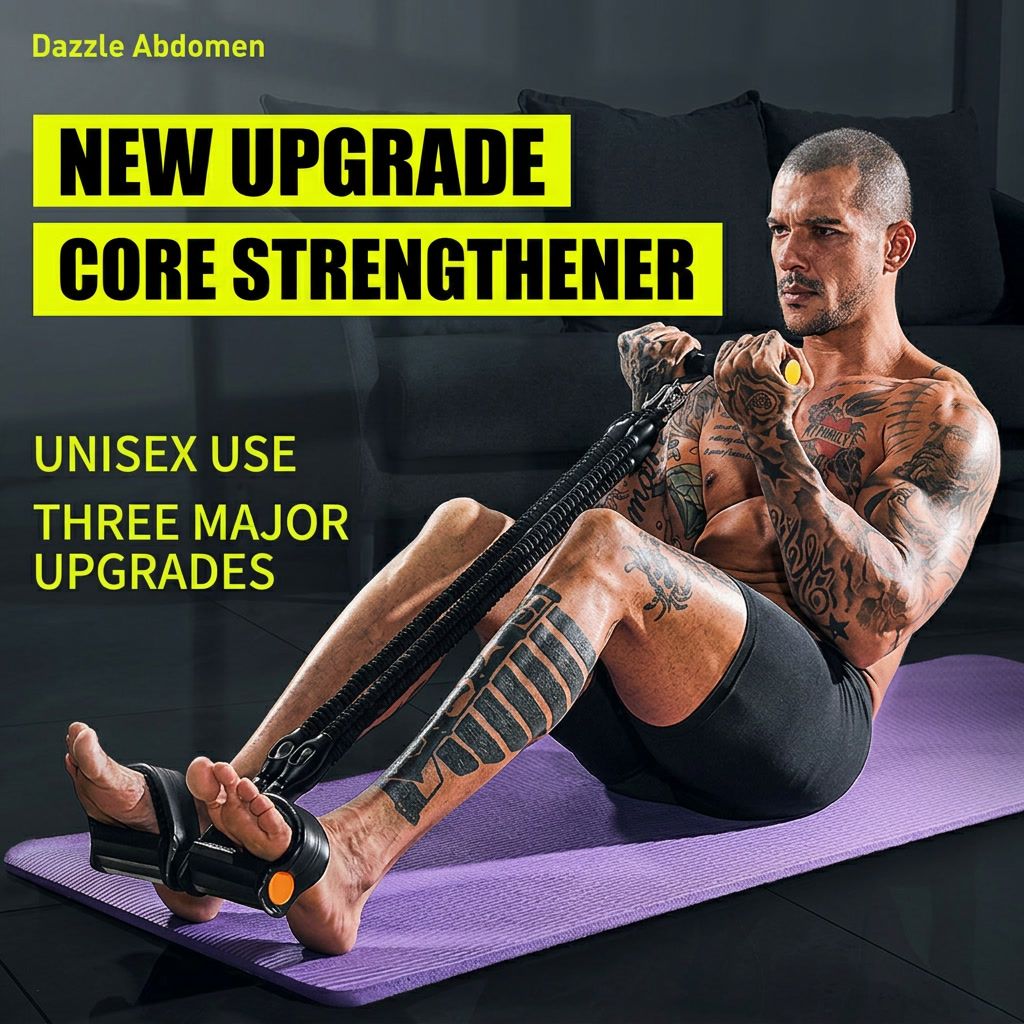
Figure 3: Professional tools like the Foot Pedal Puller benefit most from high-durability latex components.
5. OEM Customization: Calibrating for Your Brand
At YK Fitness, our OEM fitness gear services allow you to specify the material composition of your orders. We can provide:
- Custom Thickness: Increasing the wall thickness of tubes for “heavy-duty” gym lines.
- Internal Safety Cords: Adding nylon safety cores to latex tubes to provide an extra layer of protection for high-risk exercises.
- Eco-Packaging: Sustainable boxing and branded carry bags that align with your material choices.
By working directly with a professional fitness equipment manufacturer, you gain the technical expertise needed to build a brand that lasts. We help you navigate the “Latex vs TPE” debate by providing samples and test data specific to your target market.
Final Summary: Which Material Wins in 2026?
There is no “one size fits all” answer. The winner depends on your business model. If you are building a premium gym brand, invest in Natural Latex for its performance and longevity. If you are targeting the eco-conscious home fitness market or mass retail, TPE is a versatile and cost-effective alternative.
Ready to start your next B2B sourcing project? Contact YK Fitness today to receive a material sample kit and technical consultation.
FAQ: Fitness Equipment Material Science
Is Natural Latex better than TPE for resistance bands?
Latex offers better elasticity and a longer lifespan for high-intensity use. TPE is better for people with latex allergies and is more resistant to heat and UV damage.
What is the MOQ for custom-colored TPE bands?
Our OEM fitness equipment MOQ for custom-colored TPE products typically starts at 500 units, whereas standard colors are available at much lower MOQs (as low as 50-100 units).
Do you provide certificates of material safety?
Yes. All our materials, including both Natural Latex and TPE, are certified by SGS and CE for safety and environmental compliance. We provide full documentation for Australian customs clearance.