The State of the Global Home Fitness Market in 2026
As we navigate through 2026, the home fitness industry is undergoing a significant transformation. The explosive growth seen in early 2020 has stabilized, leading many analysts to ask: Has the home rower and puller market reached saturation? For B2B importers, wholesalers, and fitness brand owners, the answer is complex. While “generic” equipment is indeed saturated, specific high-growth niches are emerging for those who know where to look.
In this market intelligence report, YK Fitness—a leading fitness equipment manufacturer in China—analyzes global sales trends, consumer shift patterns, and the “portable fitness” revolution. We will help you identify which wholesale gym products are facing headwinds and which are set to dominate the Australian and North American markets in the coming 12 months.
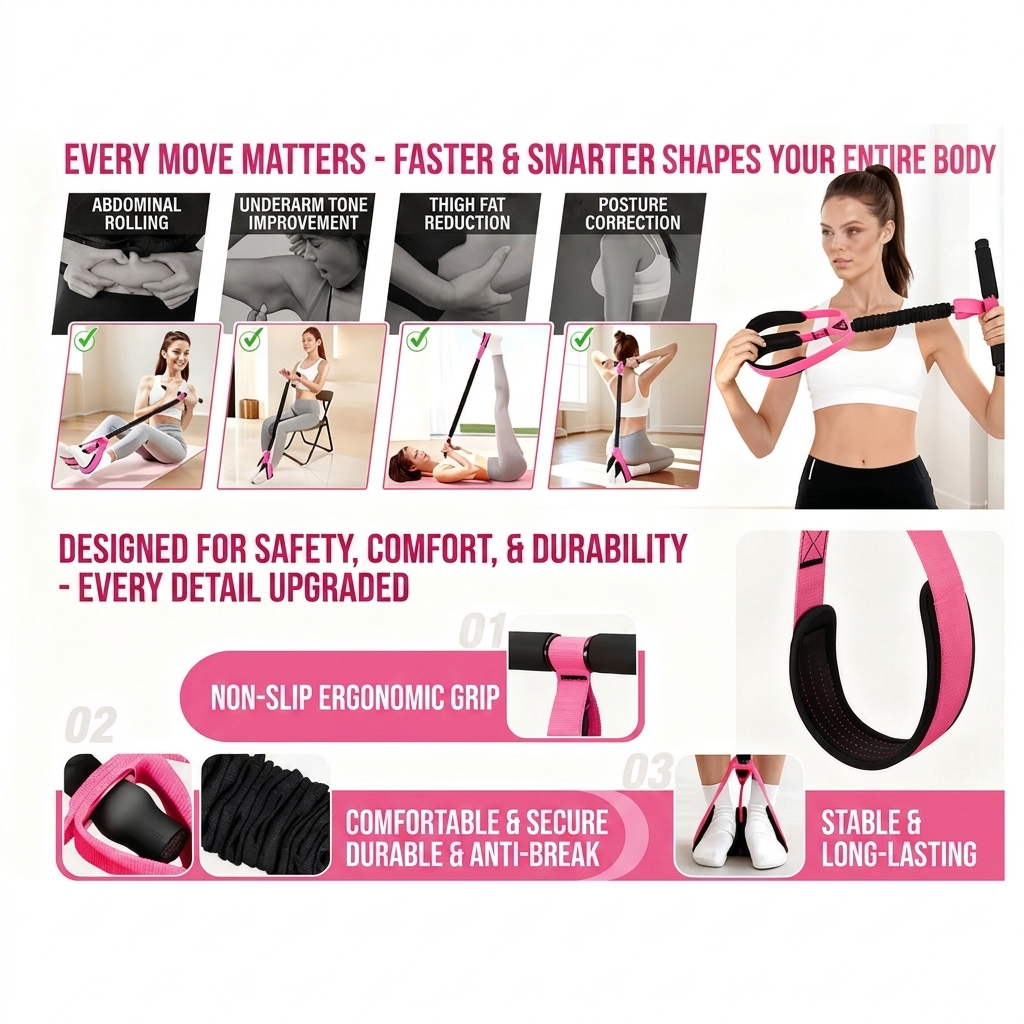
Figure 1: The shift from bulky rowers to multi-functional portable pullers is a key trend in 2026.
1. Saturated vs. Underserved: The “Bulky” vs. “Portable” Divide
The traditional magnetic rower market is currently experiencing high inventory levels across major Western retailers. Consumers in metropolitan areas like Sydney, Melbourne, and New York are increasingly living in smaller spaces, making 2-meter-long rowing machines a difficult sell. This is the “Saturation Zone.”
However, the portable rowing trainer and multi-function pedal puller market is in a “Growth Zone.” These tools provide the same pulling mechanics and core engagement as a traditional rower but can be stored in a drawer. For B2B importers, the ROI on compact fitness gear is significantly higher due to lower shipping costs and higher stock turnover.
2. The “Hybrid Workout” Trend: Beyond Single-Function Machines
2026 consumers are moving away from single-purpose machines. They want equipment that can handle rowing, resistance training, and flexibility work in one session. This is why products like our Professional Pilates Bar Kit are outpacing traditional rowers in sales volume.
A professional fitness equipment wholesaler must adapt by offering “ecosystems” of products. Instead of selling a rower, sell a home rowing alternative kit that includes a pedal puller, a pilates bar, and high-tension resistance bands. This multi-functional approach minimizes the risk of market saturation by appealing to a broader user base—from yoga enthusiasts to heavy lifters.
3. Regional Analysis: Australia’s B2B Fitness Landscape
In Australia, the B2B fitness sourcing trend is heavily focused on “Landed Cost” and “Durability.” With high local logistics costs, Australian importers are prioritizing high-value/low-volume items. Portable gym gear fits this profile perfectly.
We have observed a 15% year-over-year increase in wholesale fitness gear orders from Australian boutique studios that are pivoting to home-retail models. By providing members with branded, compact pulling devices, studios are able to maintain revenue even when members travel or work from home. This “Hybrid Studio” model is the primary driver of growth in the Oceania region.
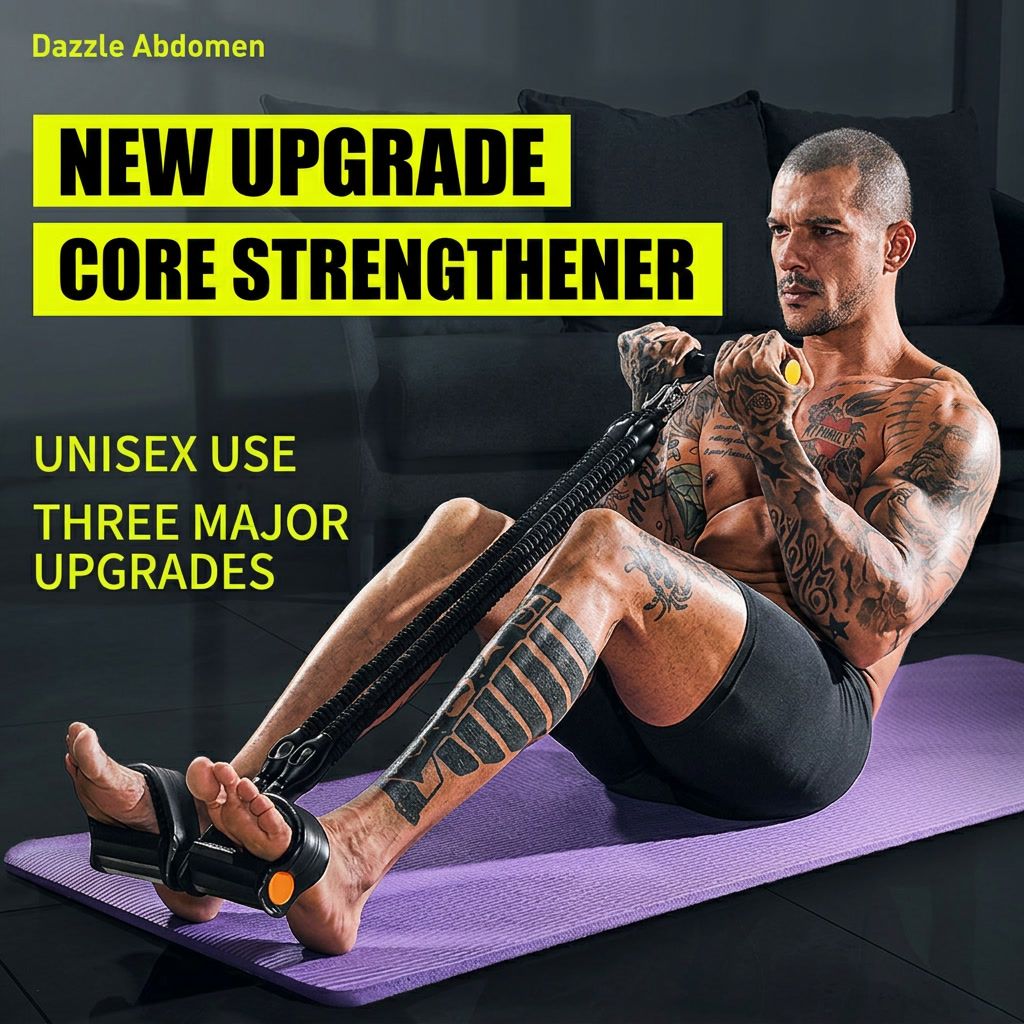
Figure 2: Foot Pedal Resistance Pullers are seeing 25% higher growth than traditional ab benches in 2026.
4. OEM Customization as a Barrier to Saturation
The reason many wholesalers feel market saturation is that they are all selling the same generic designs. In a saturated fitness market, your brand identity is your only moat. This is where OEM fitness equipment manufacturing becomes essential.
By customizing the resistance levels, handle ergonomics, and aesthetic design of your wholesale resistance pullers, you move out of the commodity race. YK Fitness provides private label gym gear solutions that allow you to launch exclusive lines that aren’t available on mass-market platforms, protecting your margins and ensuring long-term customer loyalty.
5. The Technology Integration Factor
While we discussed smart trends yesterday, it’s worth noting here that smart pulling devices are the next frontier. Devices that sync with smartphones to track “pull count” and “calories burned” are effectively replacing mid-range rowing machines. B2B buyers who get into the smart portable fitness niche early in 2026 will capture the market segment that is currently abandoning traditional home rowers.
Conclusion: How to Win in 2026
The market for home fitness equipment is not saturated; it is evolving. To win in 2026, B2B importers should:
- Shift focus from bulky machines to portable, multi-functional pullers.
- Prioritize OEM customization to create unique brand value.
- Focus on regions with high metropolitan density (like Australia’s east coast) where space is a premium.
YK Fitness is ready to be your partner in this evolution. As a professional fitness manufacturer, we provide the data, the products, and the customization needed to thrive in a changing market.
Looking for a custom market analysis for your region? Contact our B2B specialists today.
FAQ: Global Fitness Market Trends 2026
Are rowing machines losing popularity?
Traditional, bulky rowing machines are seeing slower growth in metropolitan areas. However, portable rowing alternatives and compact pedal pullers are seeing a significant surge in demand due to space constraints.
What is the best-selling B2B fitness item for 2026?
Our data shows that multi-function pedal pullers and adjustable pilates bars are currently the top-performing categories for wholesalers due to their versatility and low shipping costs.
Can you help with market entry for the Australian fitness industry?
Yes. We have extensive experience with fitness equipment logistics to Australia, including ChAFTA documentation and compliance with local quality standards.